
take from the table, bring to the table
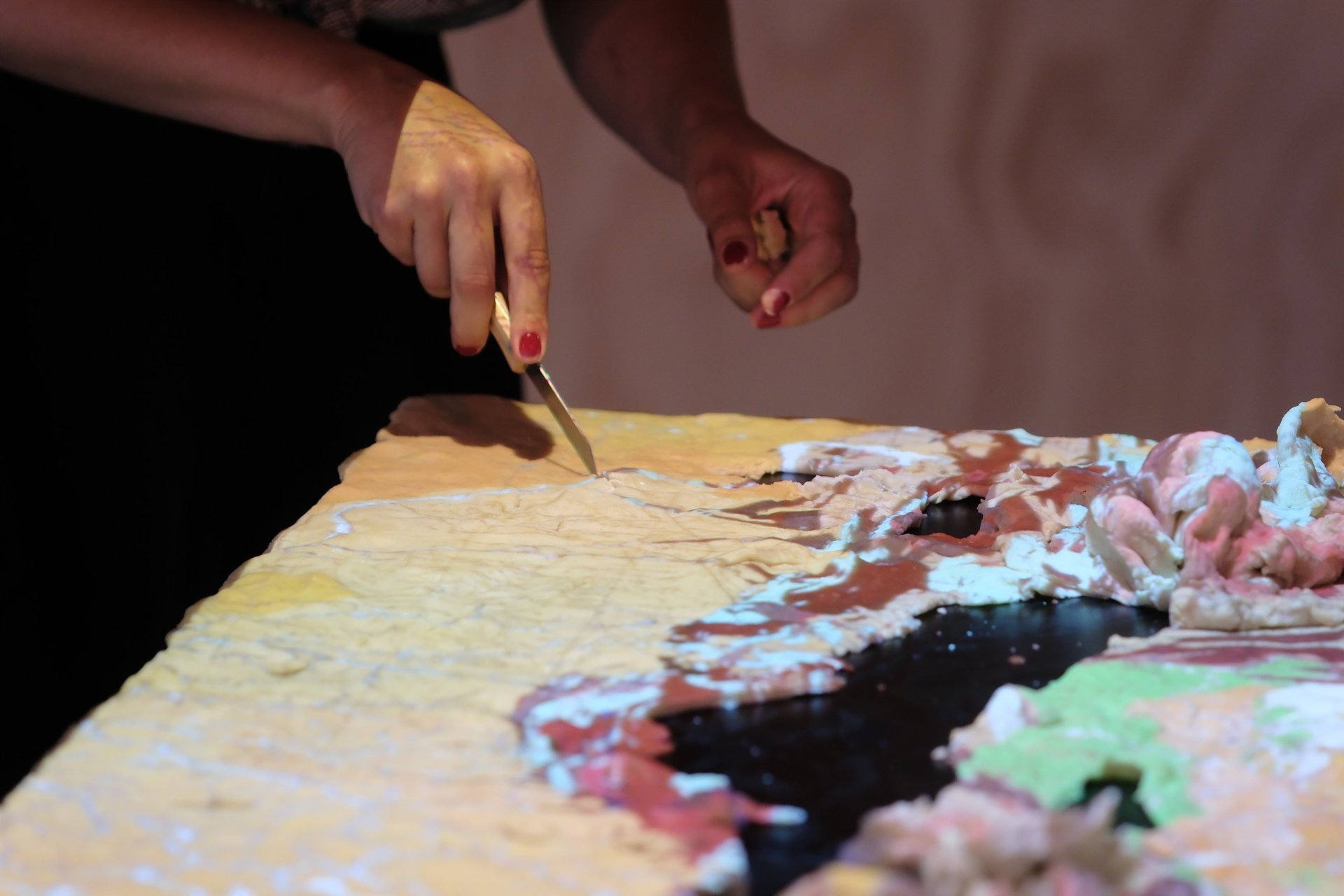
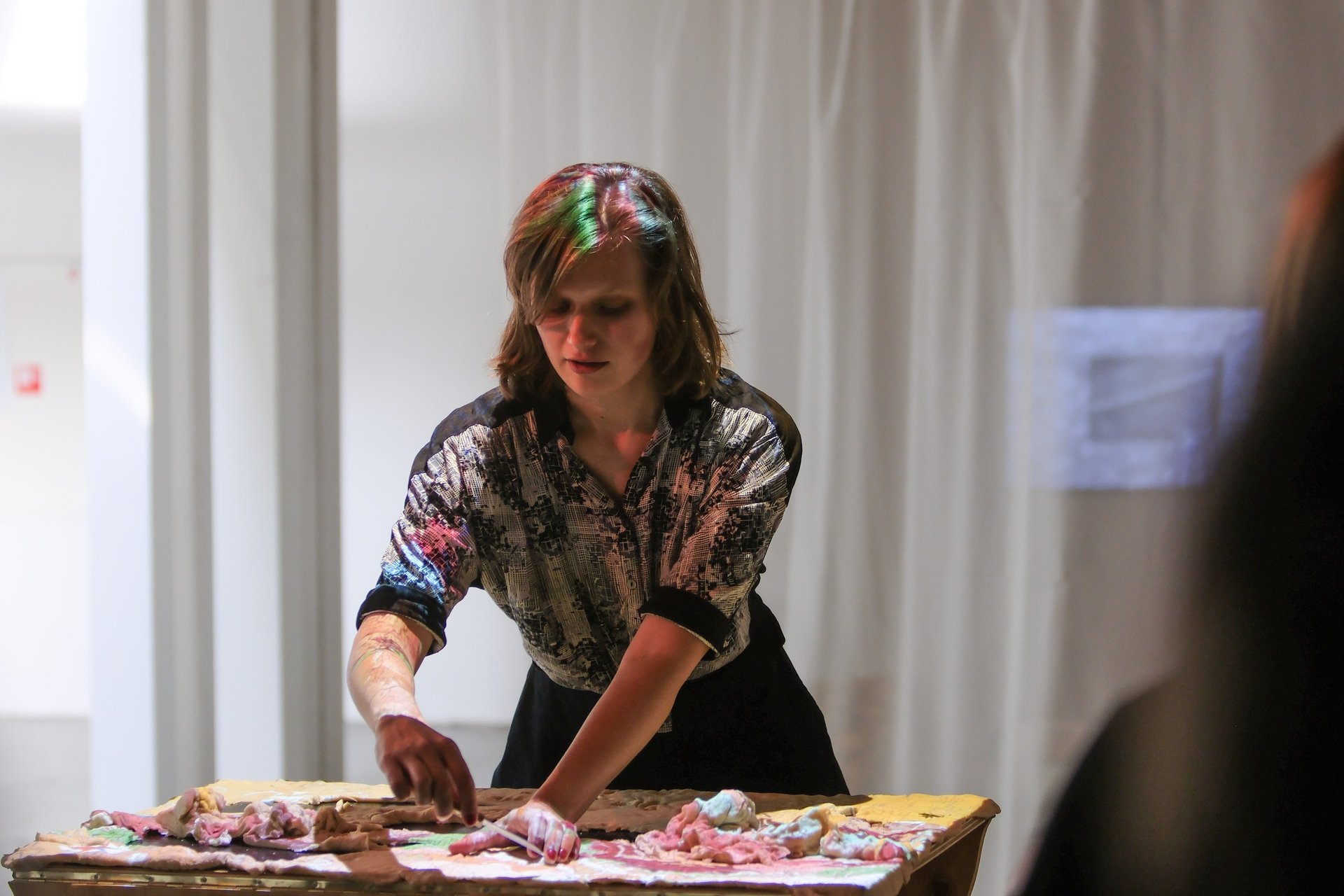
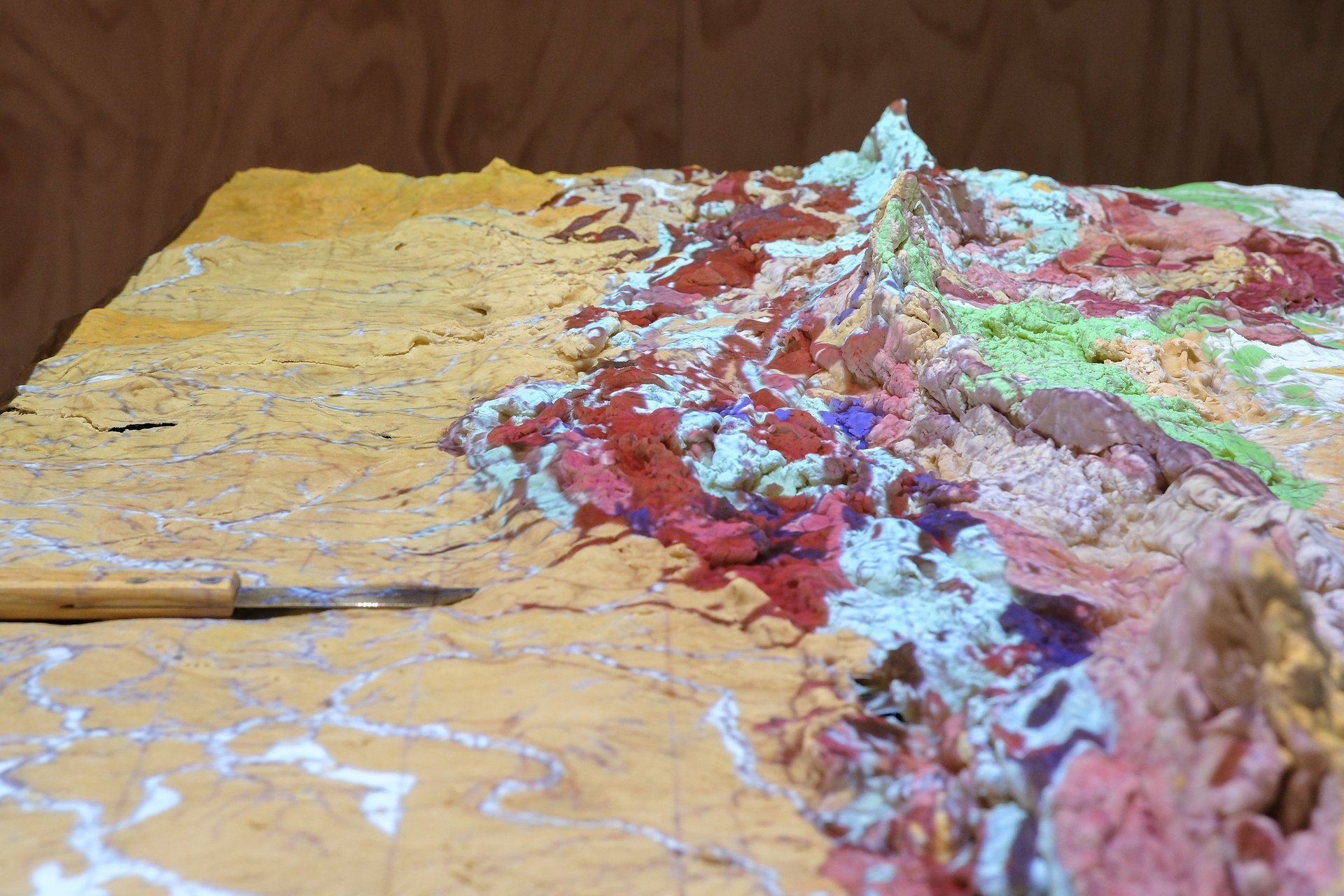
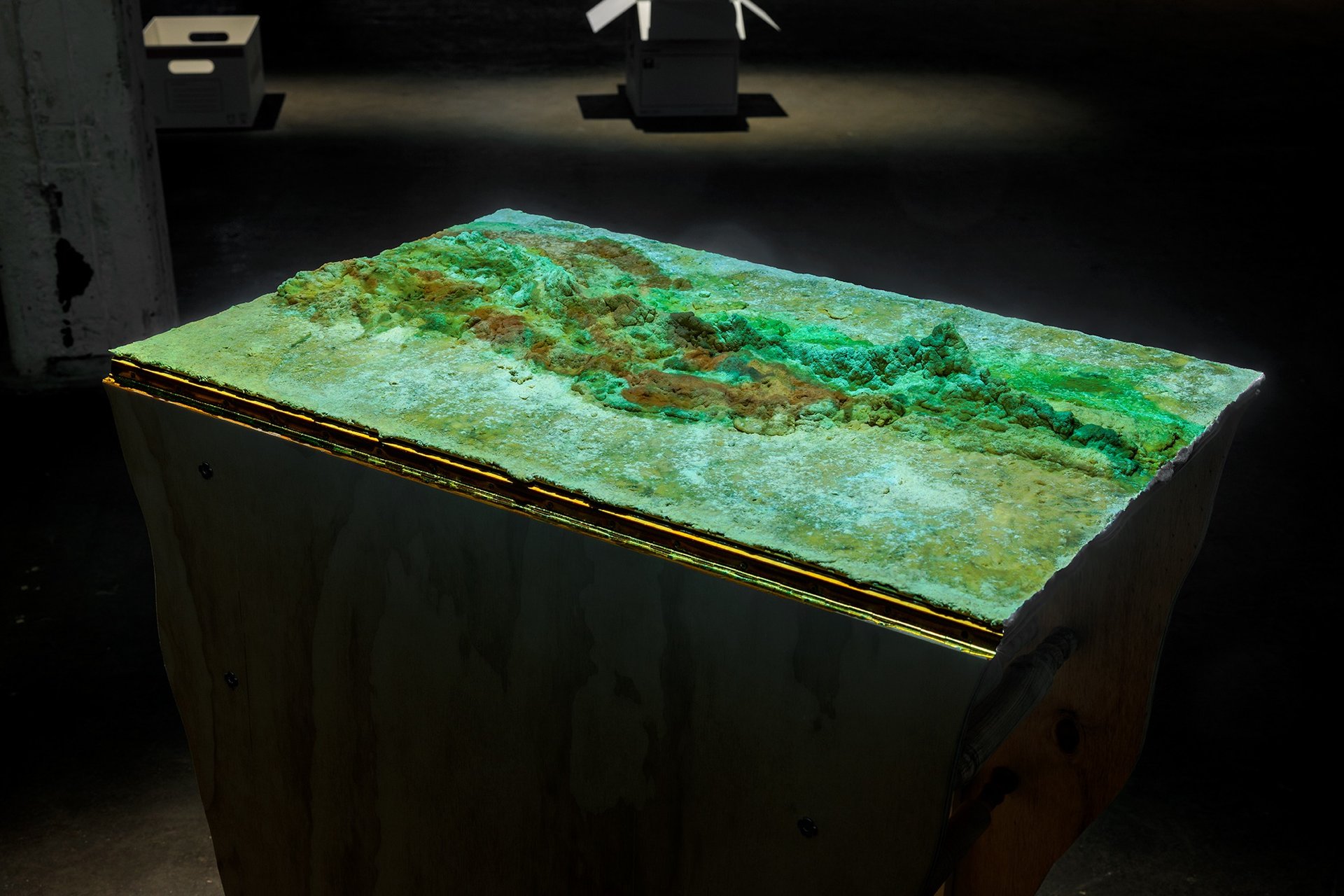
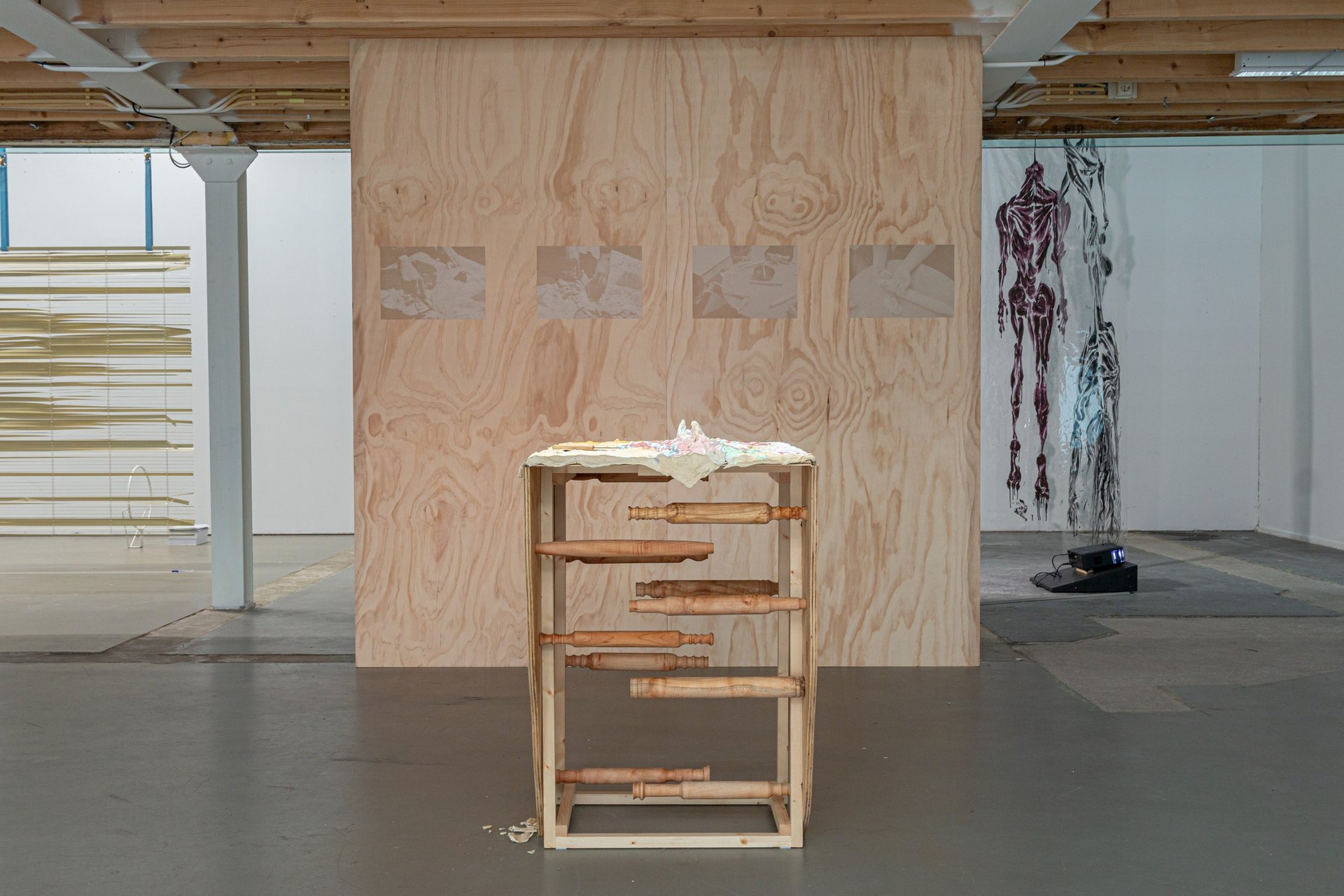
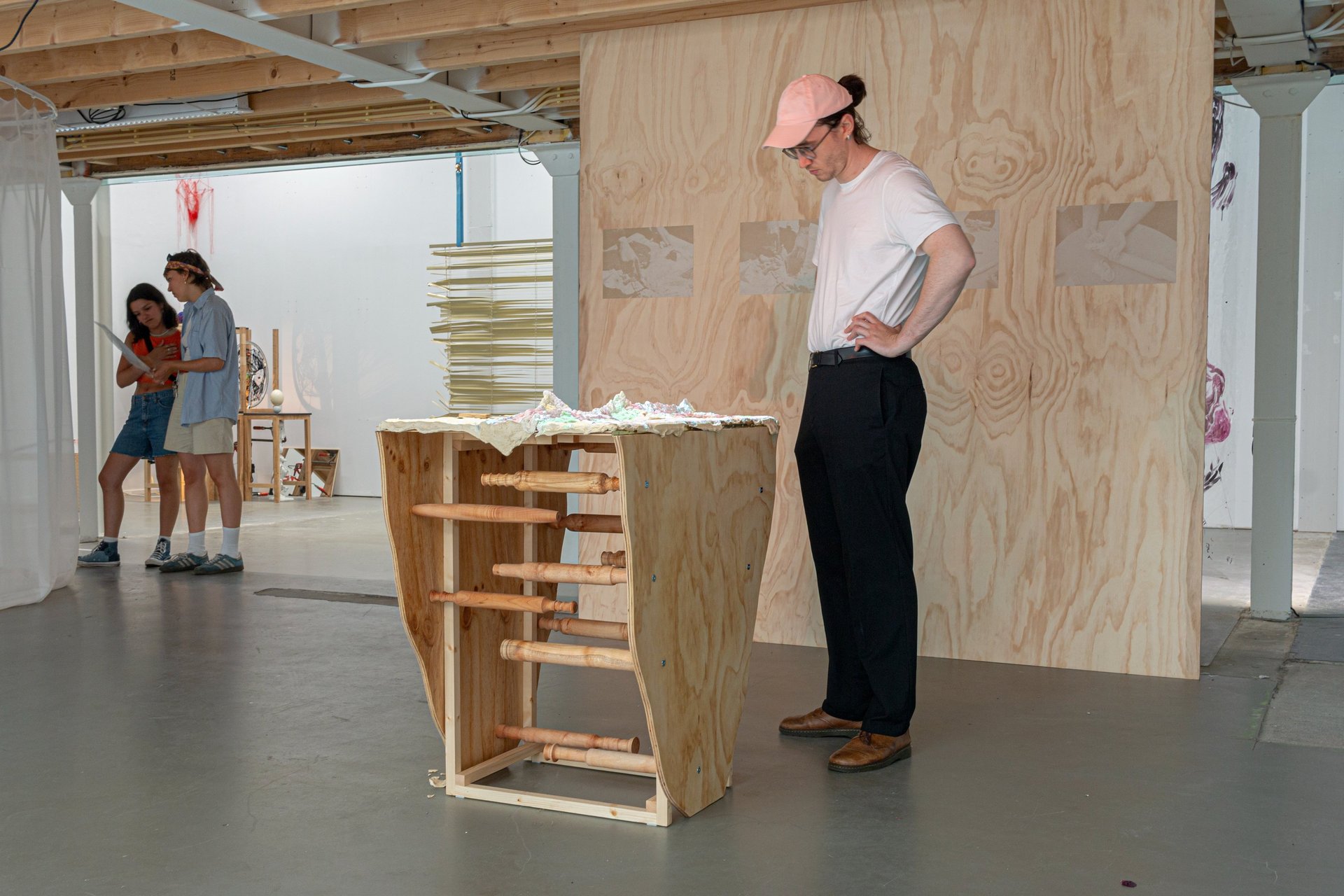
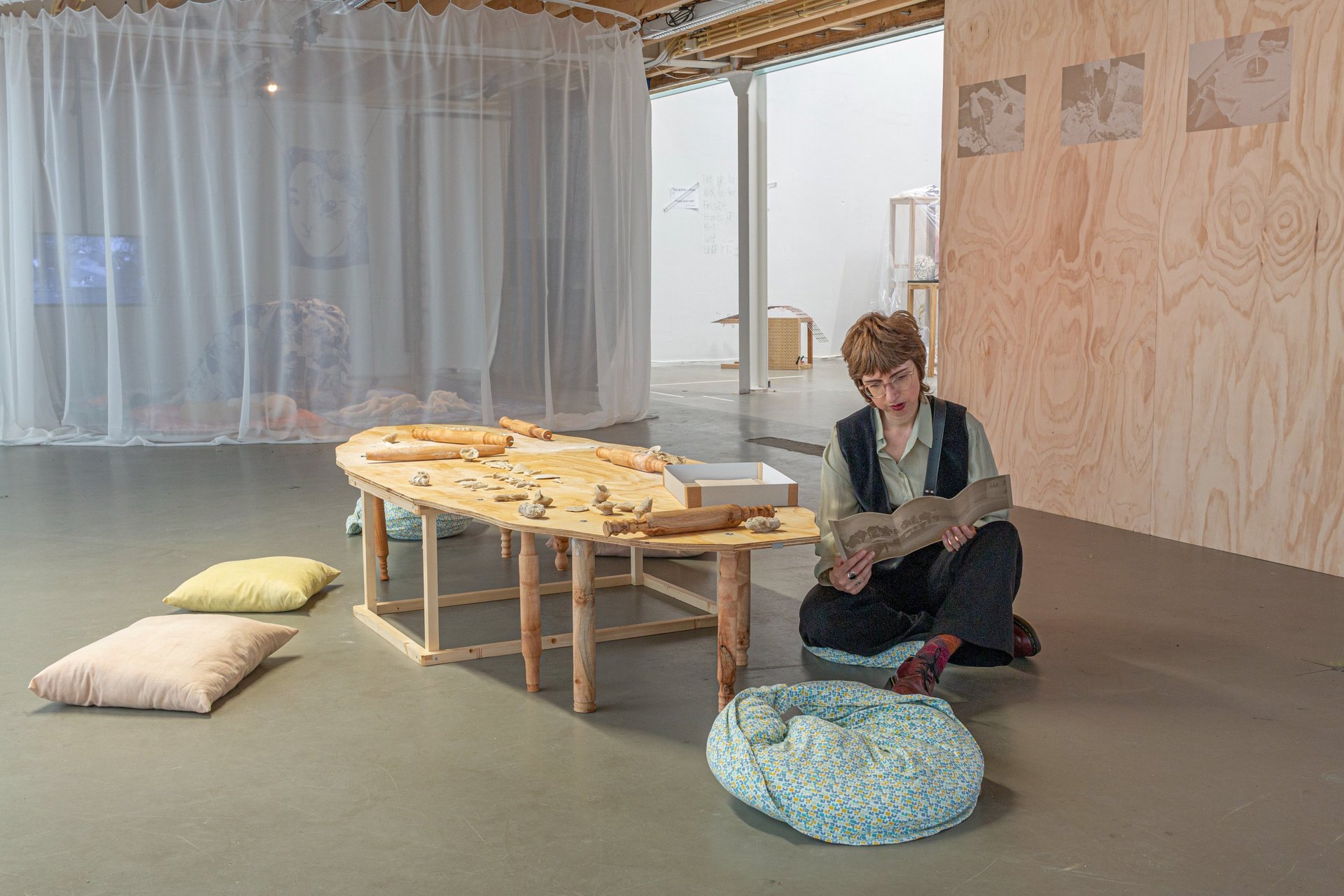
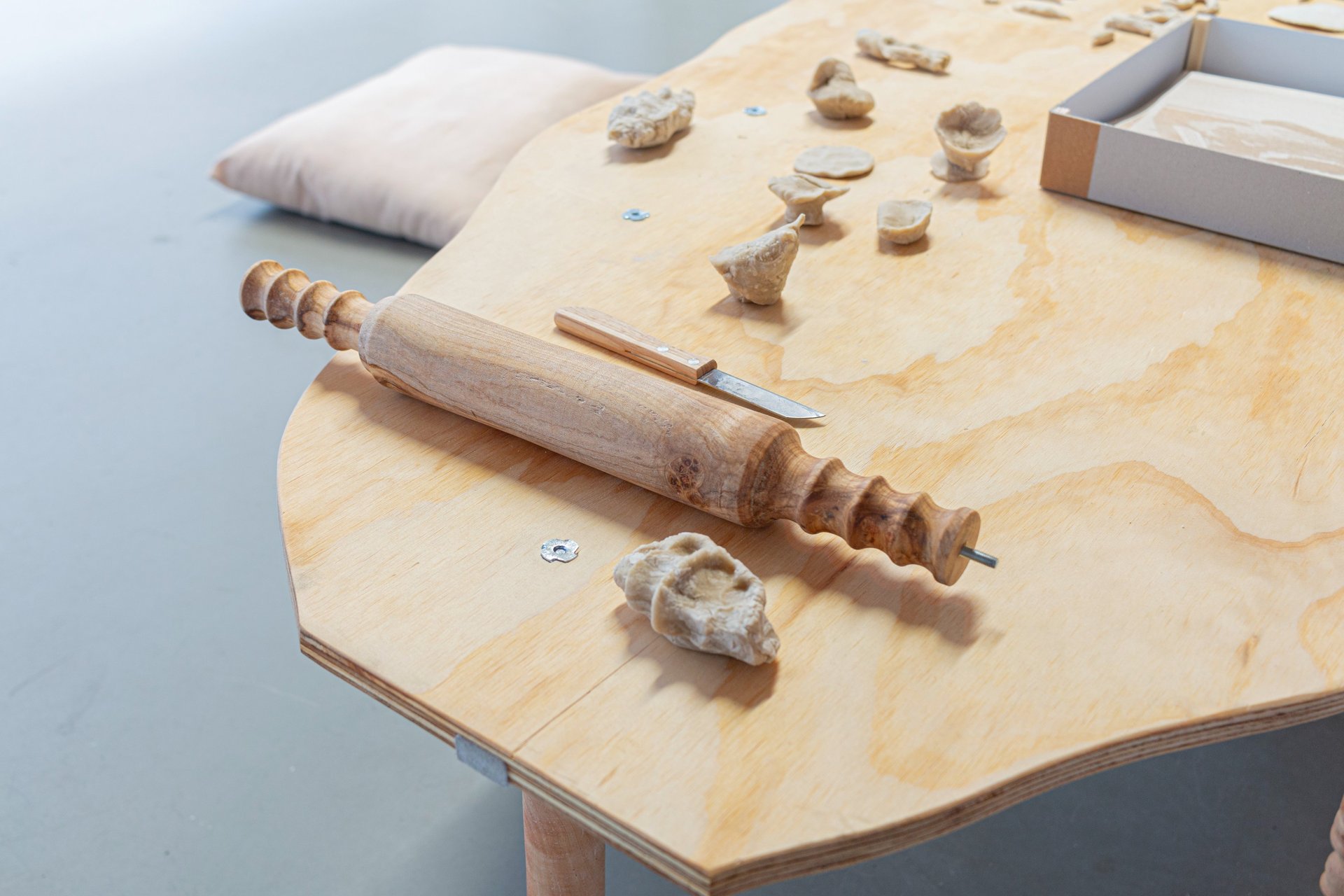
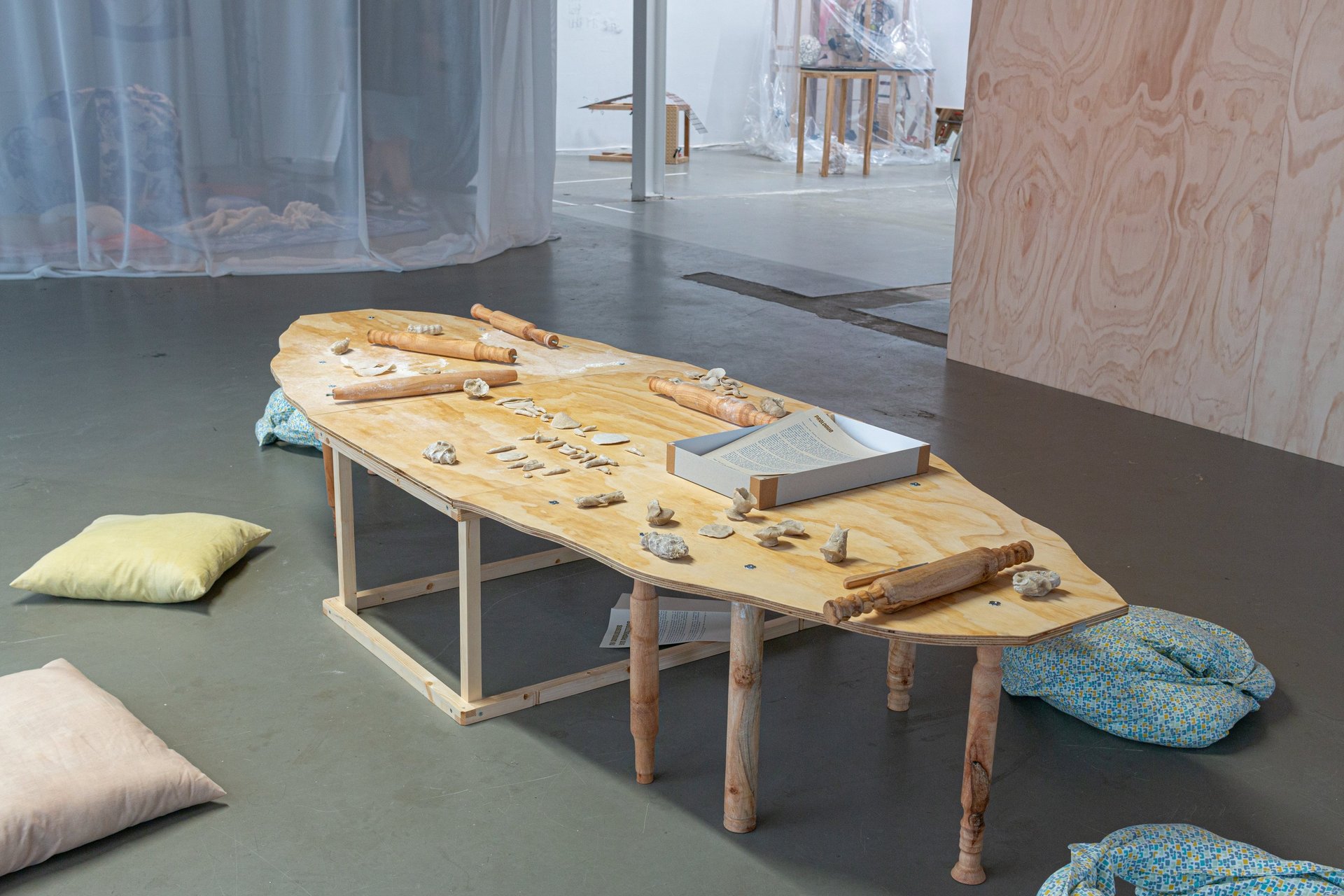
Installation with activations, wheat dough, digital projection.
The work invites the viewer to look at pelmeni, a specific type of dumpling and national dish of Russia, through multiple lenses. From pelmeni as sustenance of the nomadic people of the Ural region; to conquerors consuming pelmeni and regional culture whilst expanding maps of Imperial Russia; and then from the perspective of personal memories in the privacy of a domestic kitchen. It is a recipe preserved and passed on from generation to generation, from hands to hands and from East to West.
Inspired by Anja Novak’s essay ‘Dishing Up Colonialism’, the work intends to connect cartography and cuisine in an edible installation. The research is situated in the Ural mountains, the birthplace of the artist and its presentation consists of two activation moments:
1.Taking from the table - a systematic act of cutting of the dough as landscape divided and conquered, presented in a lecture performance for a wide audience. This activation looks at the colonial history of, and impacts on the Ural region. The cutting of the dough landscape acts as a metaphor for the loss of land, ways of being and cultures that have lived here, juxtaposed with the land uses of today.
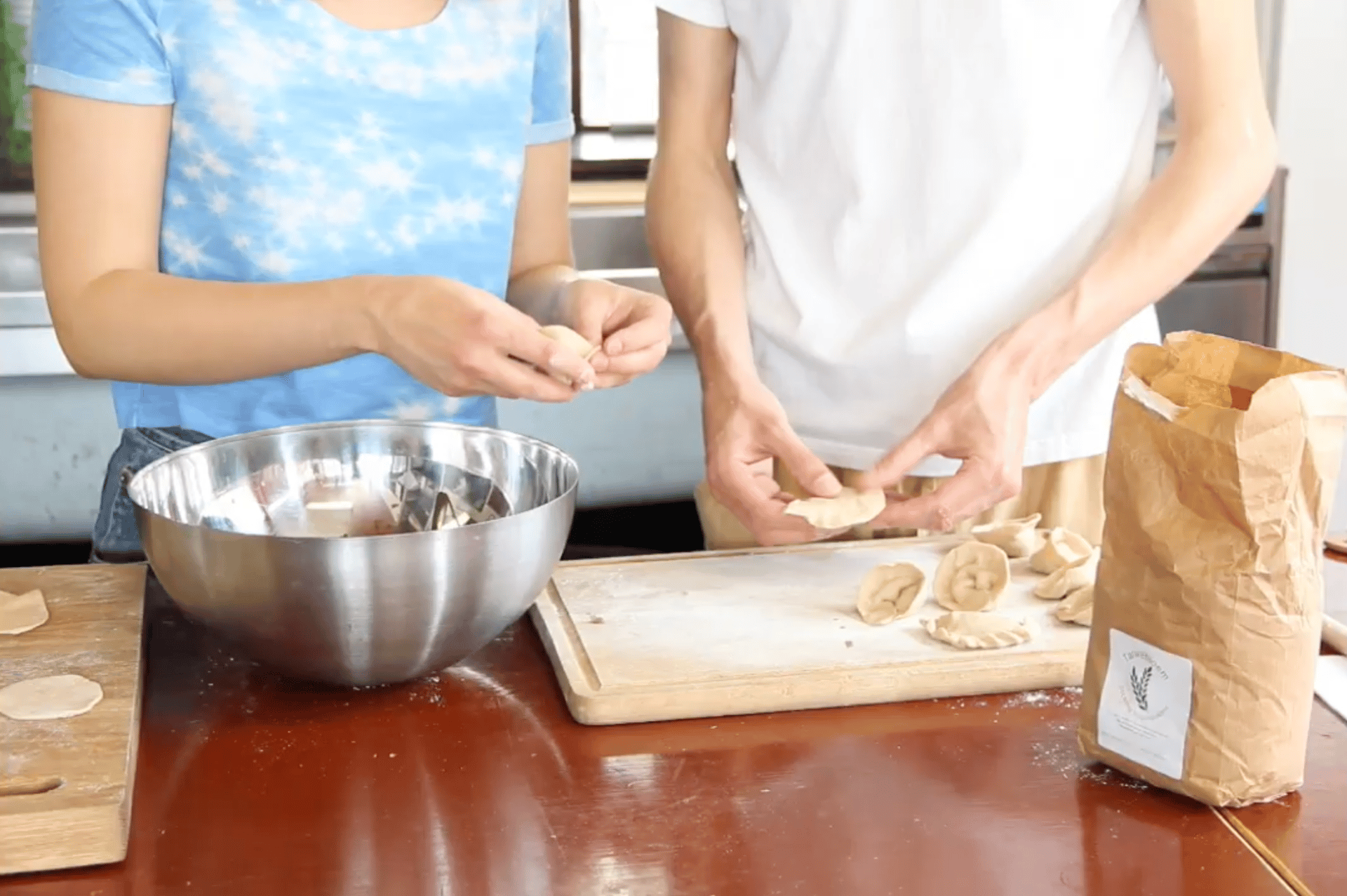
2.Bringing to the table - a collective, conversational cooking session with invited guests focused on intimacy and listening. This activation is a guided conversation around the table where the invited guests bring personal stories connected to the context of Russian colonialism whilst making edible sculptures.
Shown at Refractions, BAK, basis voor actuele kunst, Utrecht. Curated by Katia Krupennikova.
Eathouse Collective
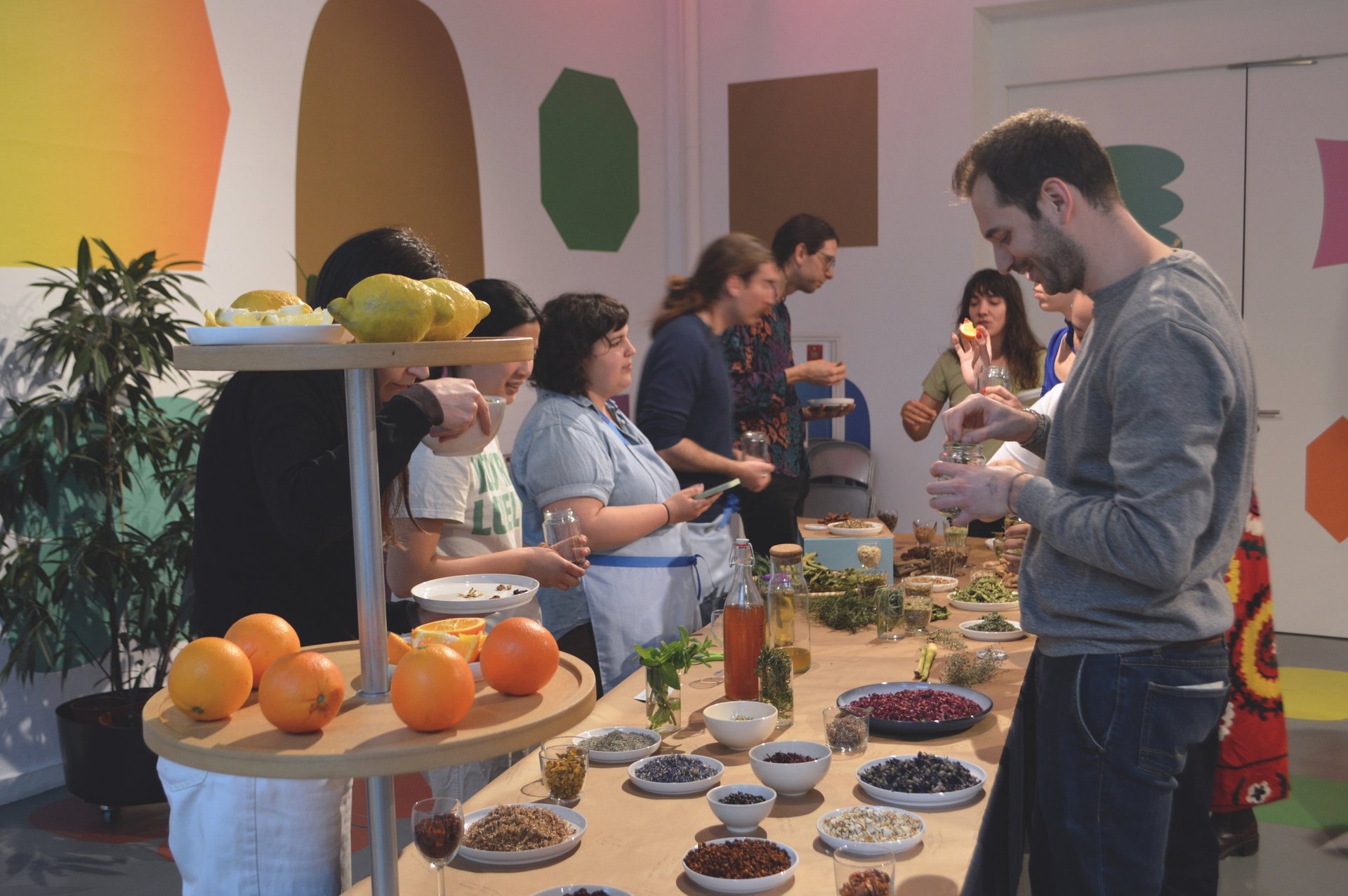
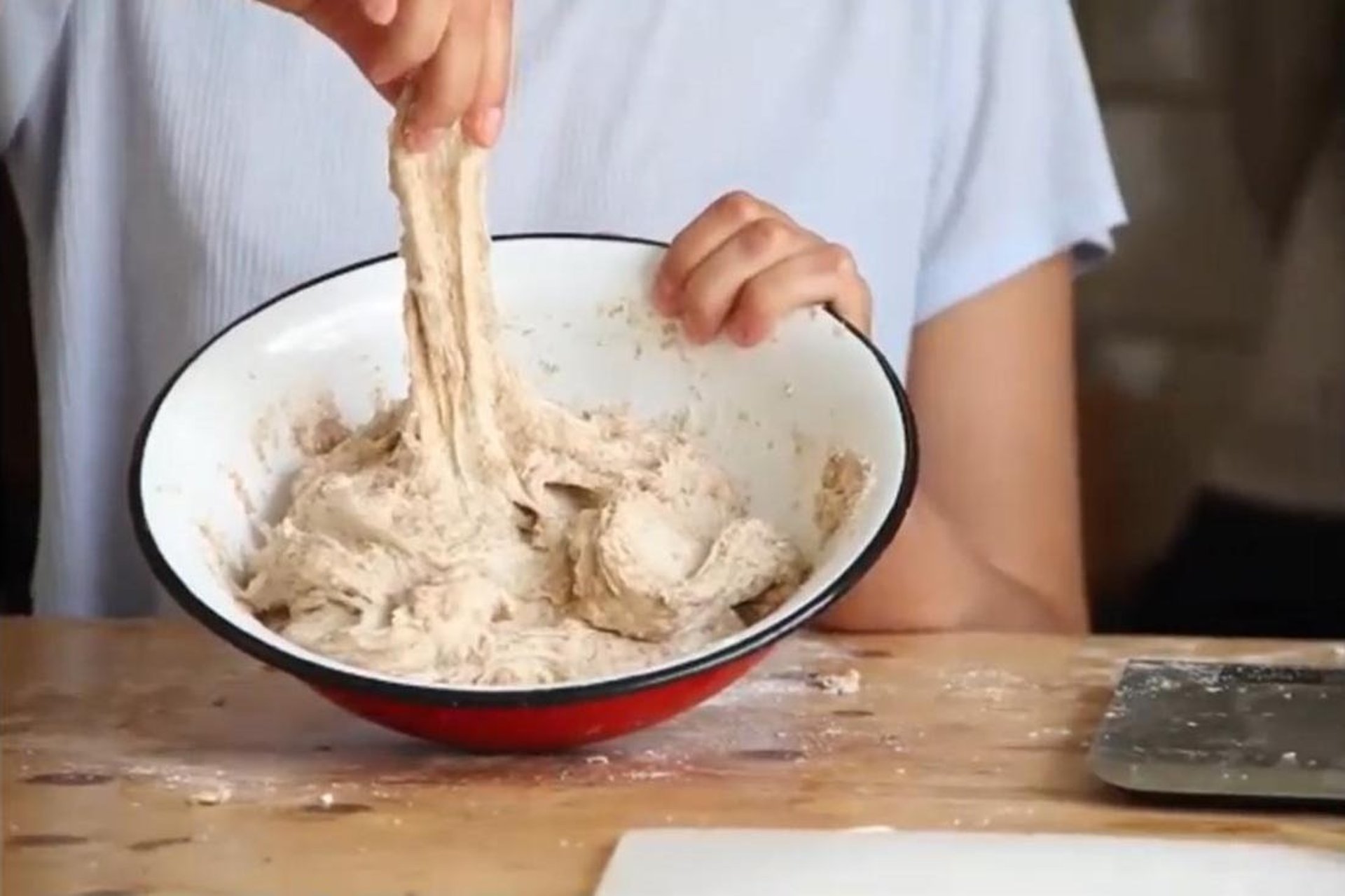
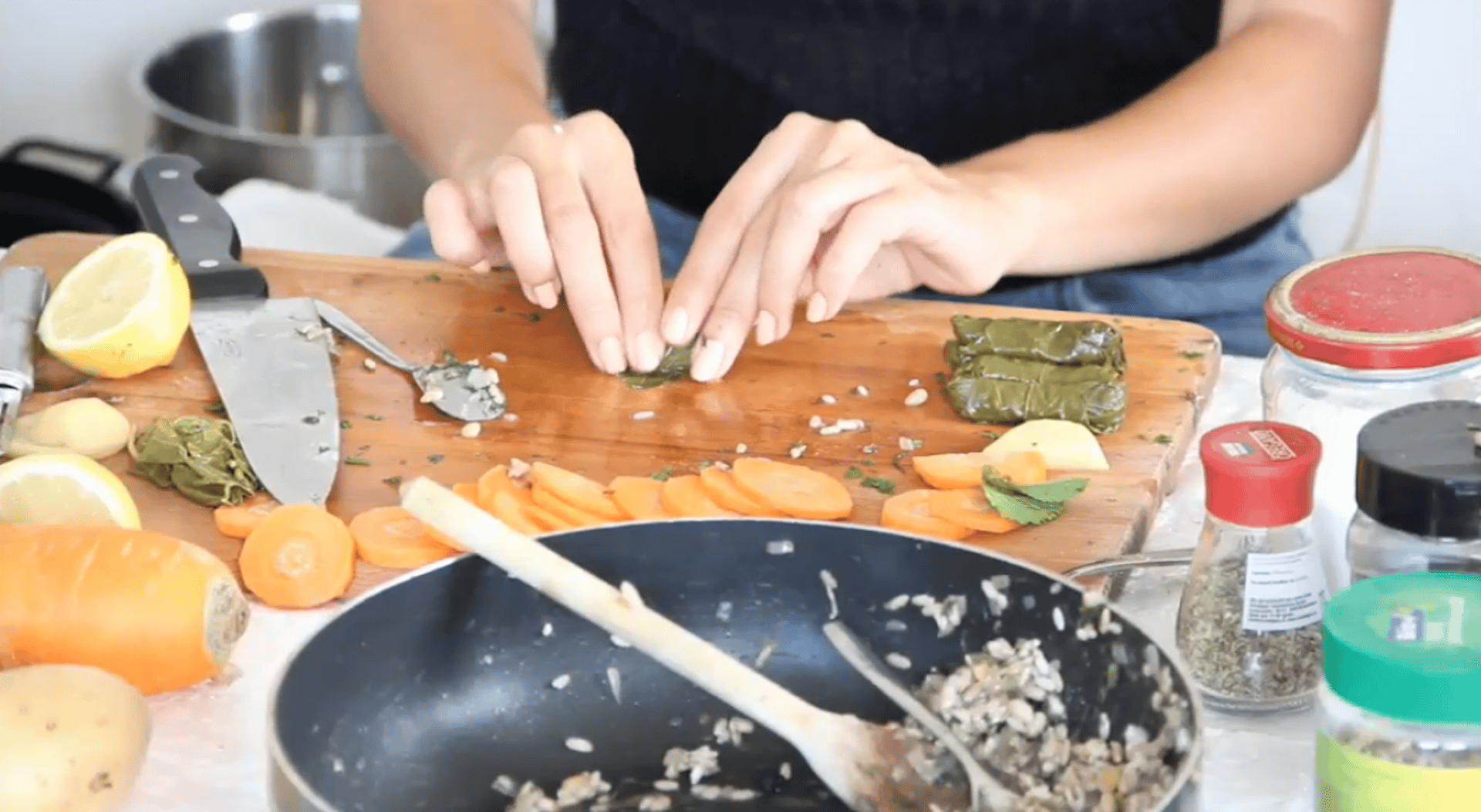
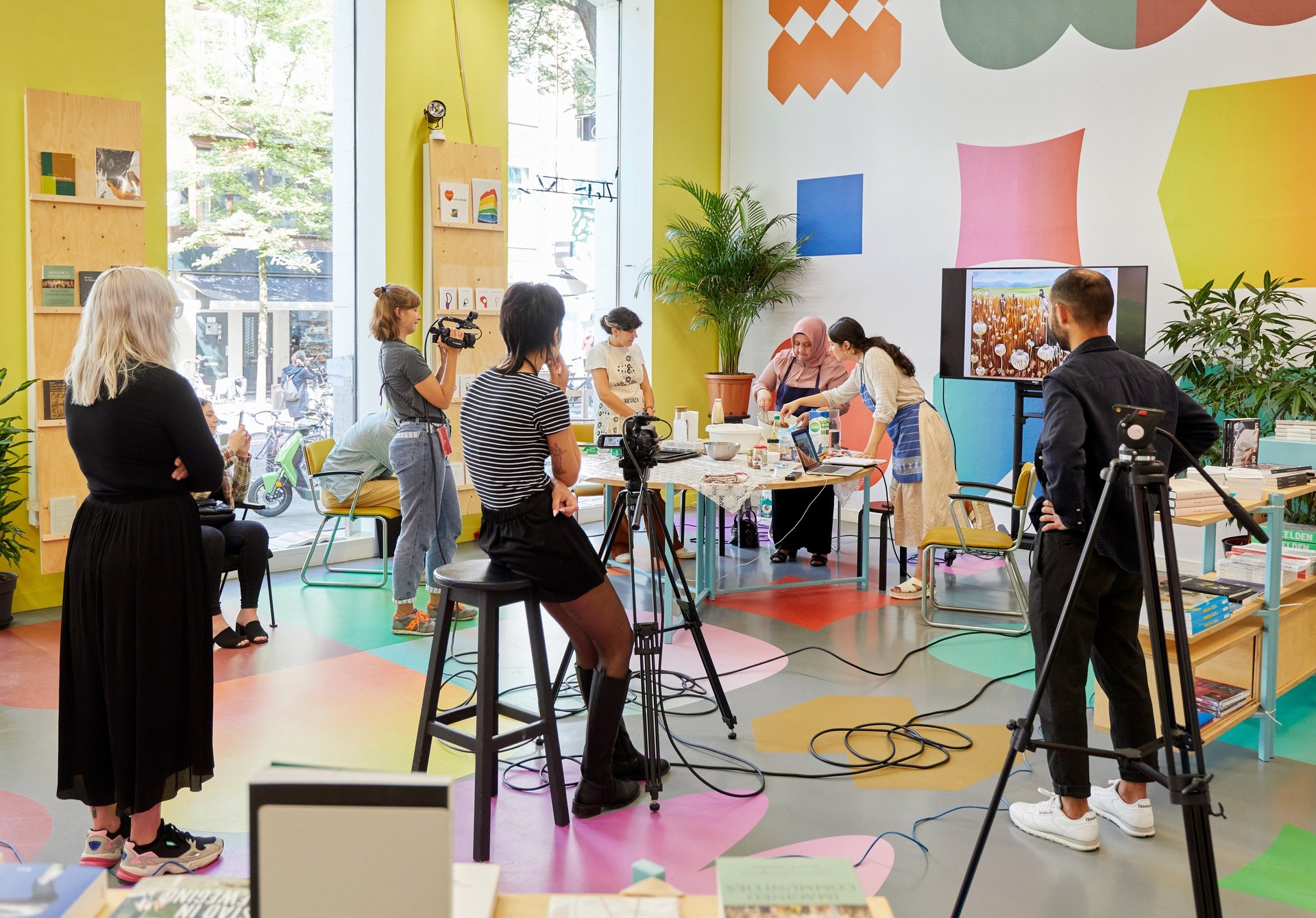
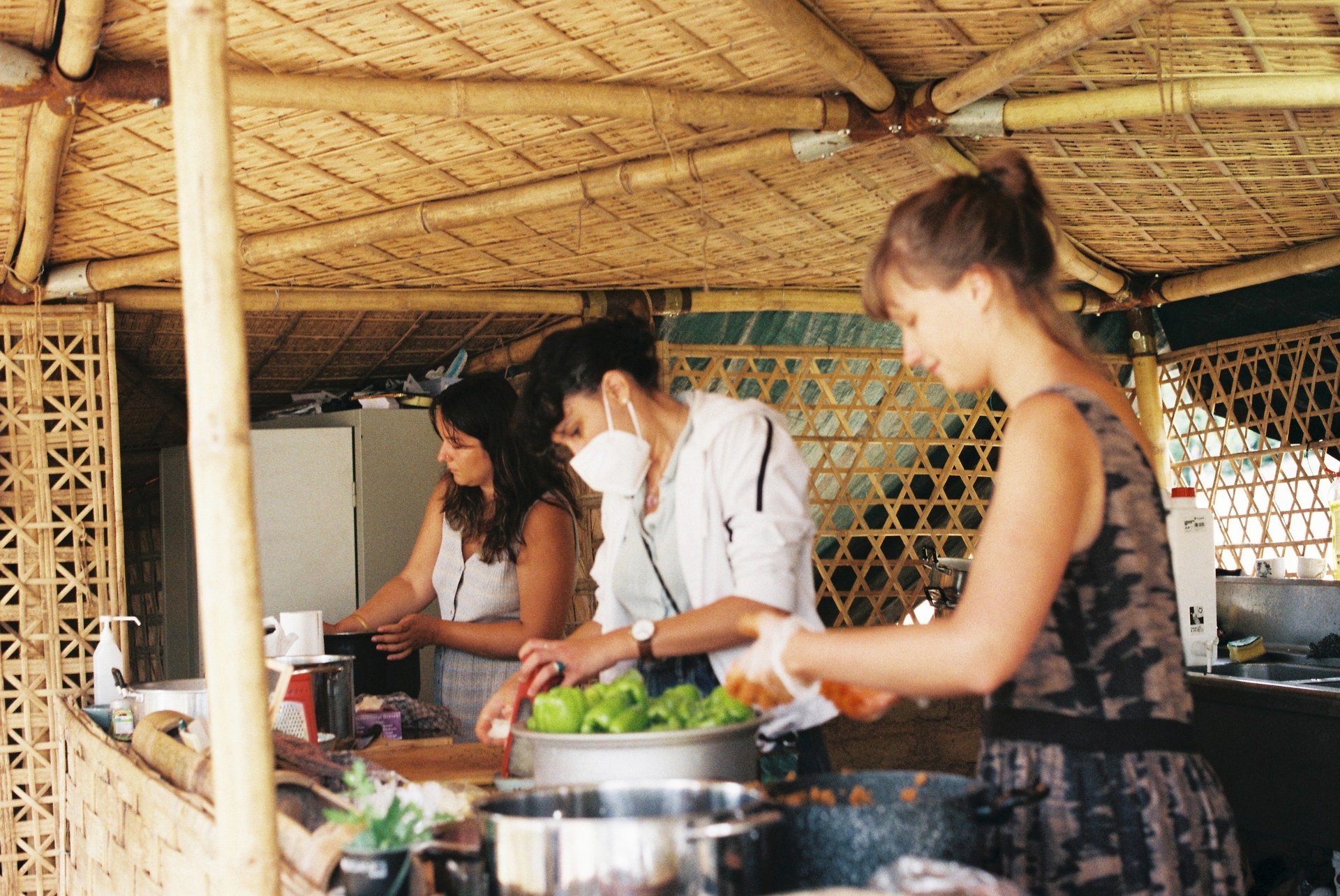
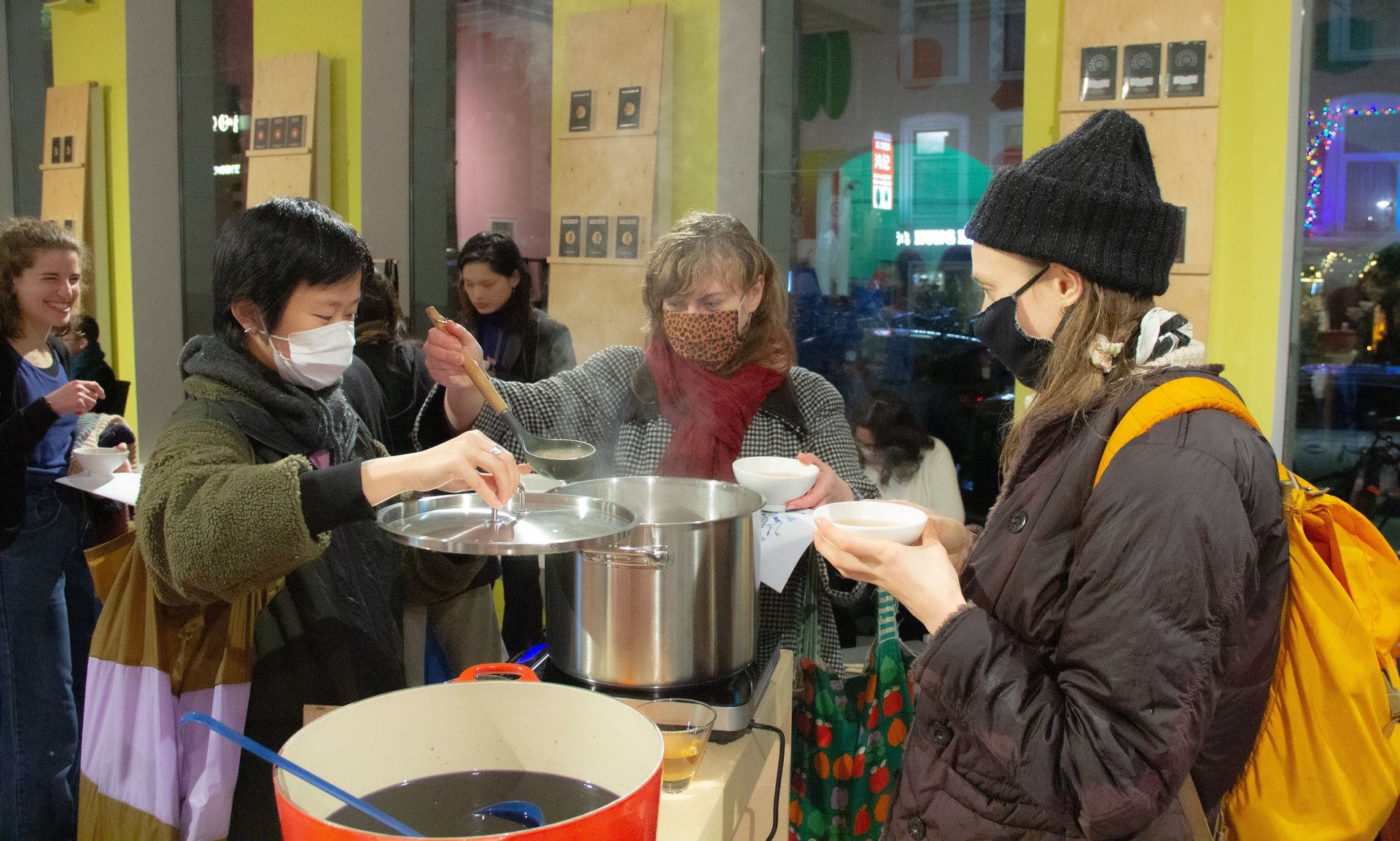
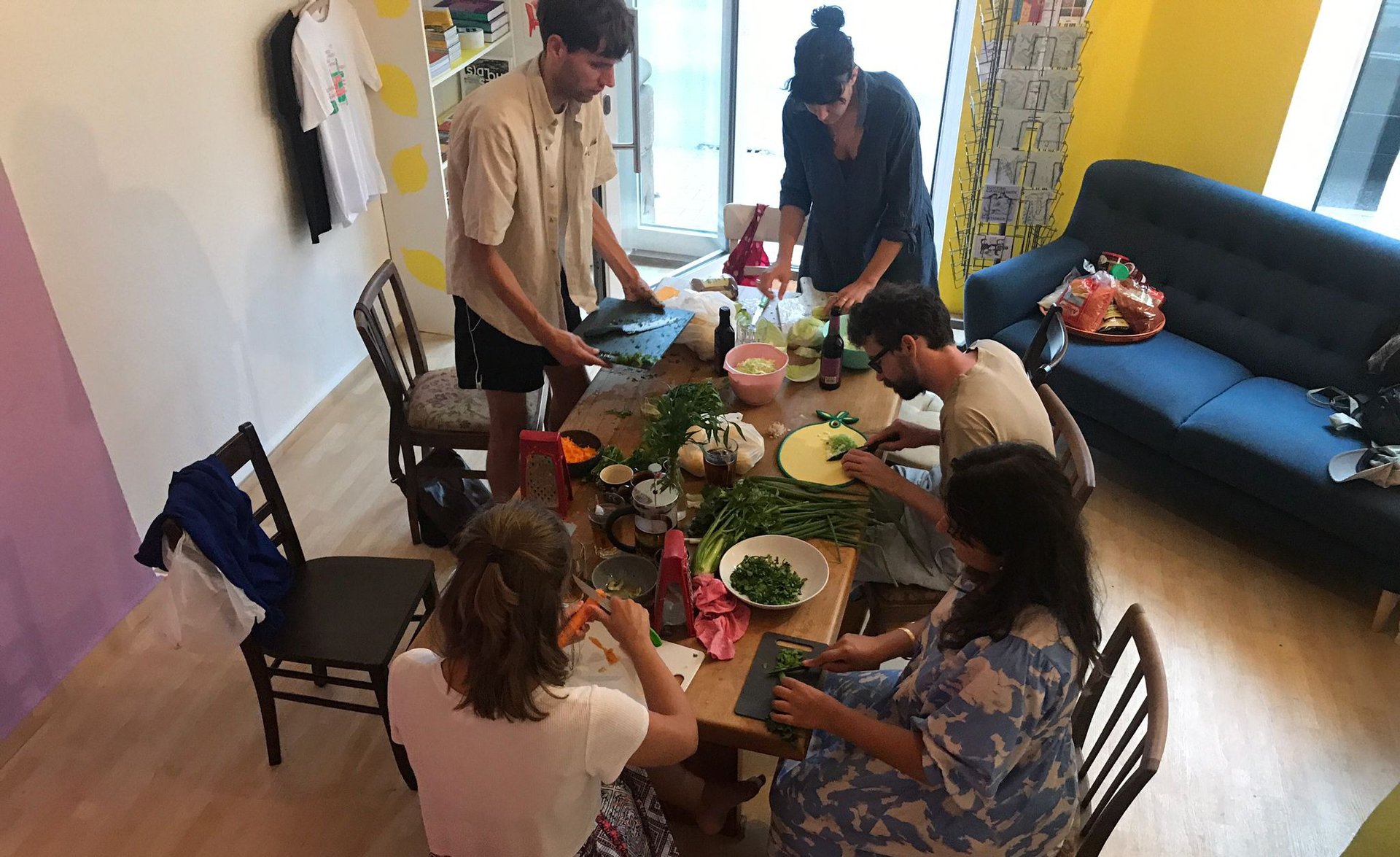
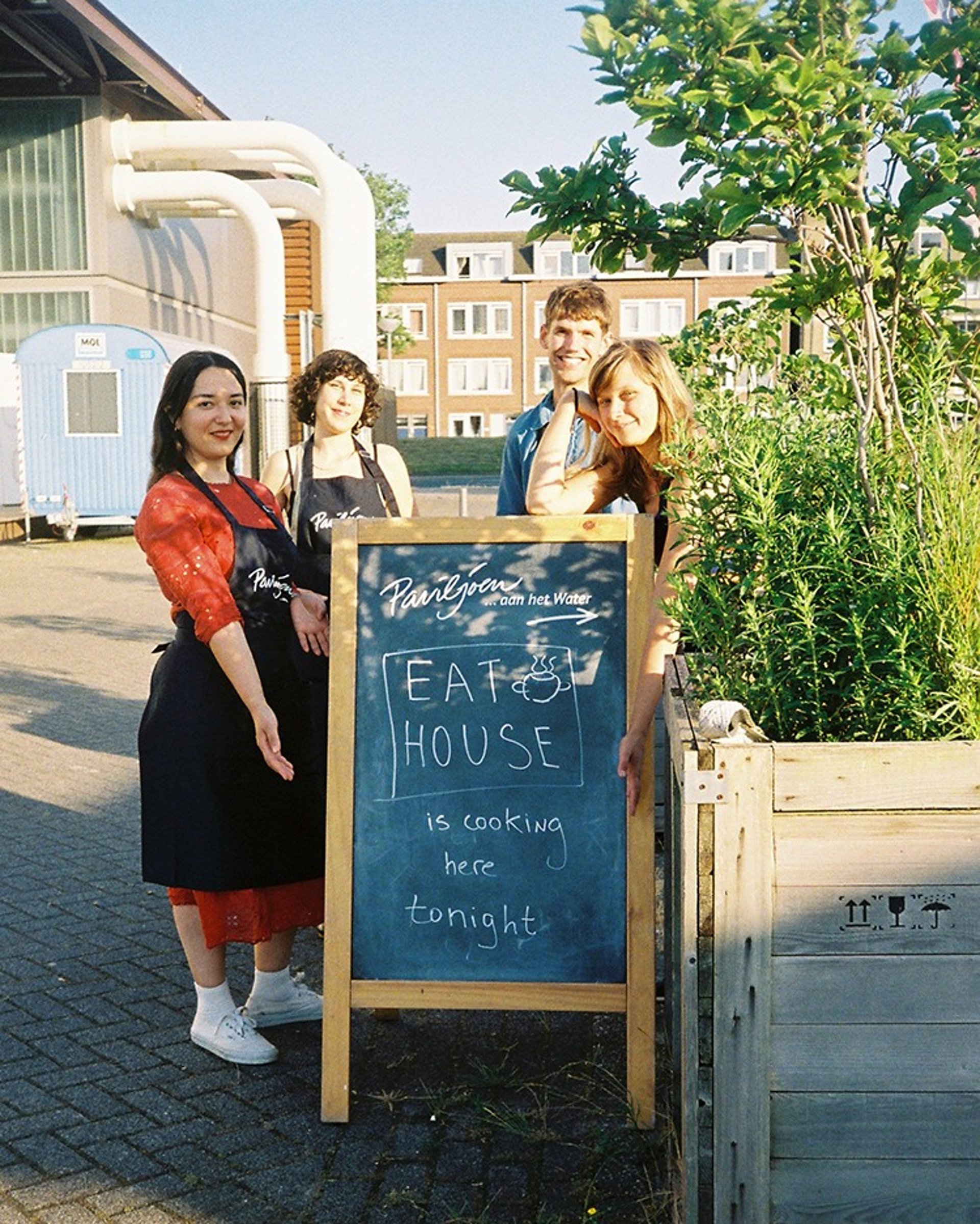
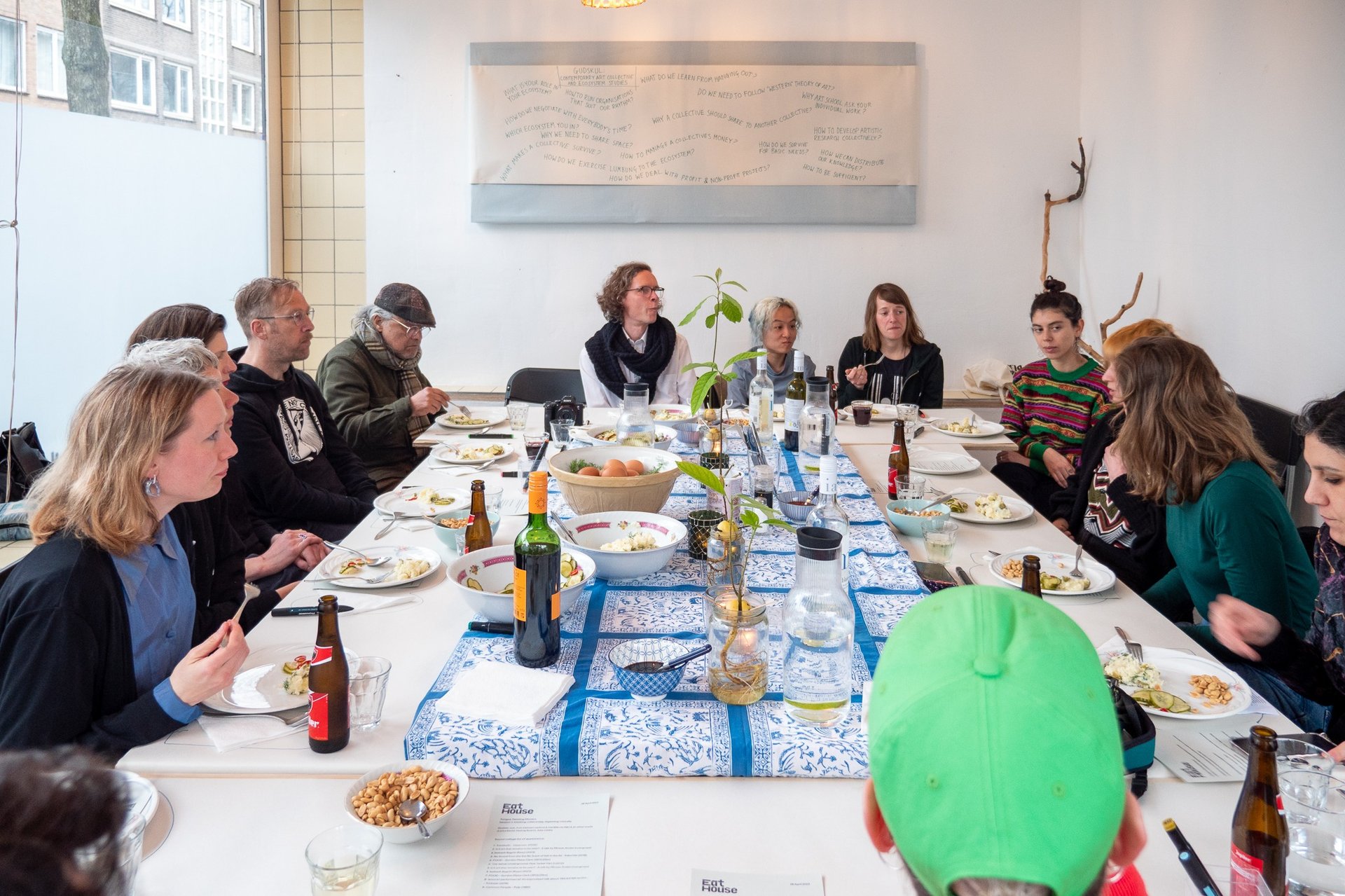
Eathouse is an artist cooking collective set up in 2020 by Ulufer Çelik, Merve Kılıçer, Vlada Predelina, and Jake Caleb. The collective practice explored the potential of food as an artistic method. We did this to instigate dialogue on ways that the culinary informs the social. We have hosted public events, kitchen takeovers, fundraisers and online broadcasts. In addition we invited other artists engaging with food to share their research with a wider audience.
For the 2020 summer season, Eathouse hosted the restaurant at Paviljoen aan het Water, Rotterdam.
In Summer Season 2021 Eathouse Collective were running LIVE FEED: a set of 4 broadcasted events where we took a look at specific dishes we cook, and opened up discussions about their histories to find out what draws us to them and how we gather and form a community around them.
In late 2021 and early 2022 we hosted SESSIONS at Kunstinstituut Melly, Rotterdam.
In Summer Season 2022 we took a residency at Lemon House during documenta fifteen and cooked at PAKGHOR kitchen by Britto Arts Trust in Kassel.
In 2023 we created a series of conversational dinners called 'Tongue Twisting Dinners' where we explored ways of initiating critical dialogue around contemporary urgencies. These took place at an other world project space in Rotterdam.
In 2024 we spent time Newcastle, UK with Learning Exchange Residencies programme. Later in the year we did a month-long residency at Can Serrat, El Bruc, Catalonia.
Additionally we have worked on various events and catering with Nieuwe Instituut, Kunstinstituut Melly, WORM in Rotterdam, Casco Art Institute, Utrecht, and De Appel, Amsterdam, amongst others.
The work of Eathouse Collective has been funded by CBK Rotterdam and Gemeente Rotterdam.
3 O' Clock
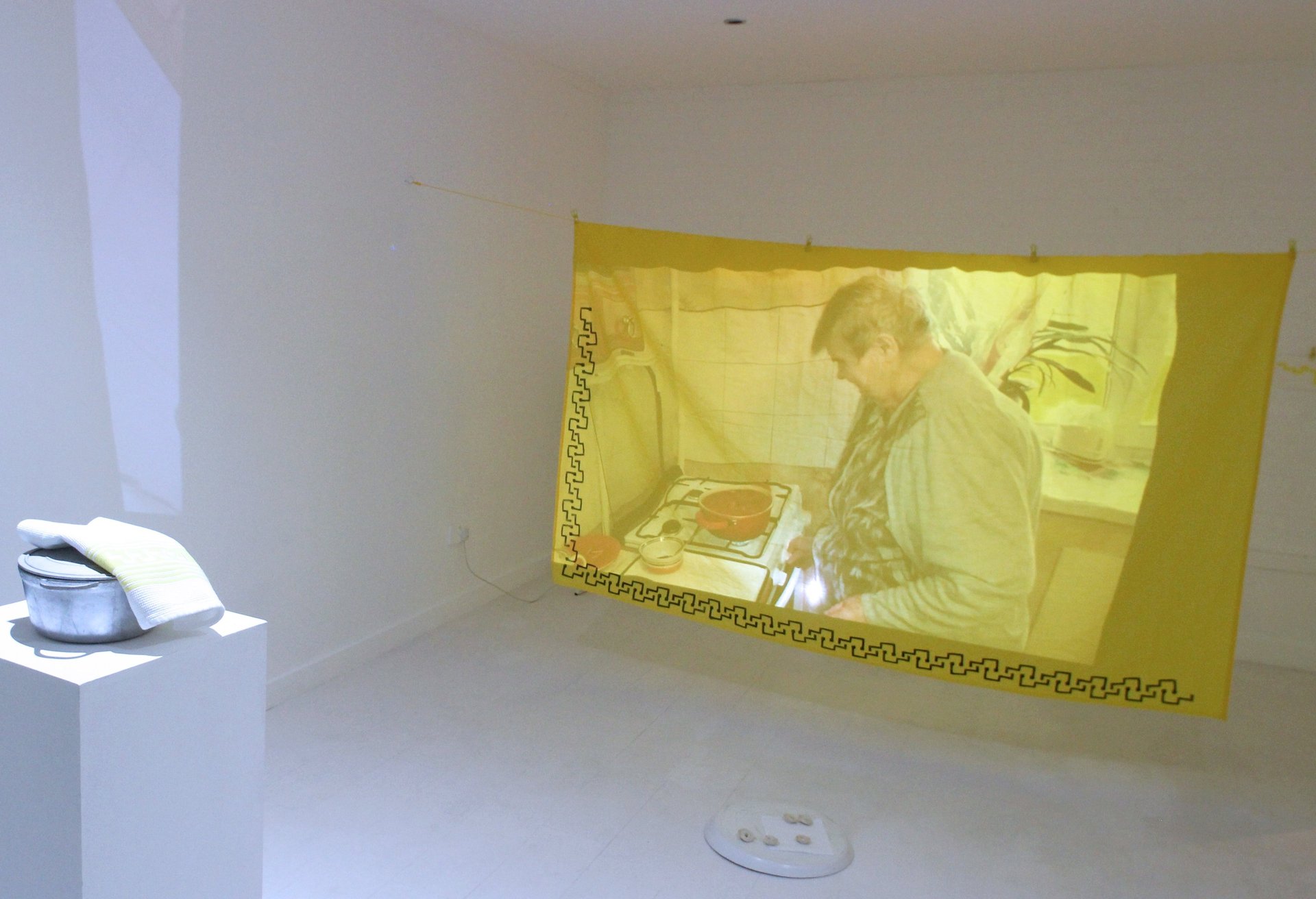
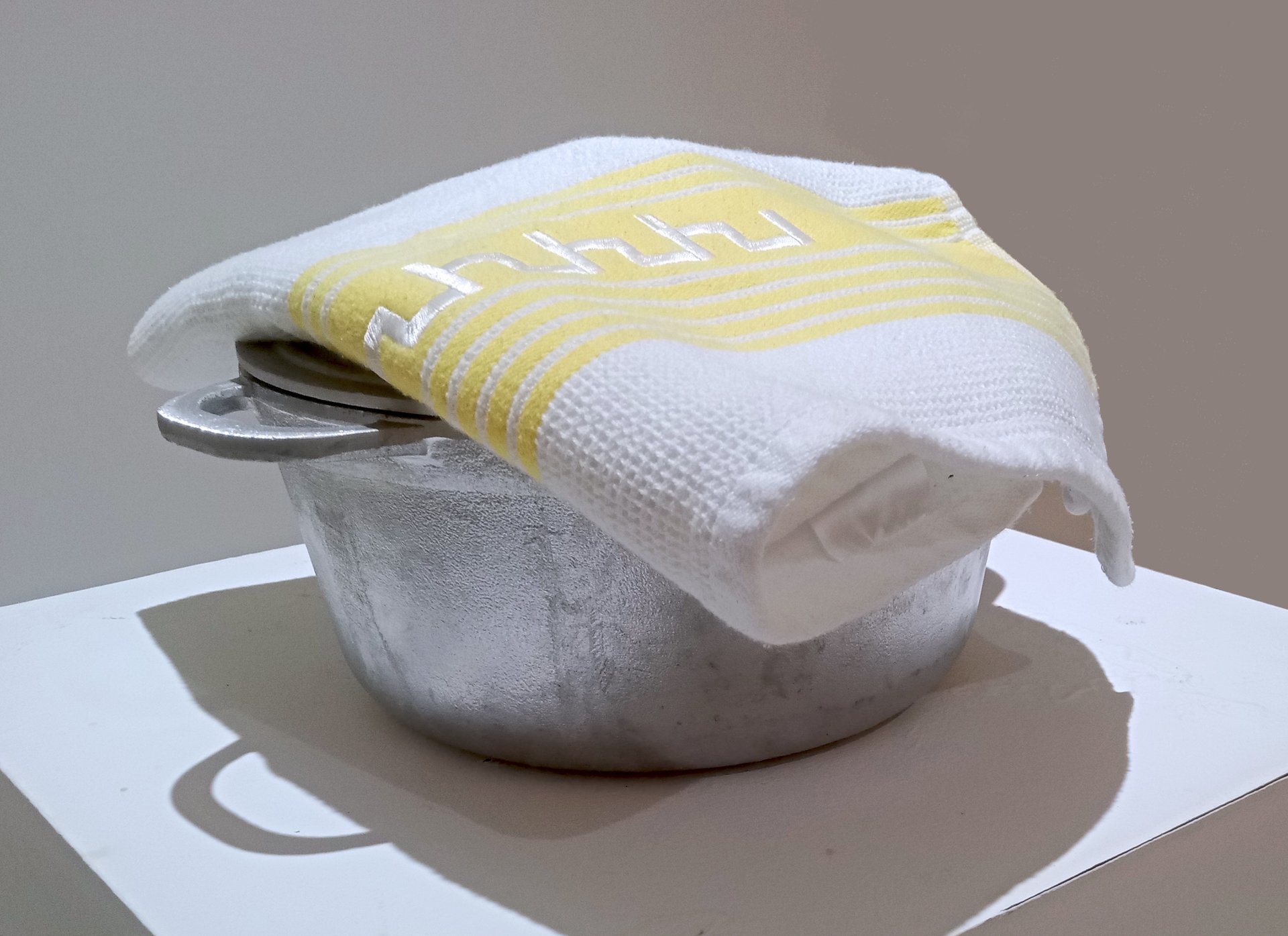
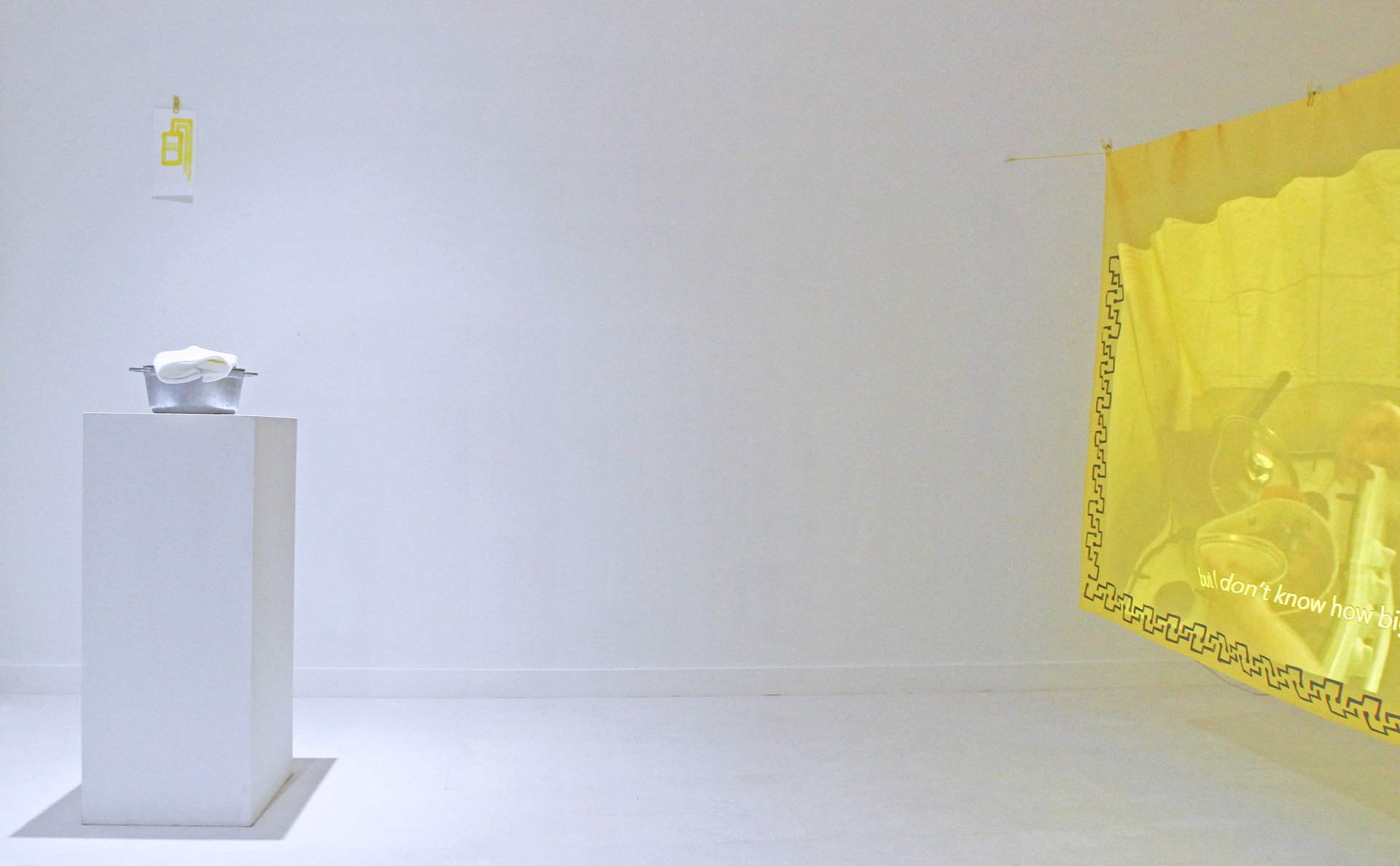
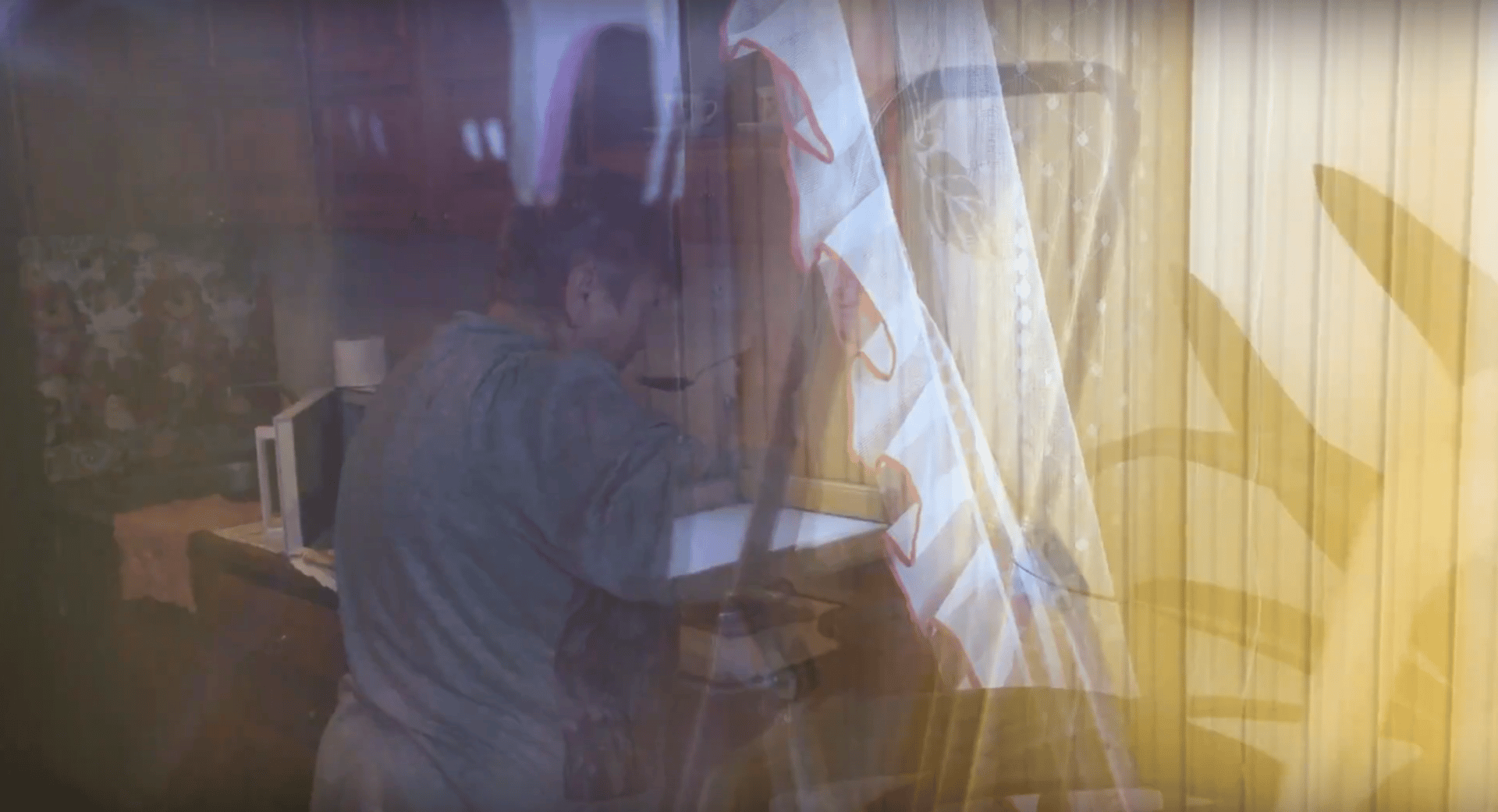
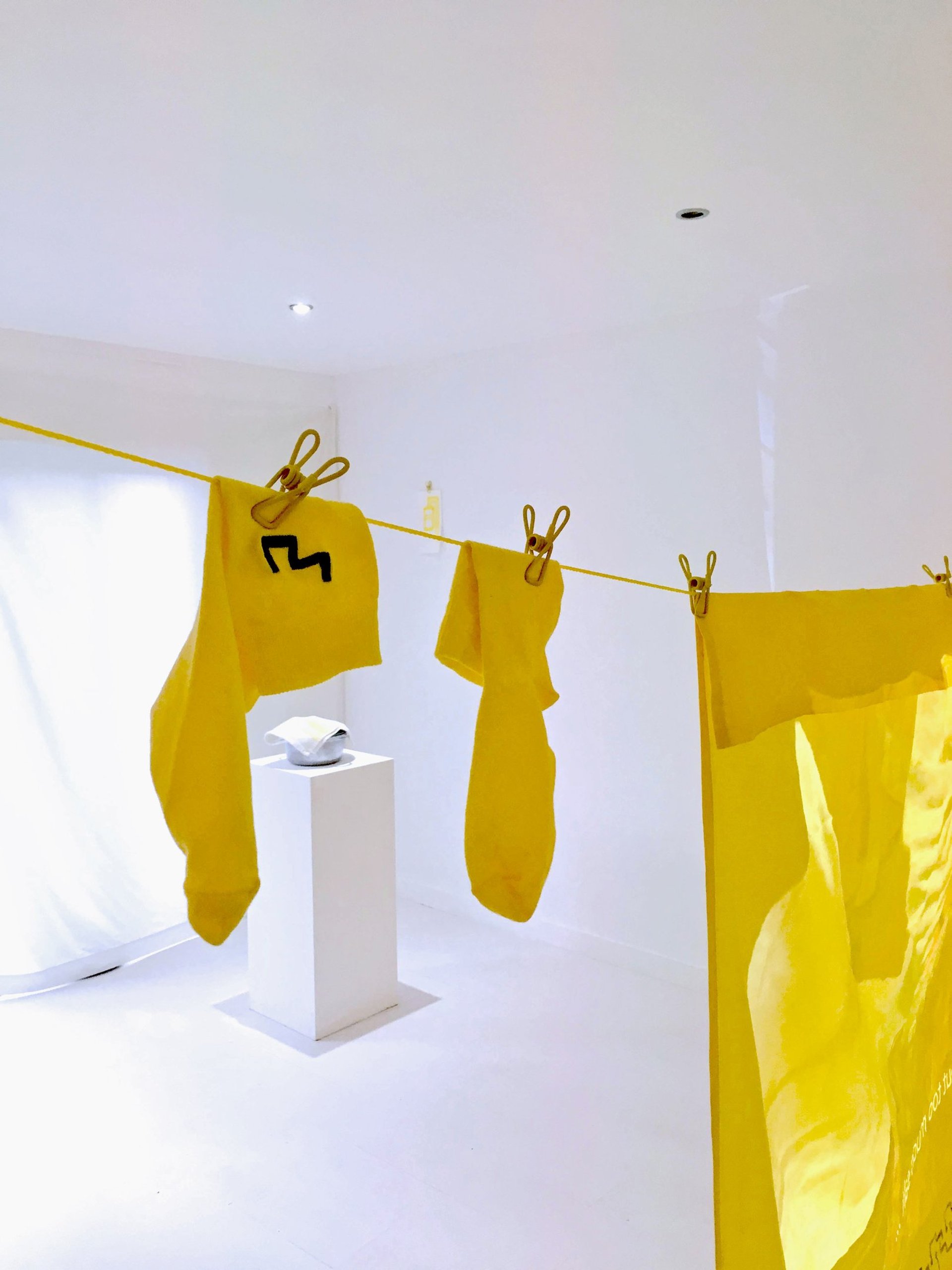
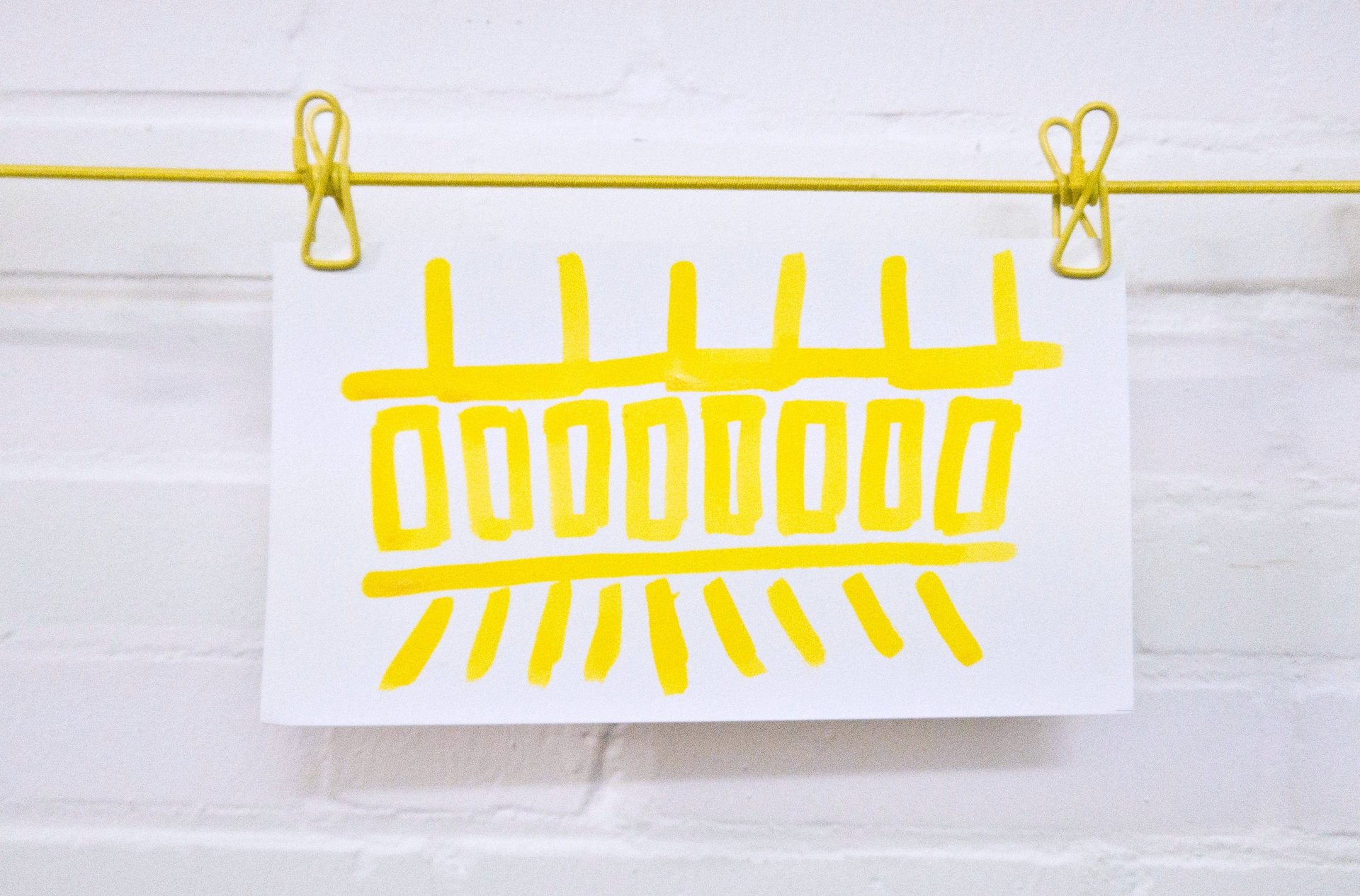
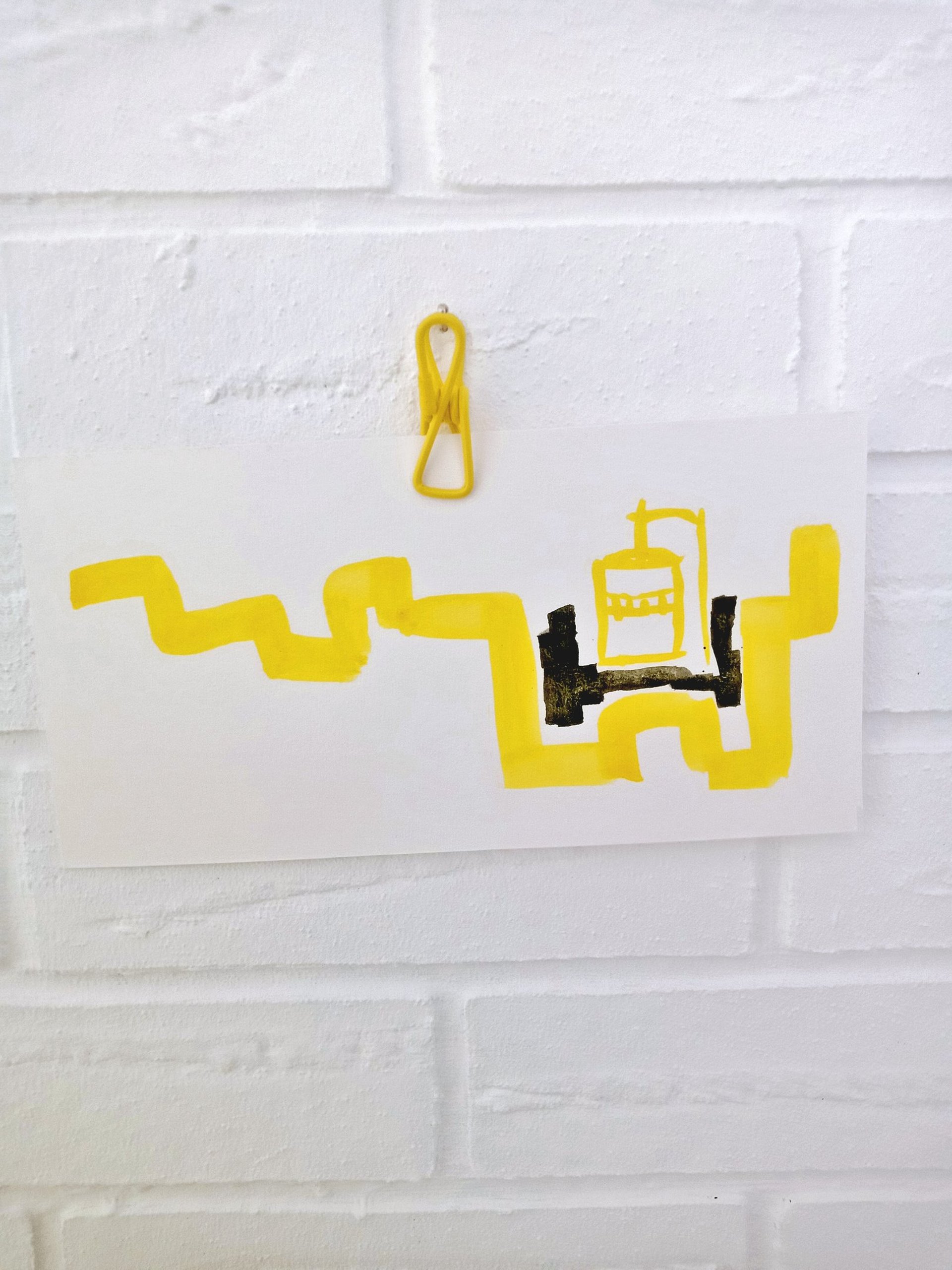
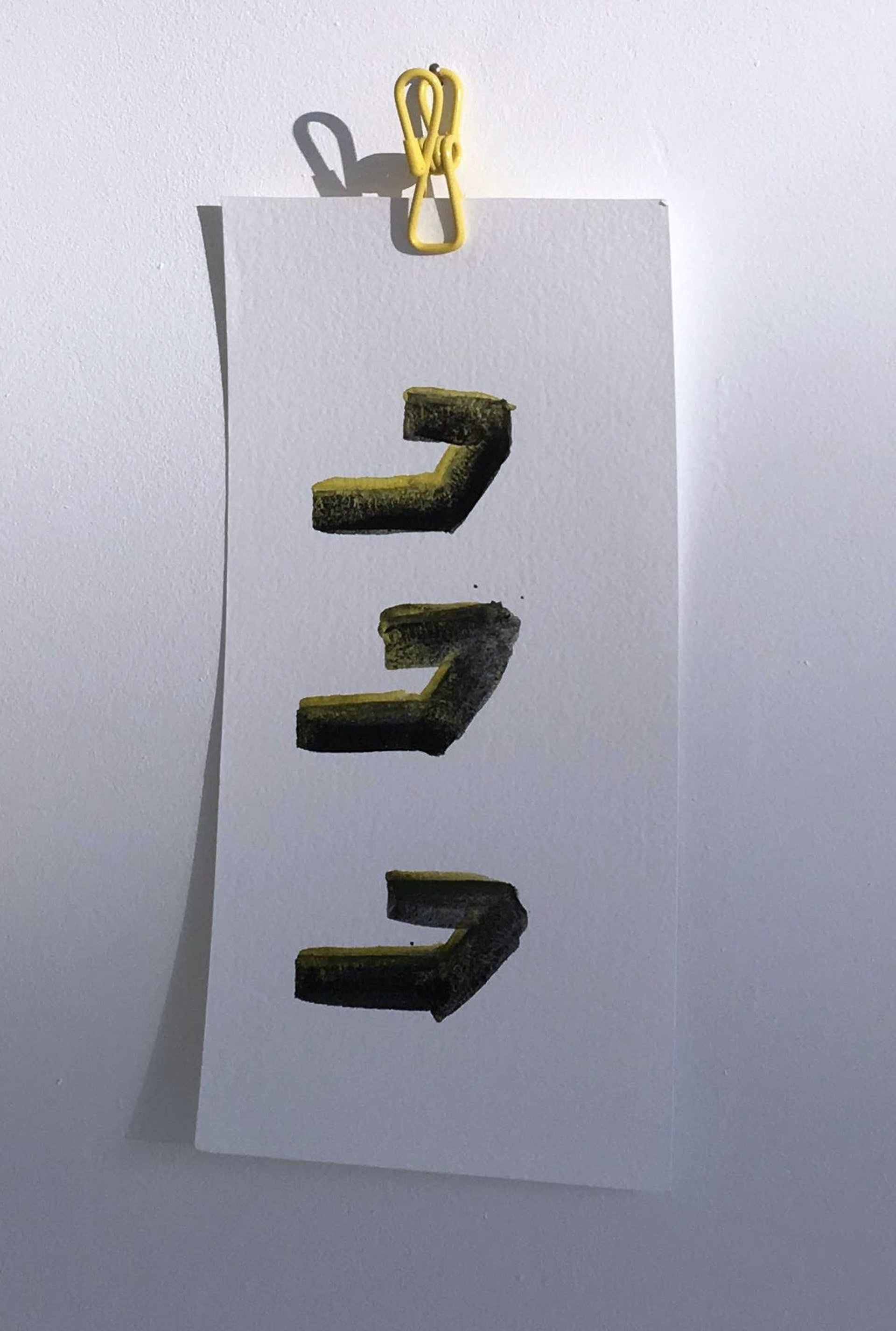
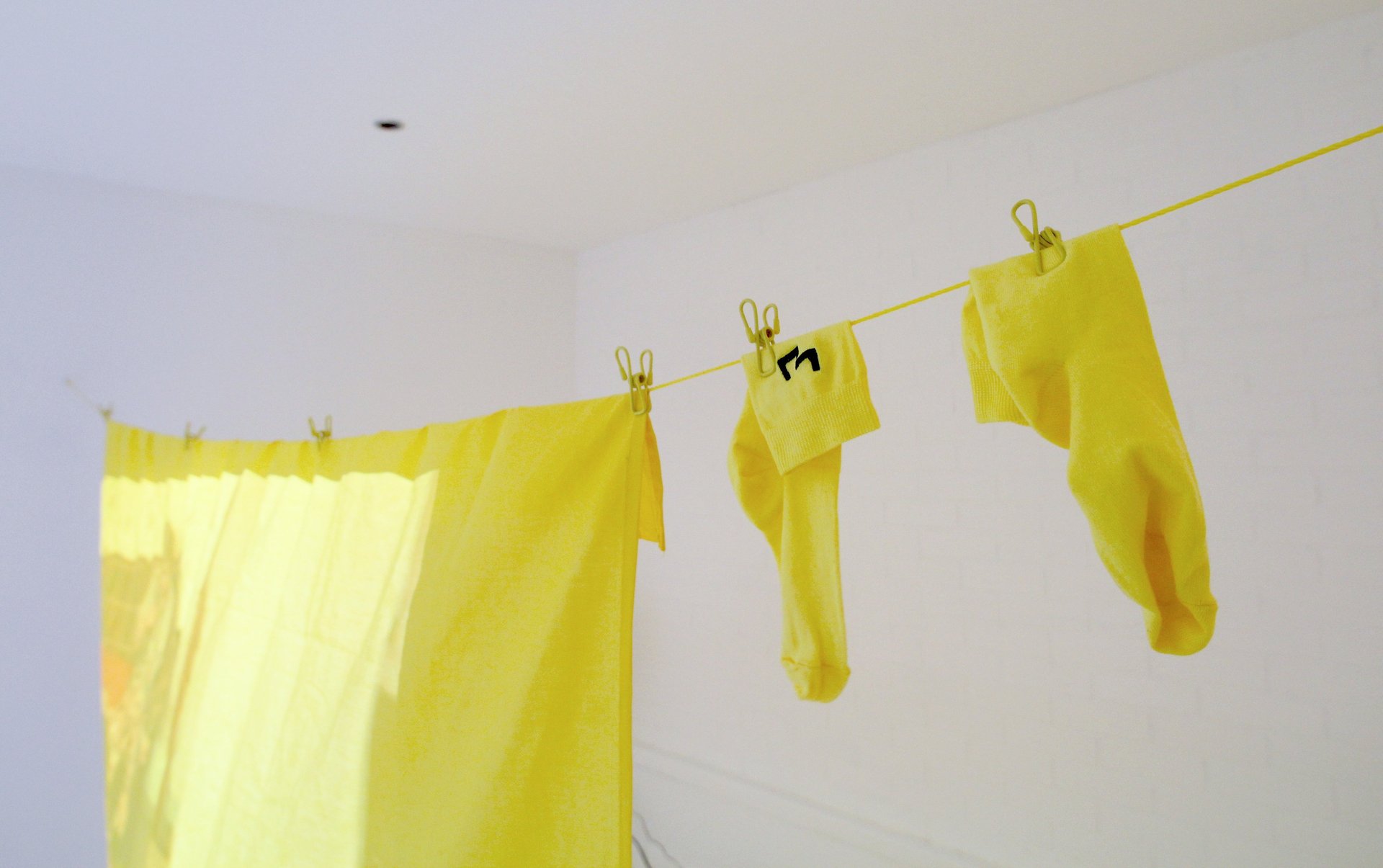
Installation with film projection.
3 O'Clock solo exhibition seeks to combine the feeling of home, geographical location and domestic work that is required in order for the feeling to exist. The work is a video of a recipe, displayed as part of an installation. I filmed my grandmother making her infamous borsch dish from her Ukrainian roots. The video is a step-by-step recipe. She often cooked borsch to greet me with coming back from school at around 3pm every day. The video was filmed using phones, for for the home-style video aesthetic and intimacy, as well as for my grandmother to feel comfortable with the recording. Of course, I also cooked my grandmother's borsch during the opening weekend for the public to eat, to share this moment.
The installation is full of domestic features such as the washing line; simultaneously symbolising housework and home. The laundry is hung out to dry in a home setting, but at the same time it is a (sometimes) colourful display of personal items for the passers-by in public. Generally the washing is hanging from a balcony or in your back yard where at least the glimpse of it will be seen by someone outside of your home. There they hang, with movement and life given by the breeze - completely banal but a beautiful sight. I want to celebrate this banality and many others as there is great strength and importance in it that often gets unnoticed. The borsch pot is displayed on a pedestal to highlight my grandmother's daily domestic labour. The drawings, embroidered and printed details are based on the view from the apartment, while the abundance of yellow is a homage to the colour of my grandmother's balcony.
Shown at Leave of Absence Gallery, London, curated by Yu'an Huang.