
Island Ears
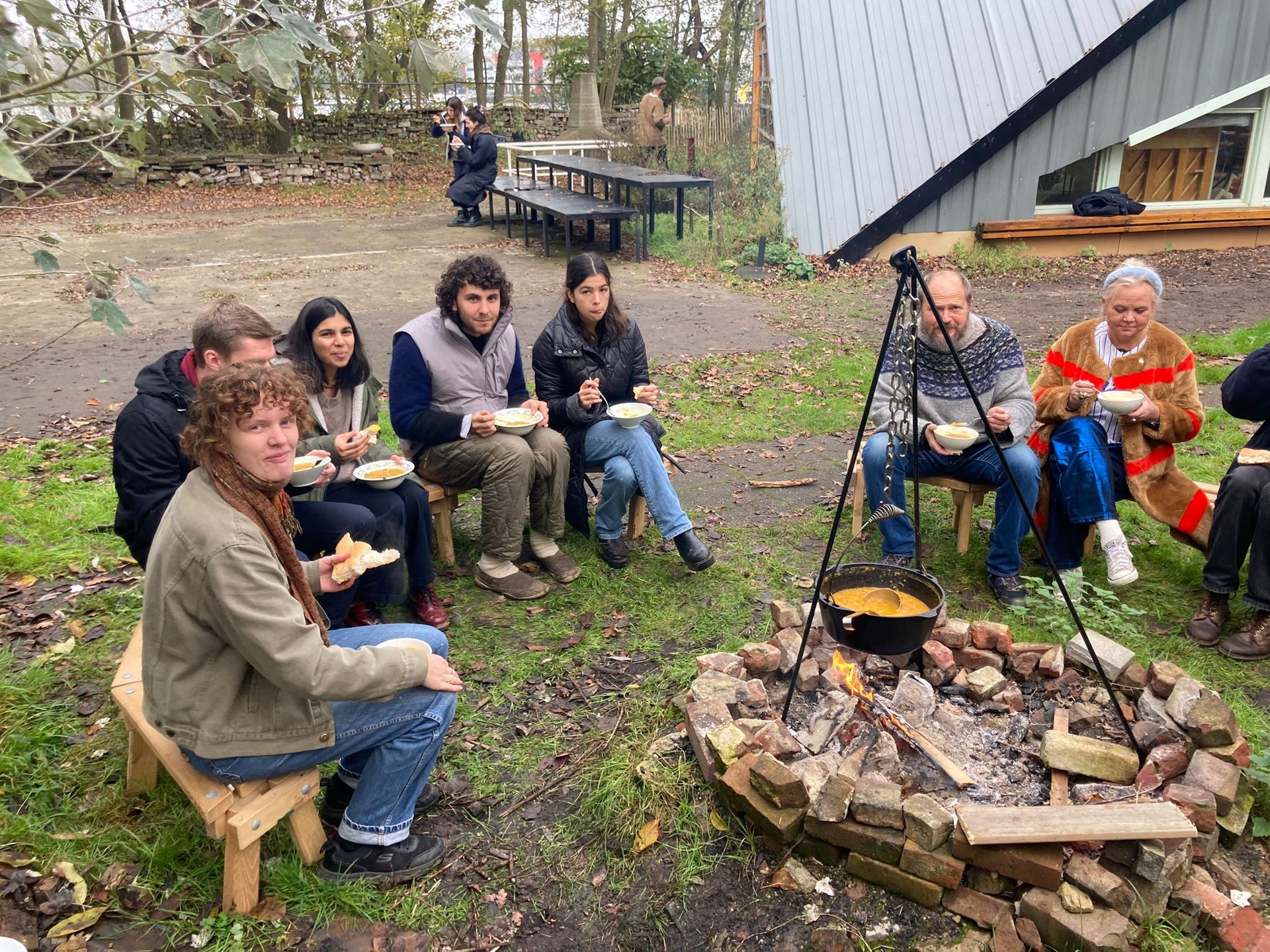
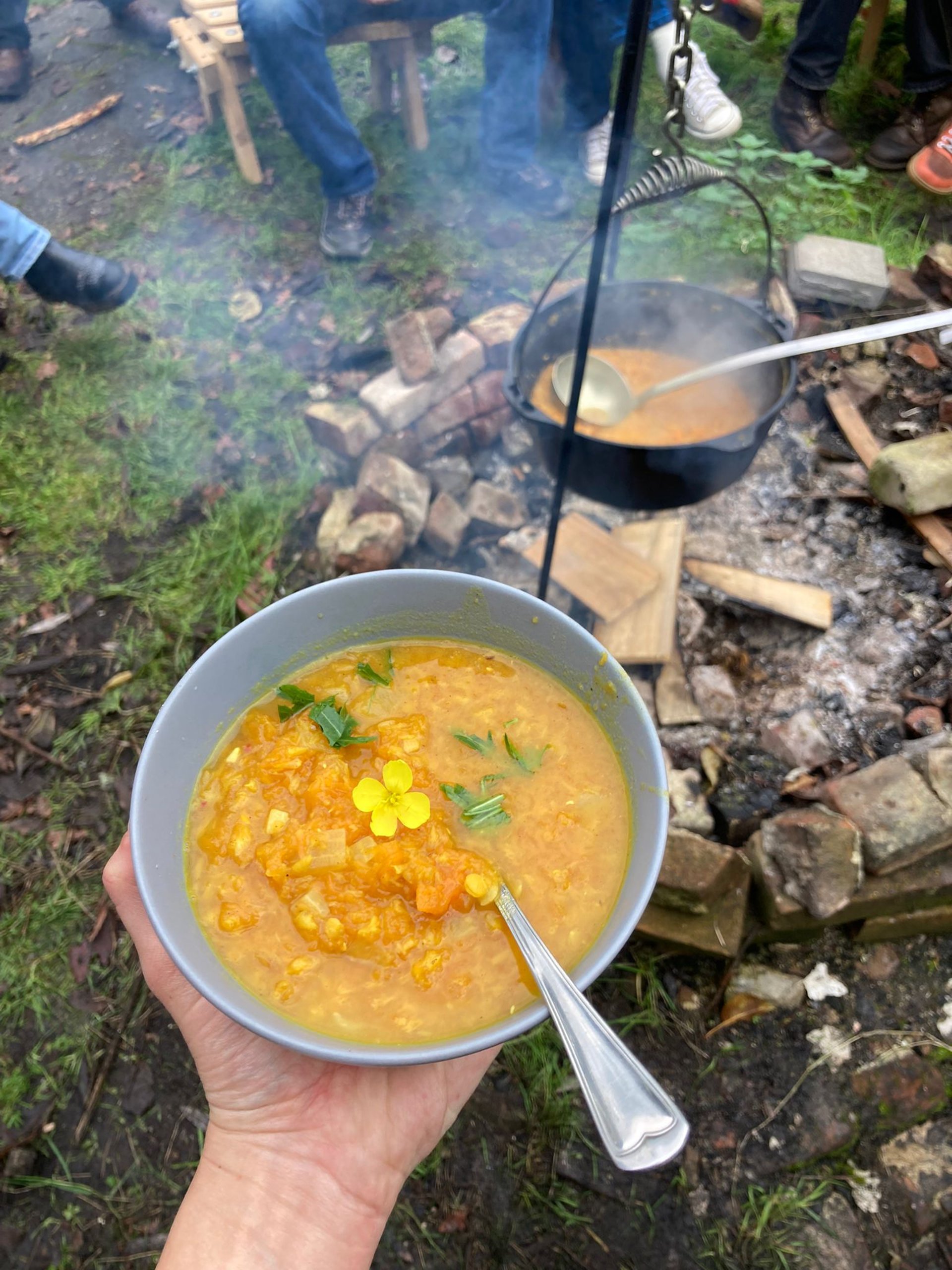
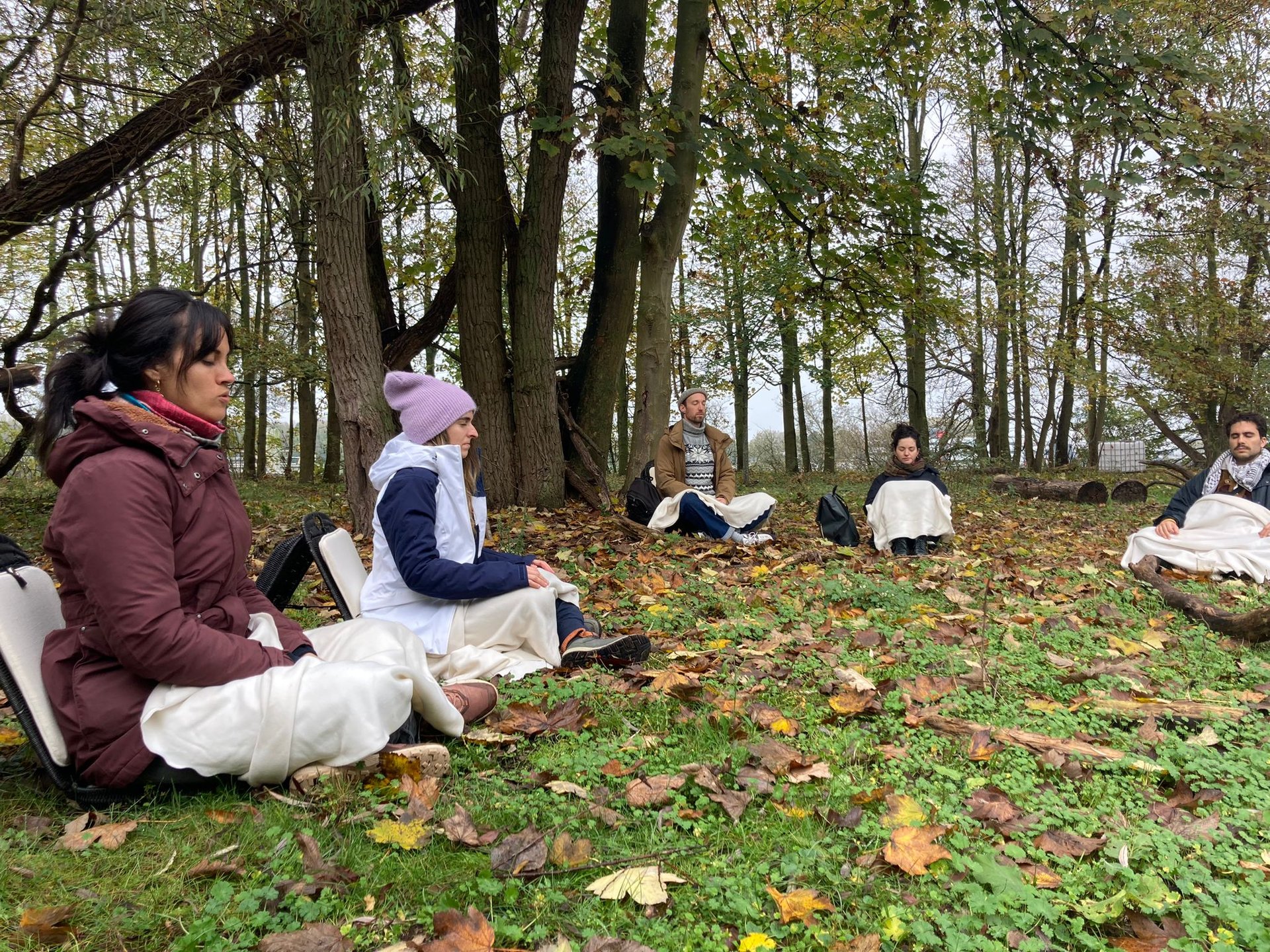
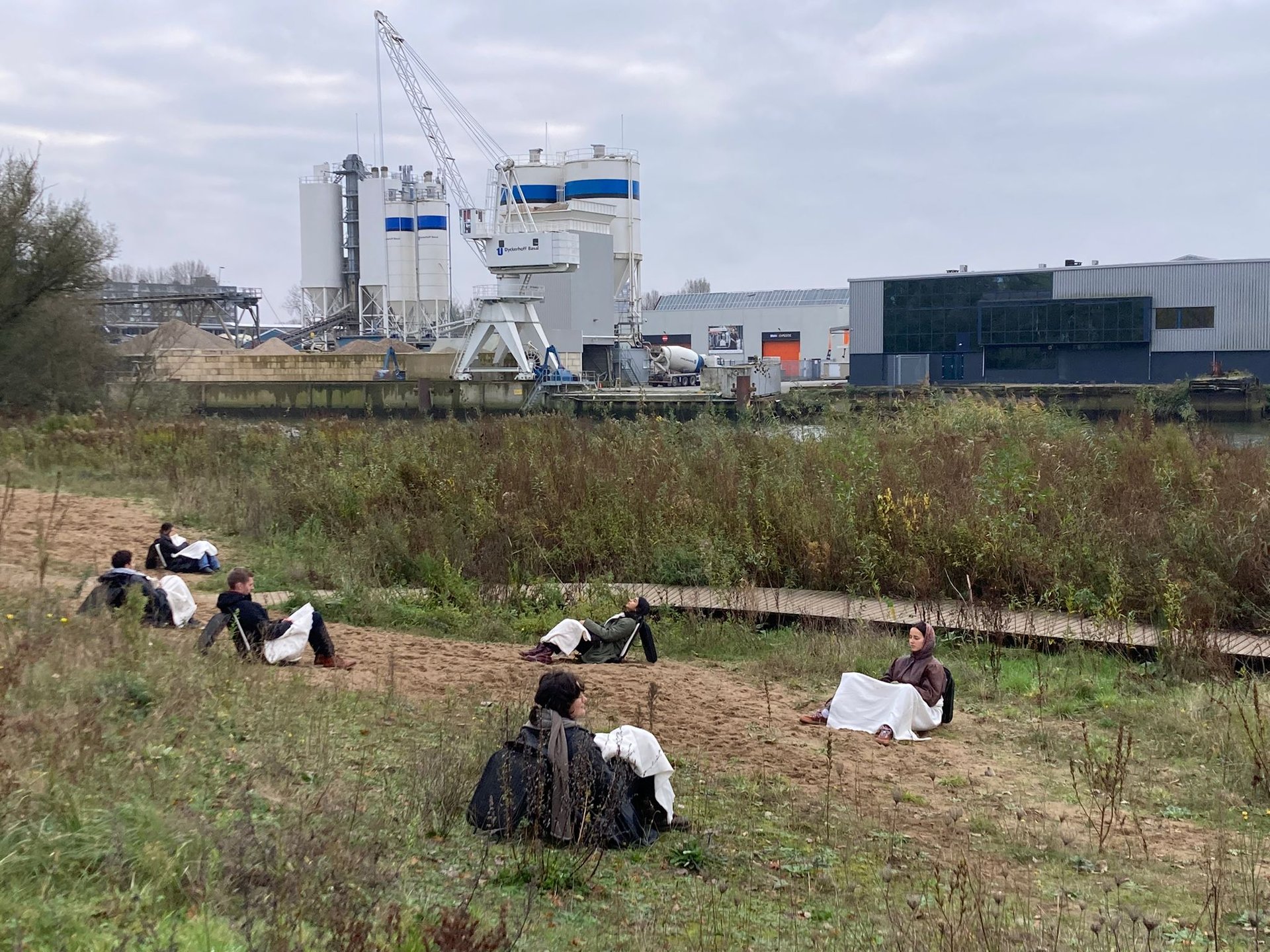
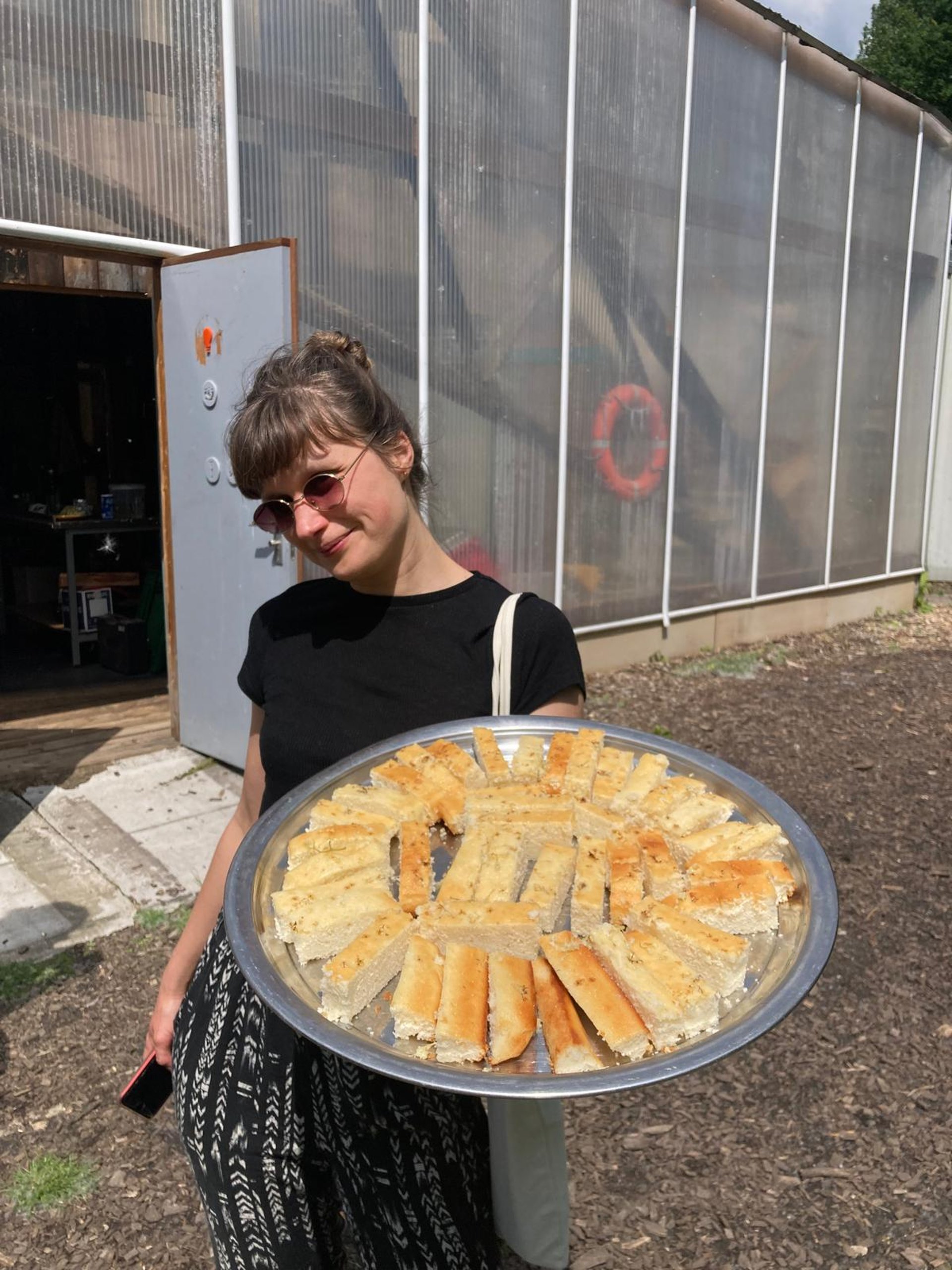
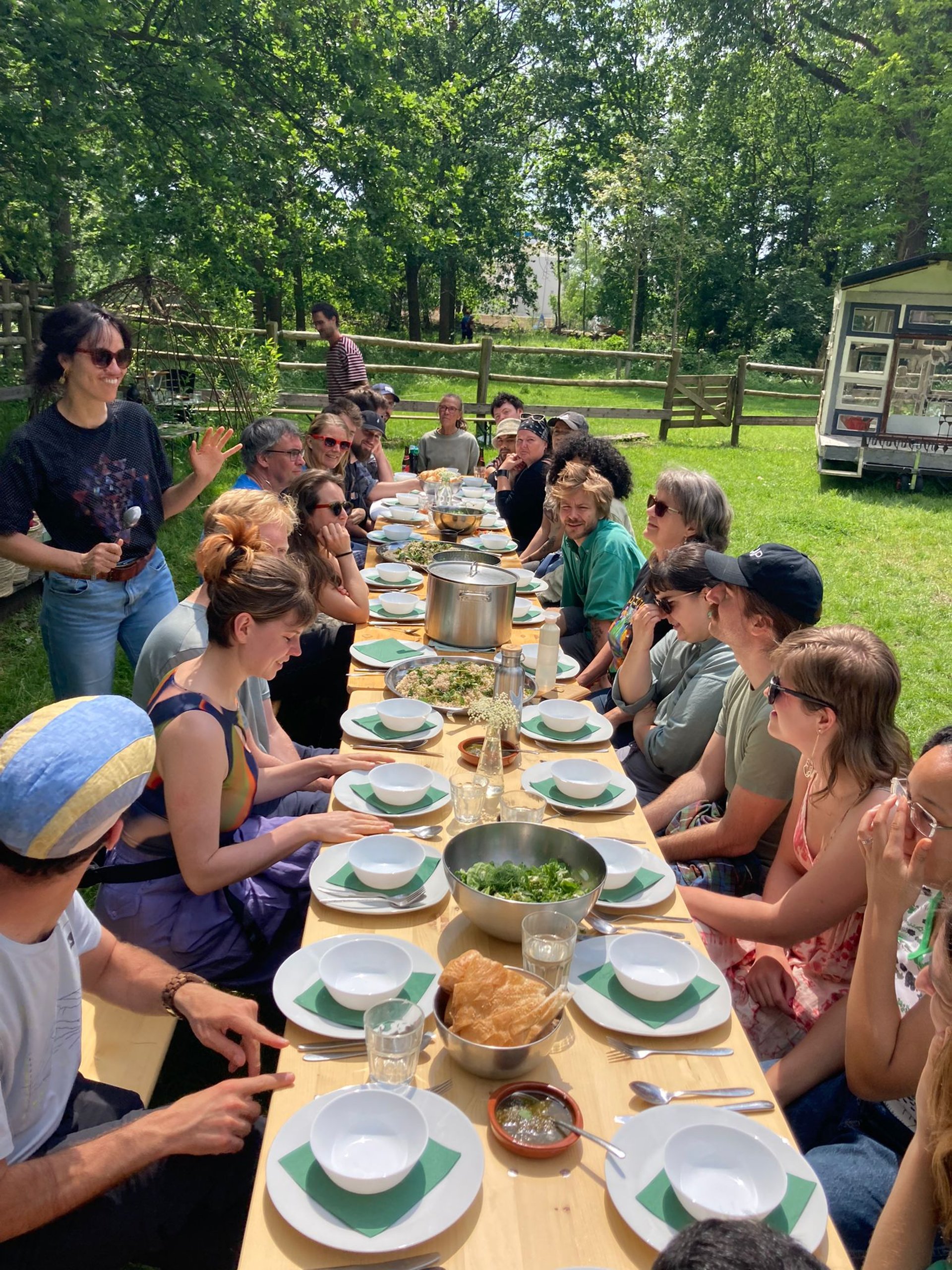
Island Ears is a collective research and artistic intervention project at/with the Brienenoord Island. This research looks closely at the history of this relatively young man-made urban island, with the long term aim to give it its own voice and eventually its own rights as a natural park. For this, Clara Harmssen, Ishtar Bakhtali, Maurice Specht and Vlada Predelina have been thinking about being together with the island, through eating, observing, feeling and listening in order to find ways to amplify its voice, its story and its hopes for the future.
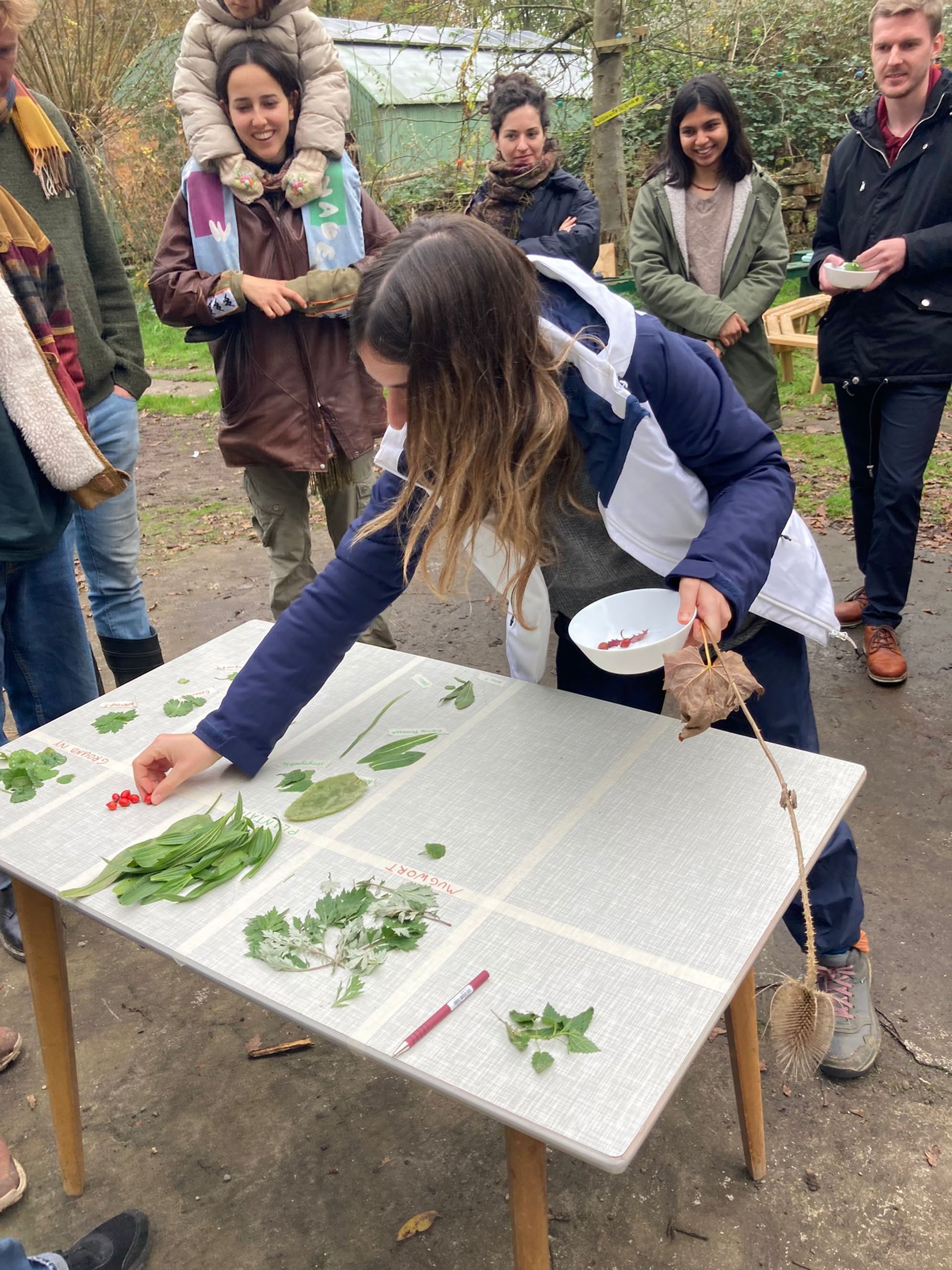
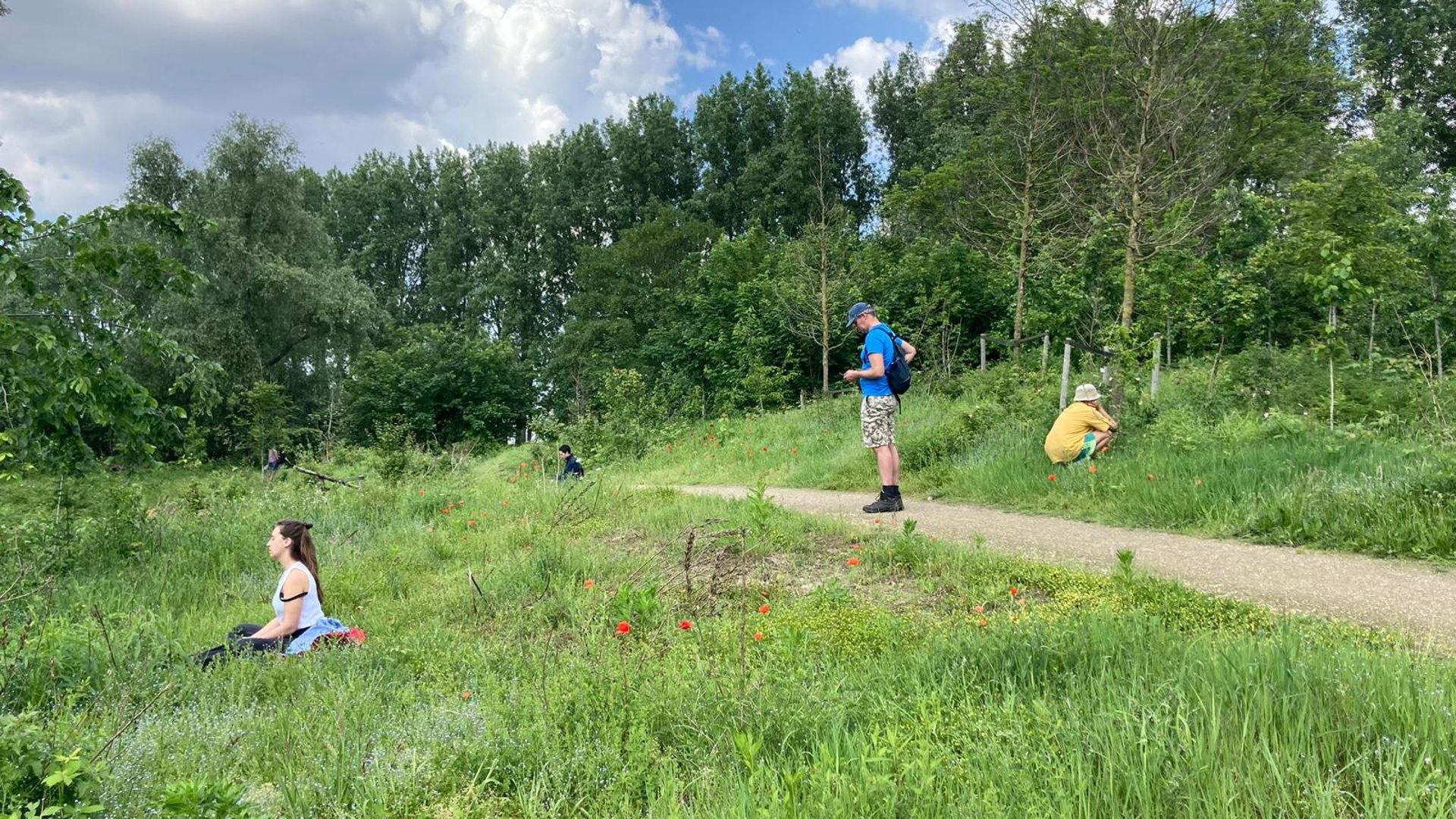
During the period of a year 2024, we organised free public events at Buitenplaats Brienenoord, Rotterdam. These events were open for everyone to join us for a day of foraging sounds, tastes, histories and futures. We provided the tools, so that anyone could be a researcher alongside us, with the emphasis on deep listening, observation and opening of the senses. These were whole day events with lunch provided by us and the island.
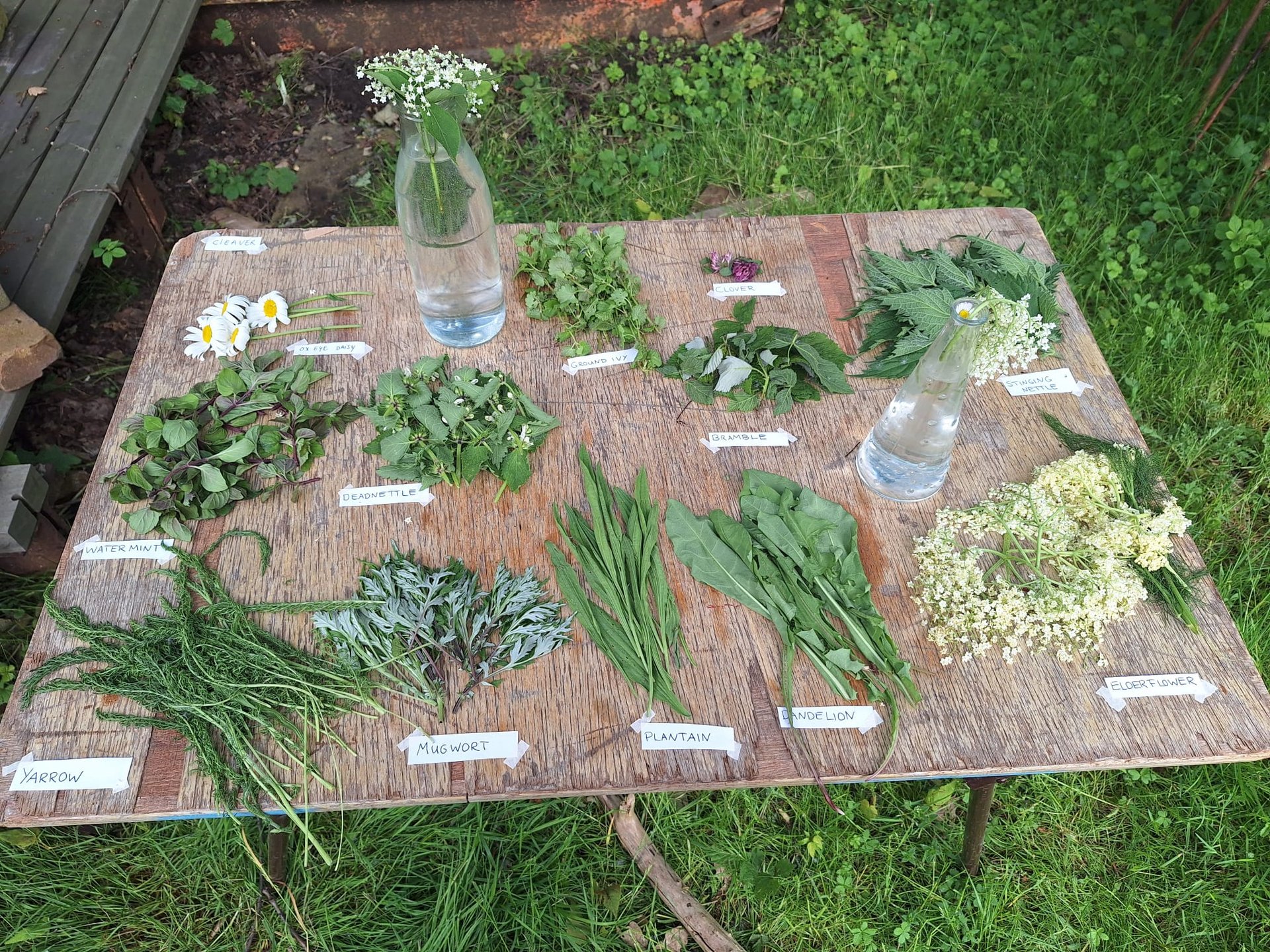
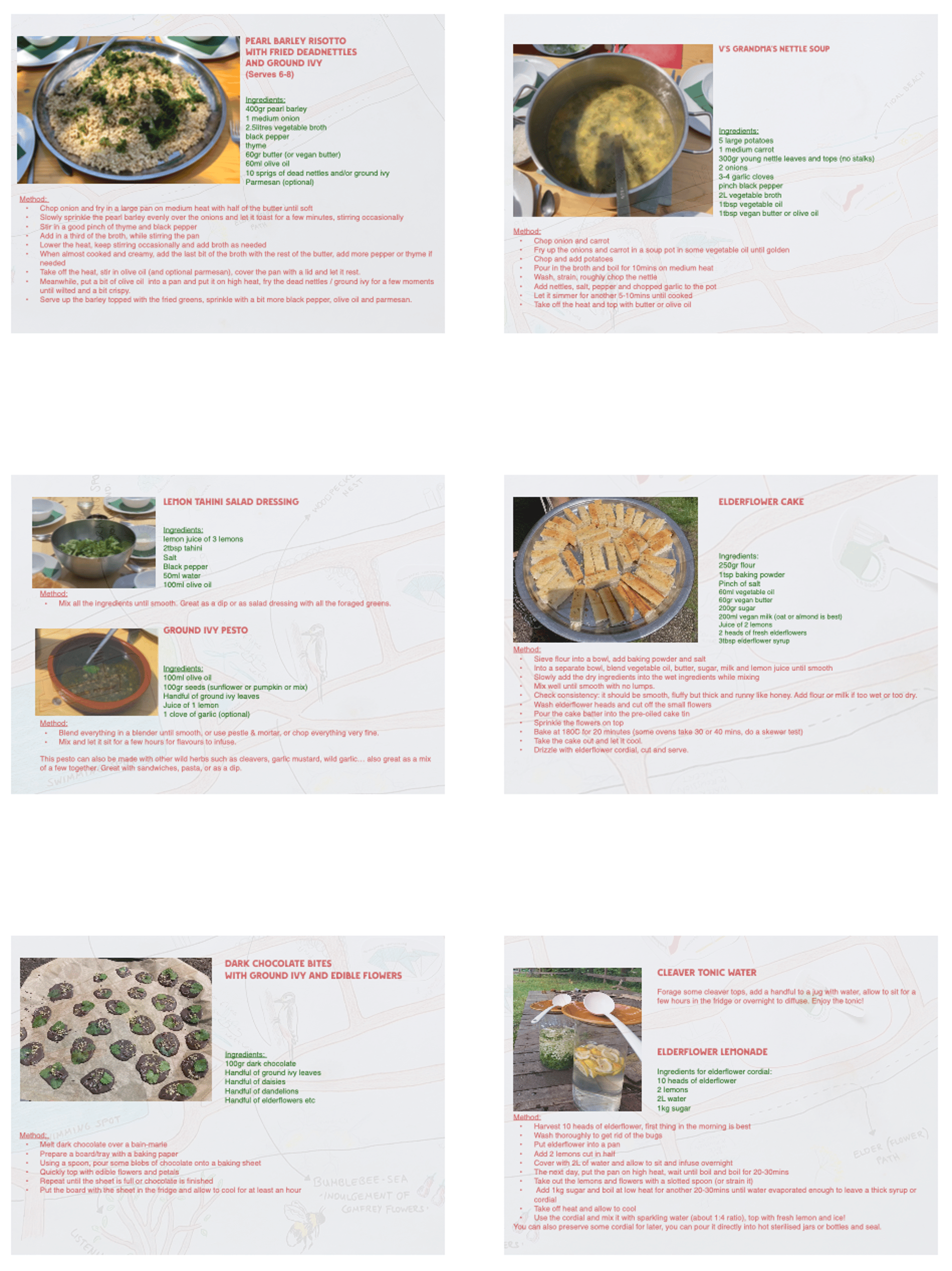
Exercises included: foraging wild tea herbs and edible plants, making recipes from collected plants, dérive mapping, drawing maps to locate plants, sounds, birds or unusual points of interest, deep listening, using zoom and underwater microphones for recording sounds to make collective sound piece.
Island Ears project has paved the path for the Buitenplaats Brienenoord towards becoming a Zoöp. The Zoöp project was started in 2022 by the Zoönomic Institute (in connection with Nieuwe Instituut) which underlines the necessity to move away from a human-centric worldview towards embracing a broader perspective that includes all life forms. An organisation becomes a Zoöp by adding a person with a special function: a Speaker for the Living. First of all, the Speaker is a person with a good ear and eye for the interests of other-than-human life in the operational sphere of the Zoöp. The Zoöp approach underlines the necessity to move away from a human-centric worldview towards embracing a broader perspective that includes all life forms. Since 2025 Buitenplaats Brienenoord is a Zoöp.
Project supported by Stimuleringsfonds Creatieve Industrie.
Tuin Lab - Tuin Club
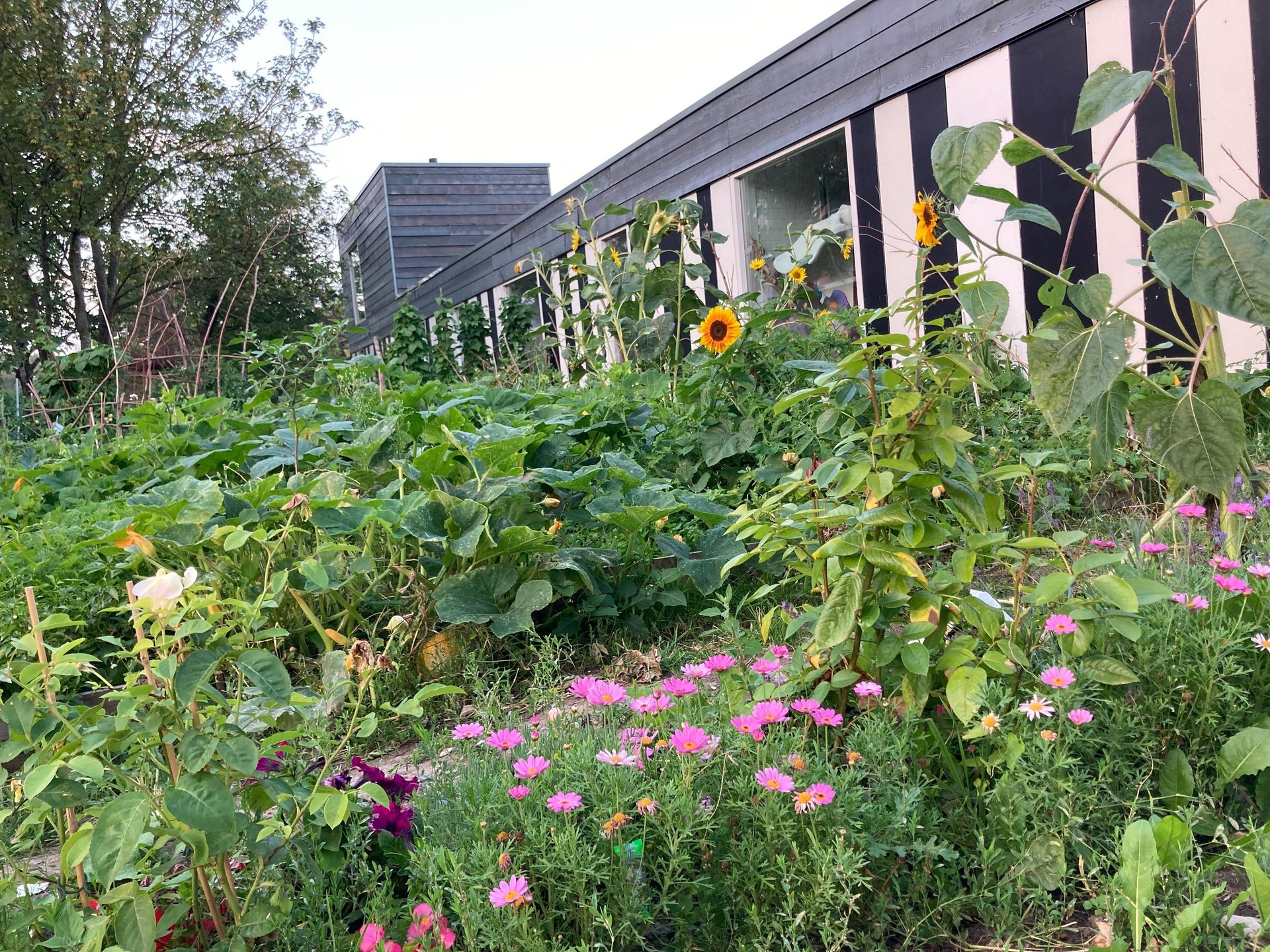
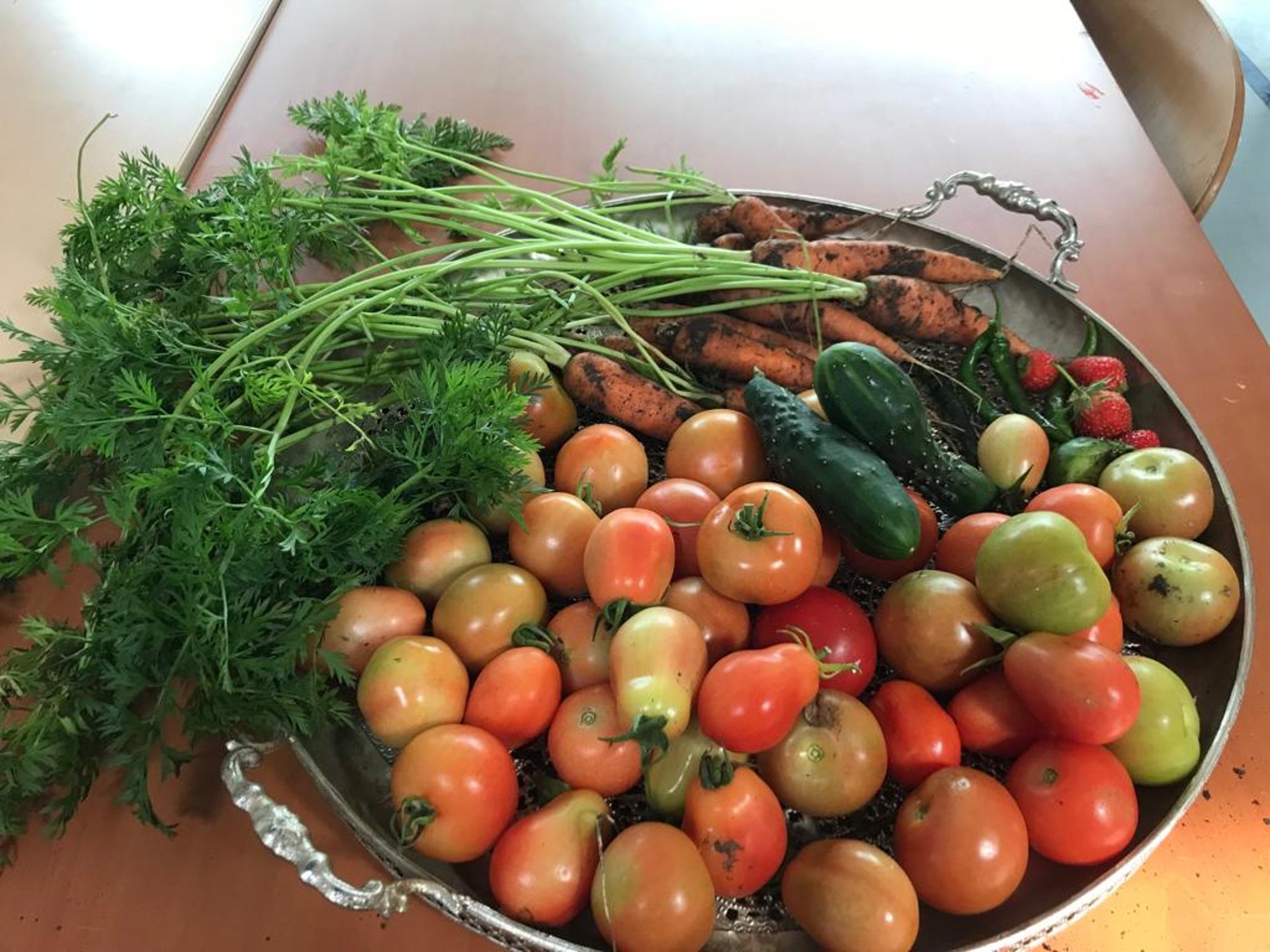
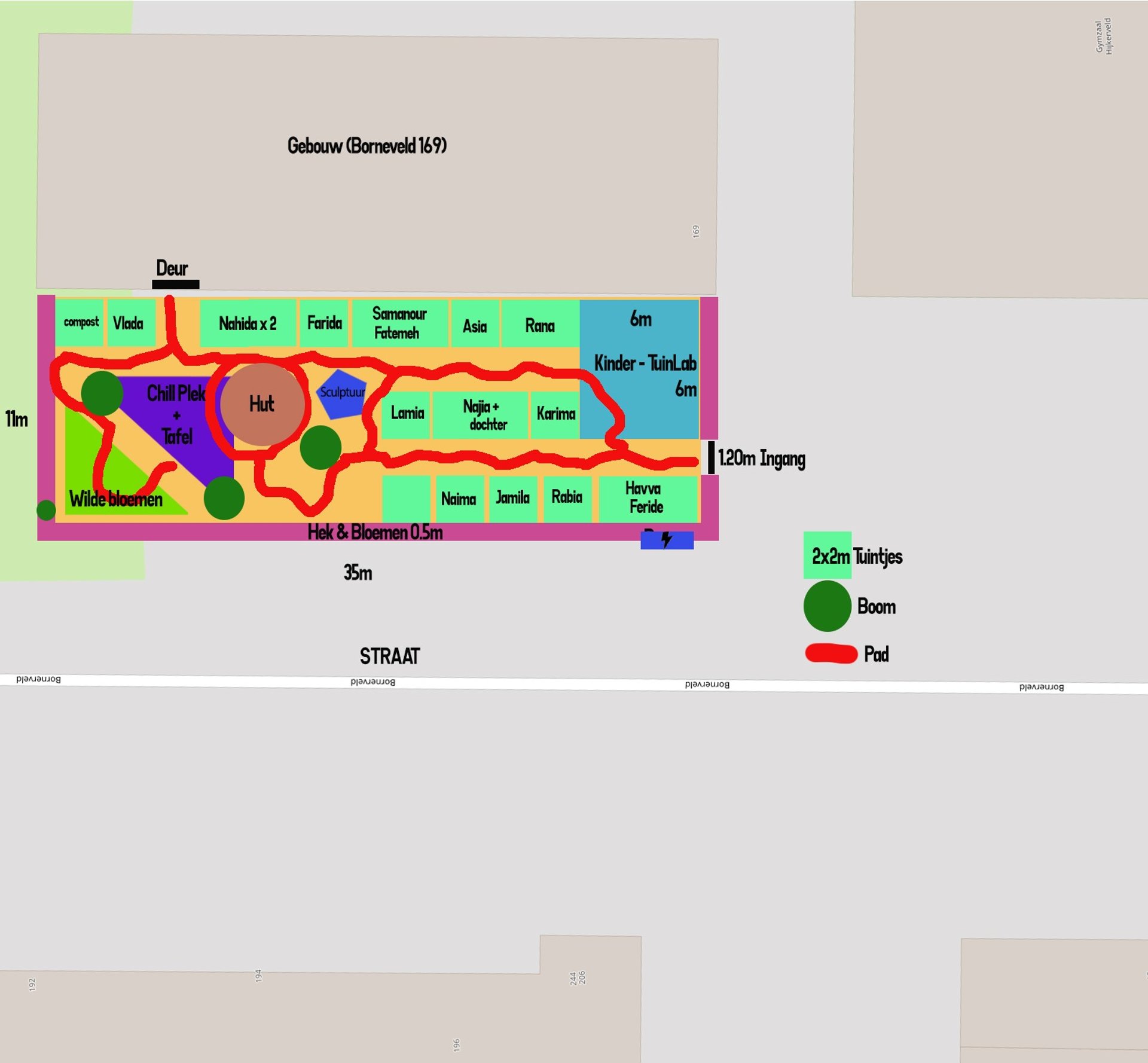
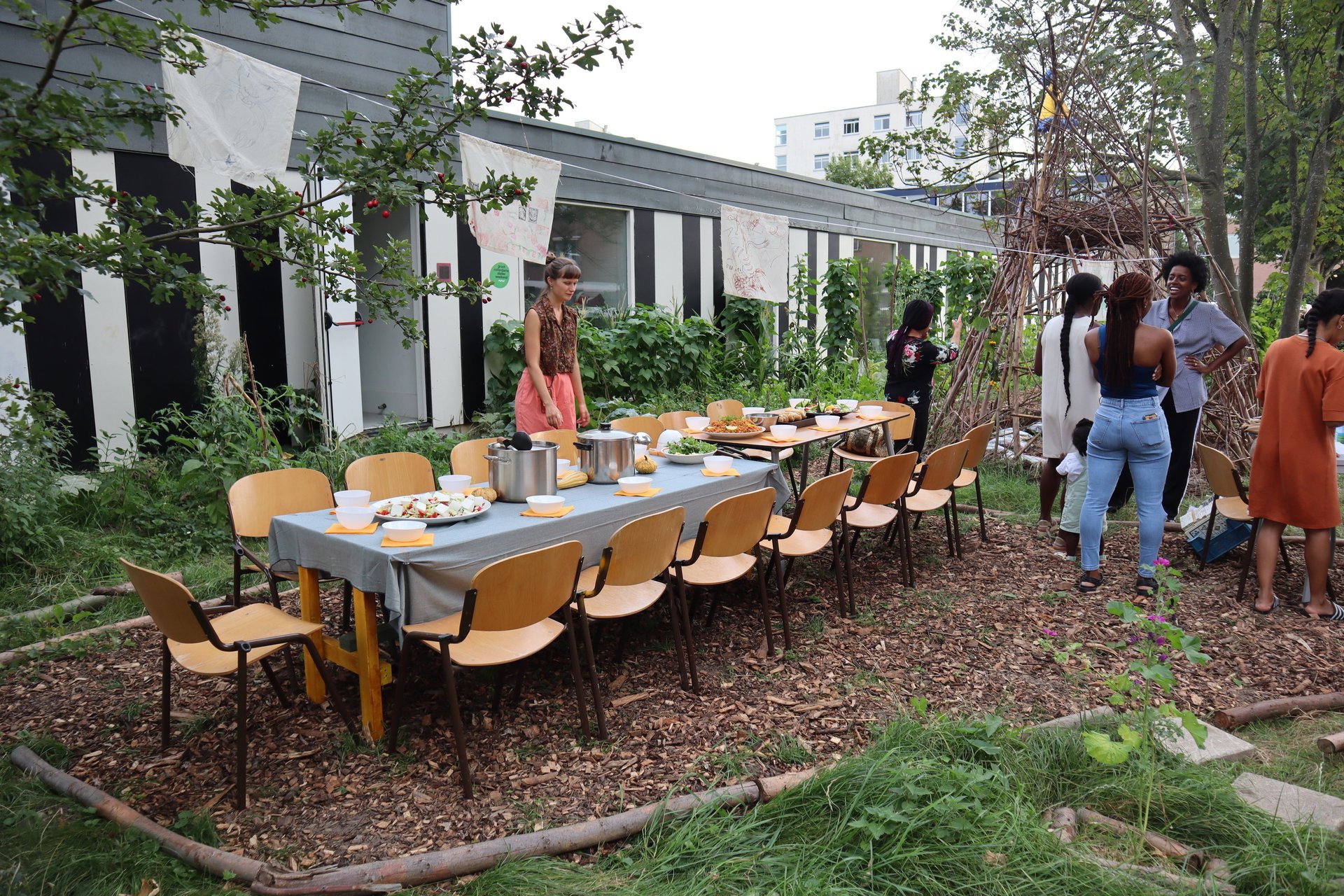
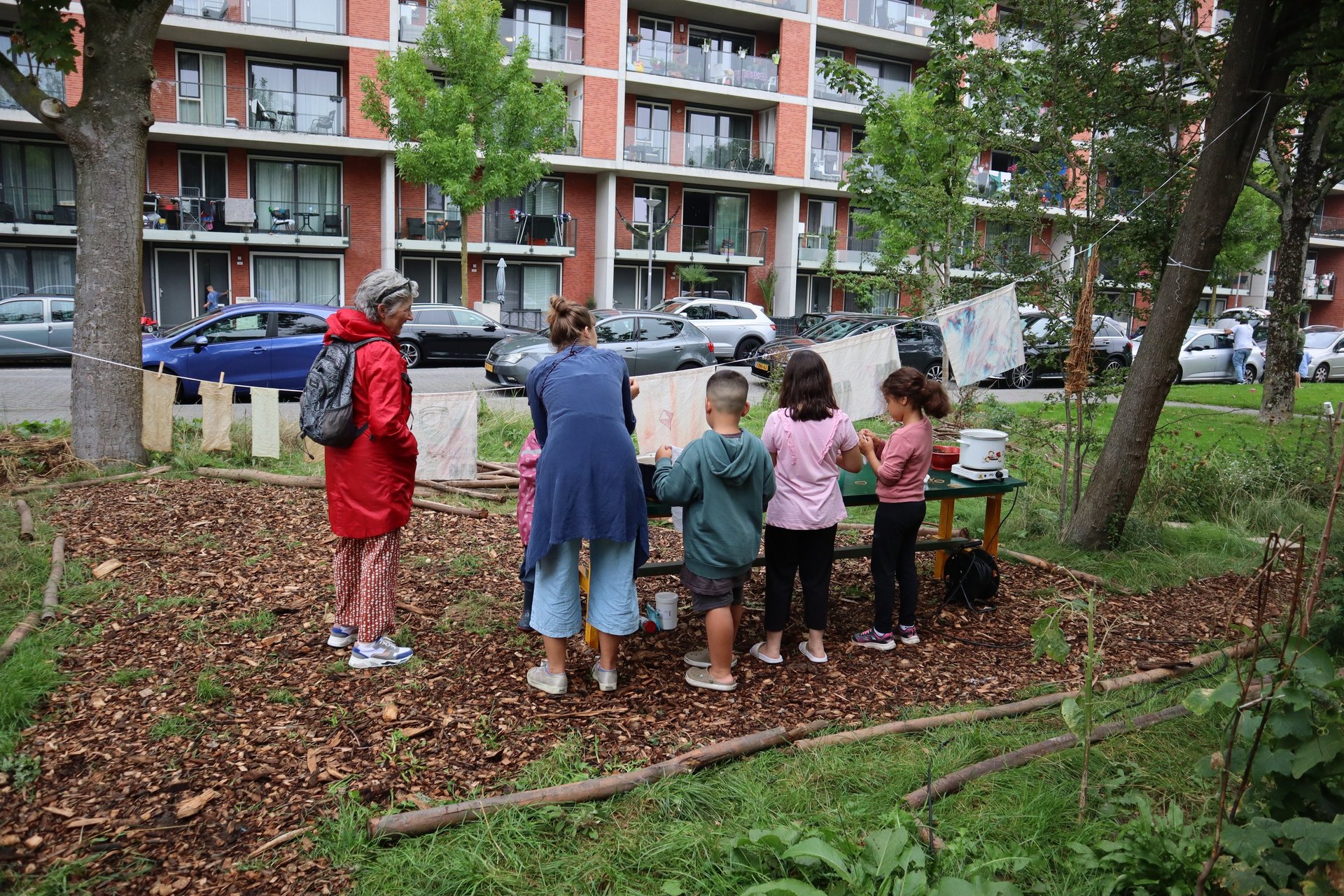
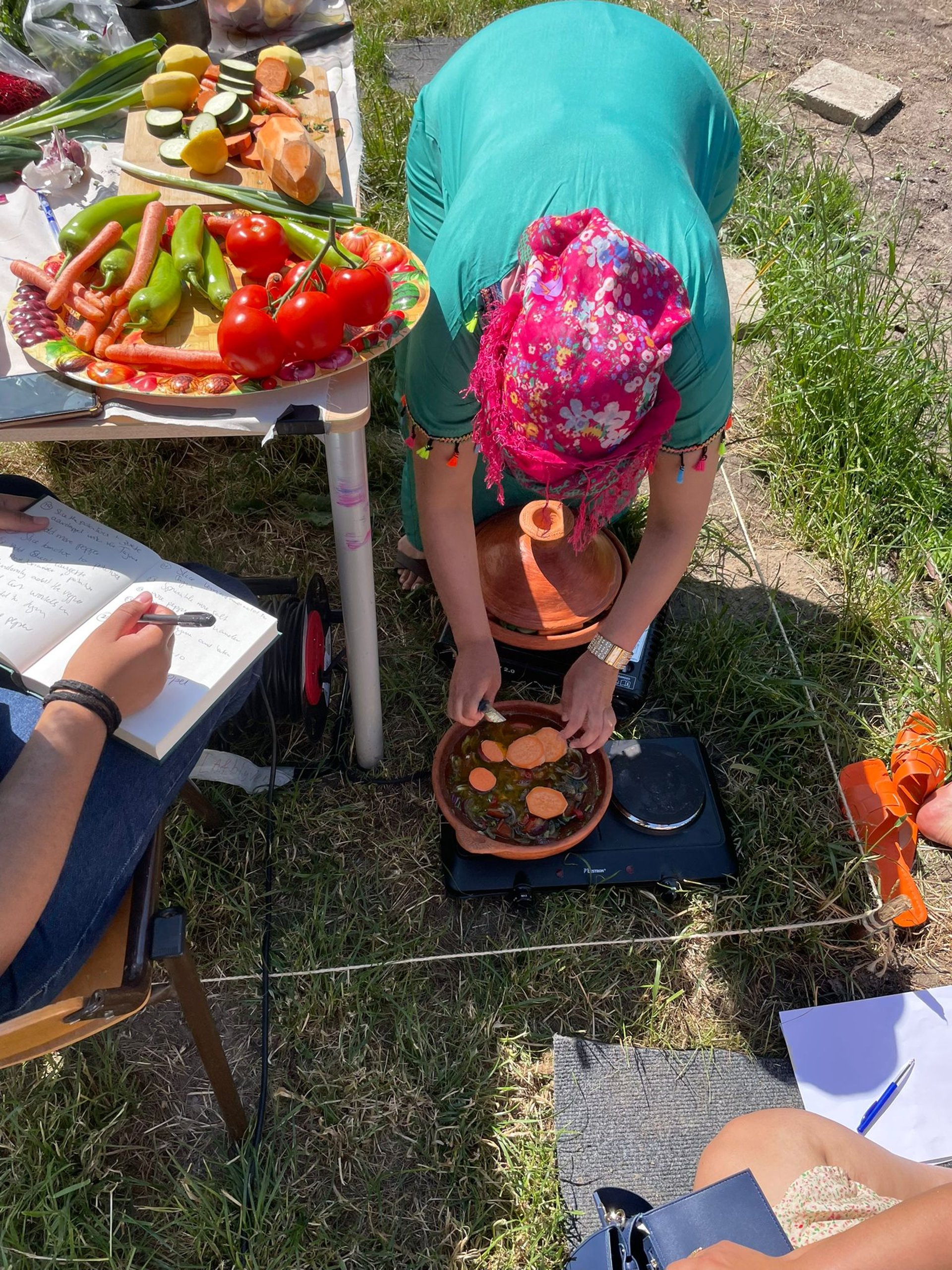
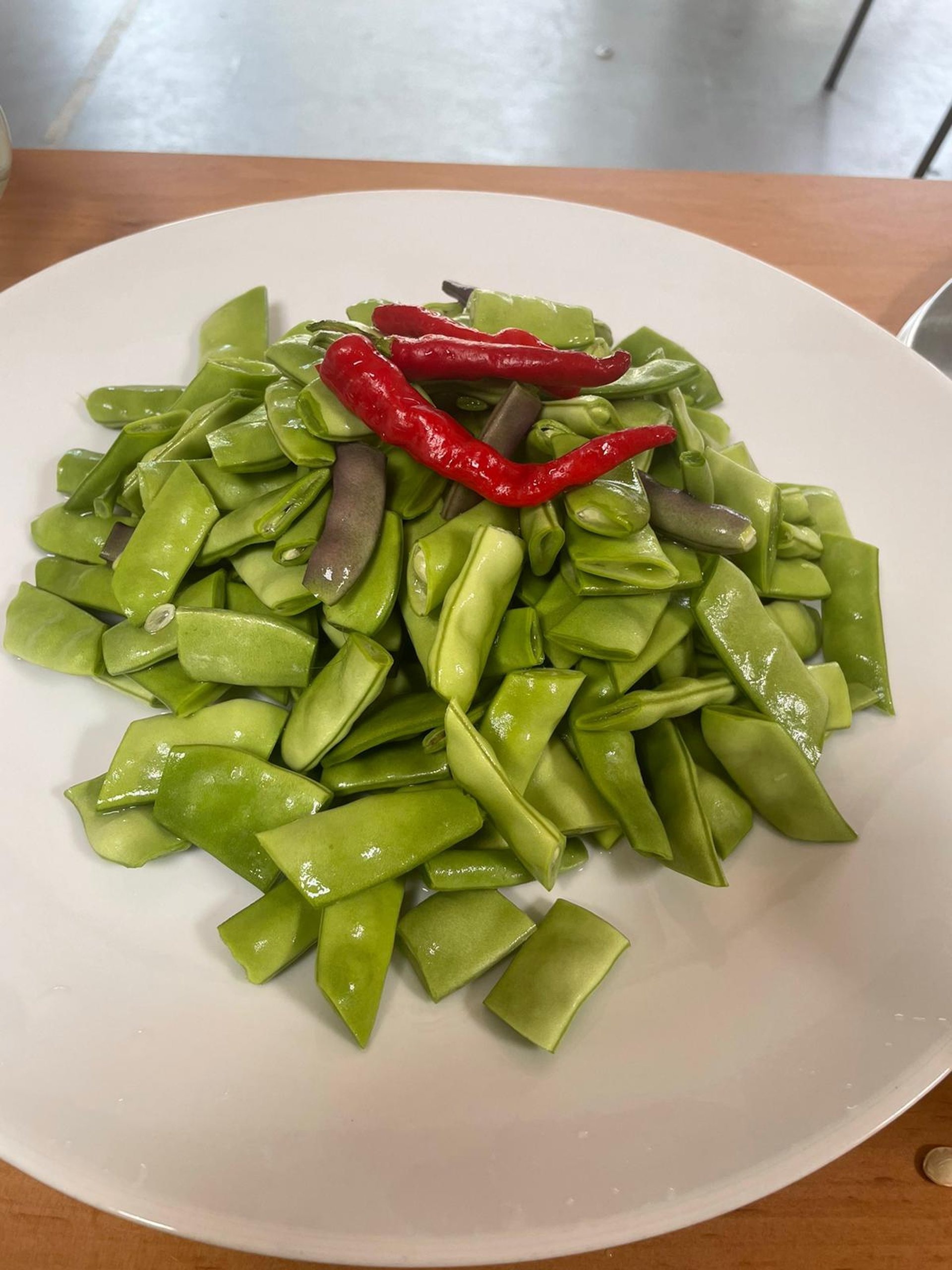
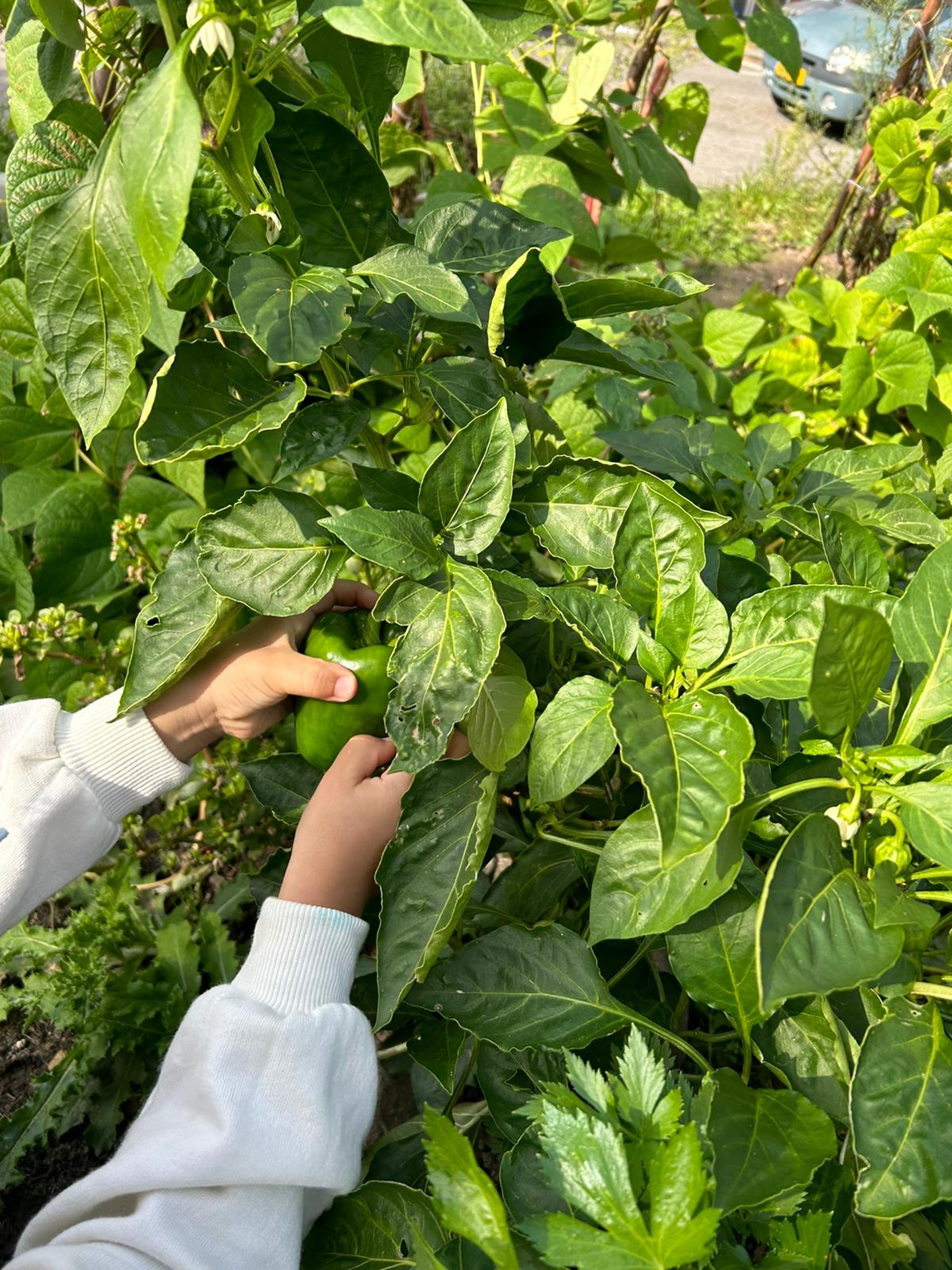
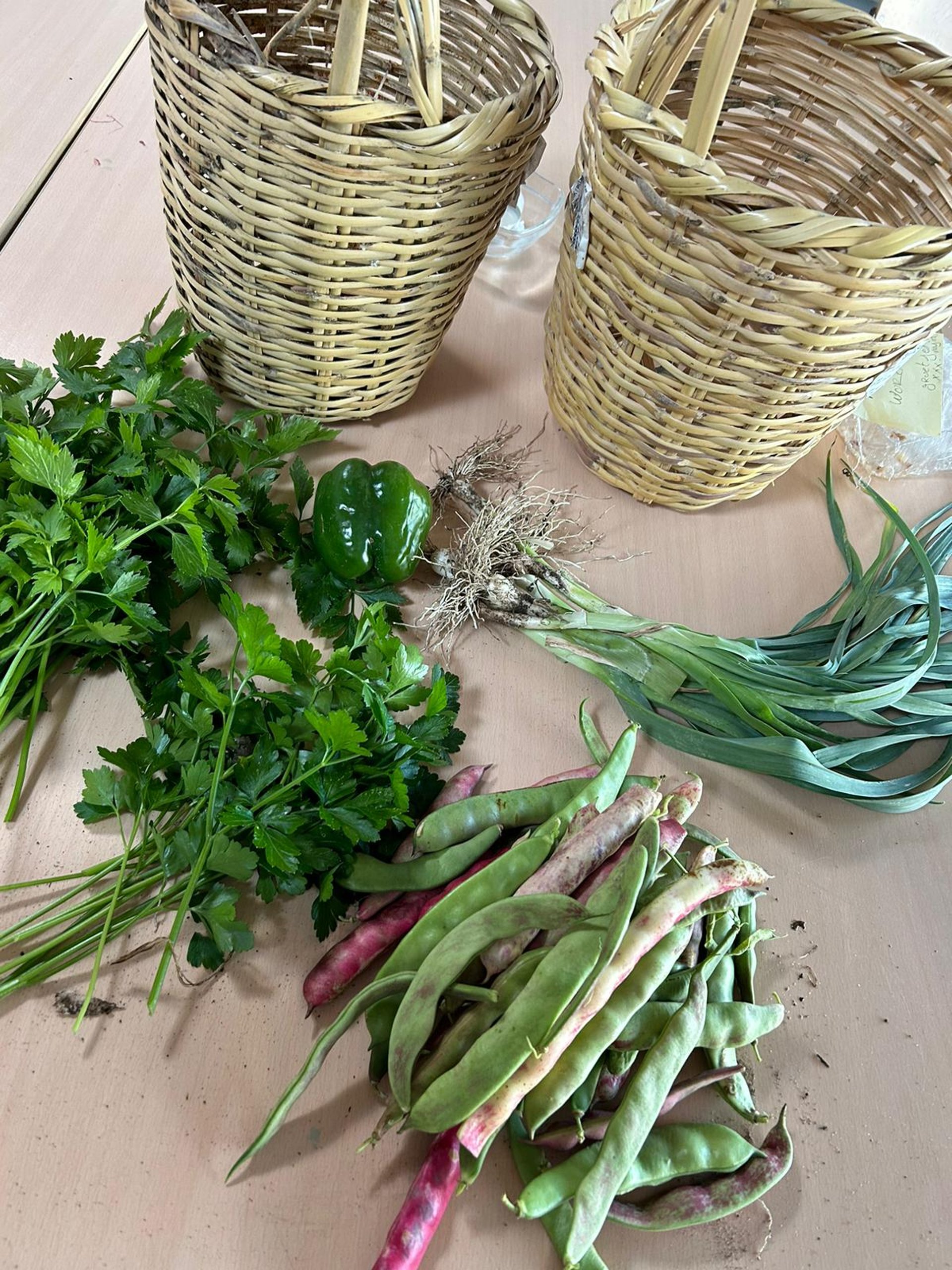
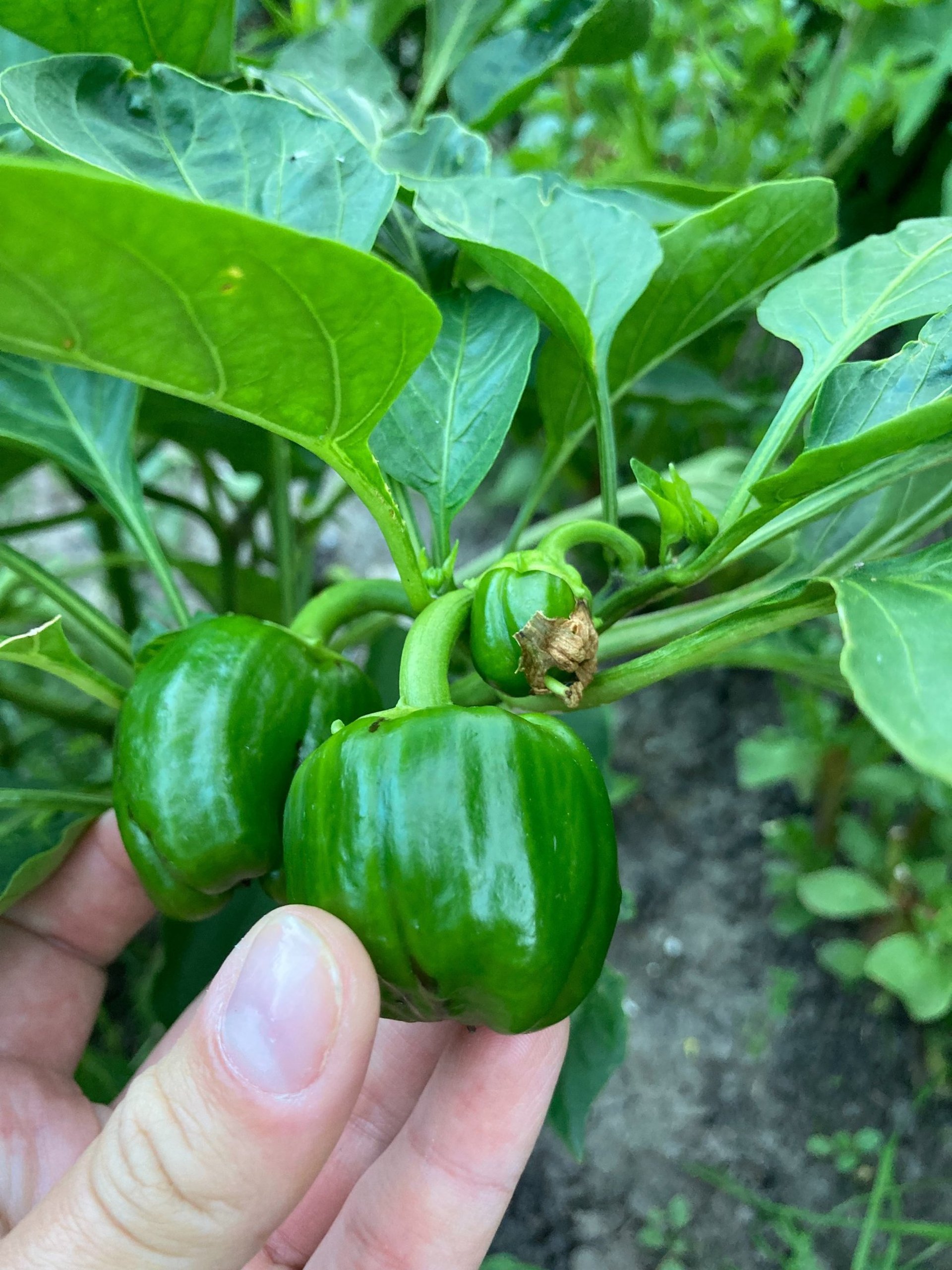
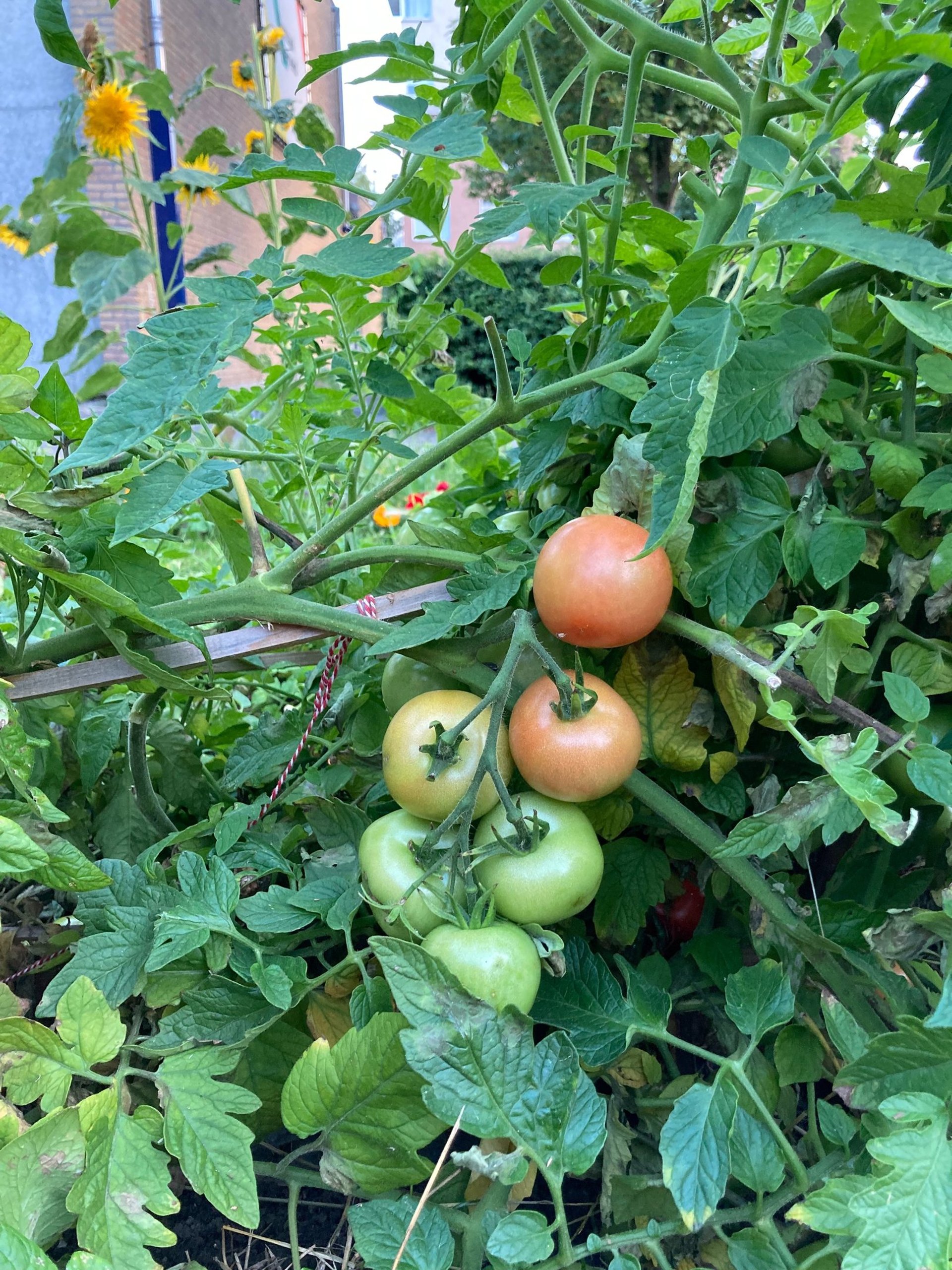
Tuin Lab - Tuin Club is a project initiated by myself and artists of the Atelier Bornerveld 169 building as part of the Kunstlab+buren Foundation. The small studio building in Zuidwijk has been active since 2017. Most artists associated with the building relate their practice to a greater or lesser extent to the neighbourhood and its residents, young and old. The project began as a conceptual framework for monthly activities during the Covid-19 lockdowns, the activities included local foraging walks, competition of growing herbs and tomatoes in pots on balconies, as well as making art activity packs and pamphlets for children with themes centred around nature and food.
After a couple years of these activities and ongoing conversations with the Municipality of Rotterdam, we were given the permission to turn the green strip next to the studio building into a collaborative garden in which artists work together with local residents and neighbouring school children. The aim of the garden was to create a space for learning and being together as well as for bringing closer the relationship with humans, plants and food. This is done through a set of activities and interventions in and around the garden such as grass-weaving or cooking. These function at a neighbourhood level but with a vision far beyond.
On a practical level, the garden was split into three sections to accommodate each strand of the project:
- an educational garden for local school children to grow vegetables and fruit with guidance;
- twelve individual 2m x 2m allotment plots for the residents of the neighbouring housing blocks to grow their own food;
- a leisure garden with wild plants for insects and a space for outdoor art workshops, gatherings and meals.
Project 2020 - ongoing at Kunstlab+buren.
Garden of Tongues
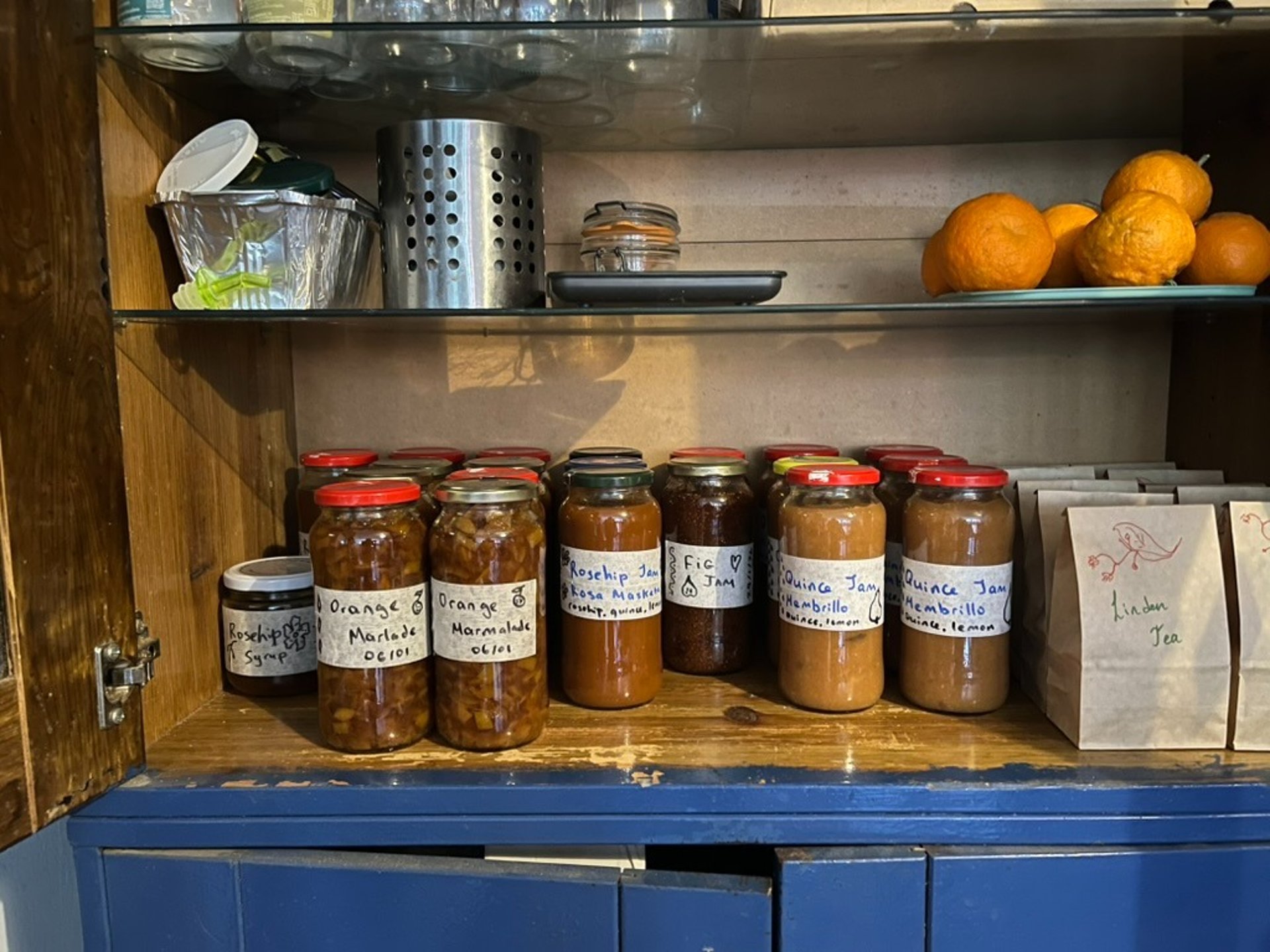
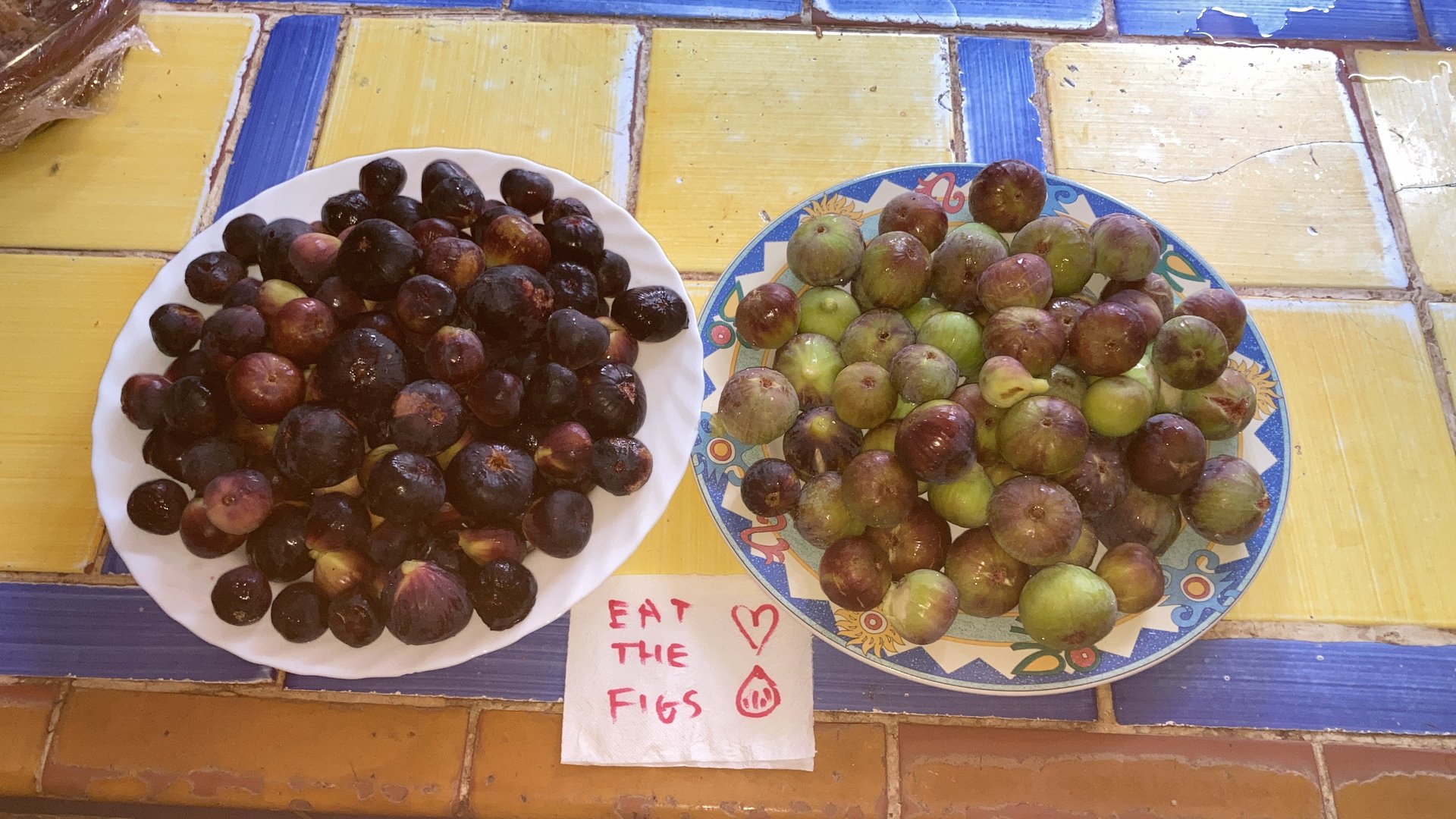
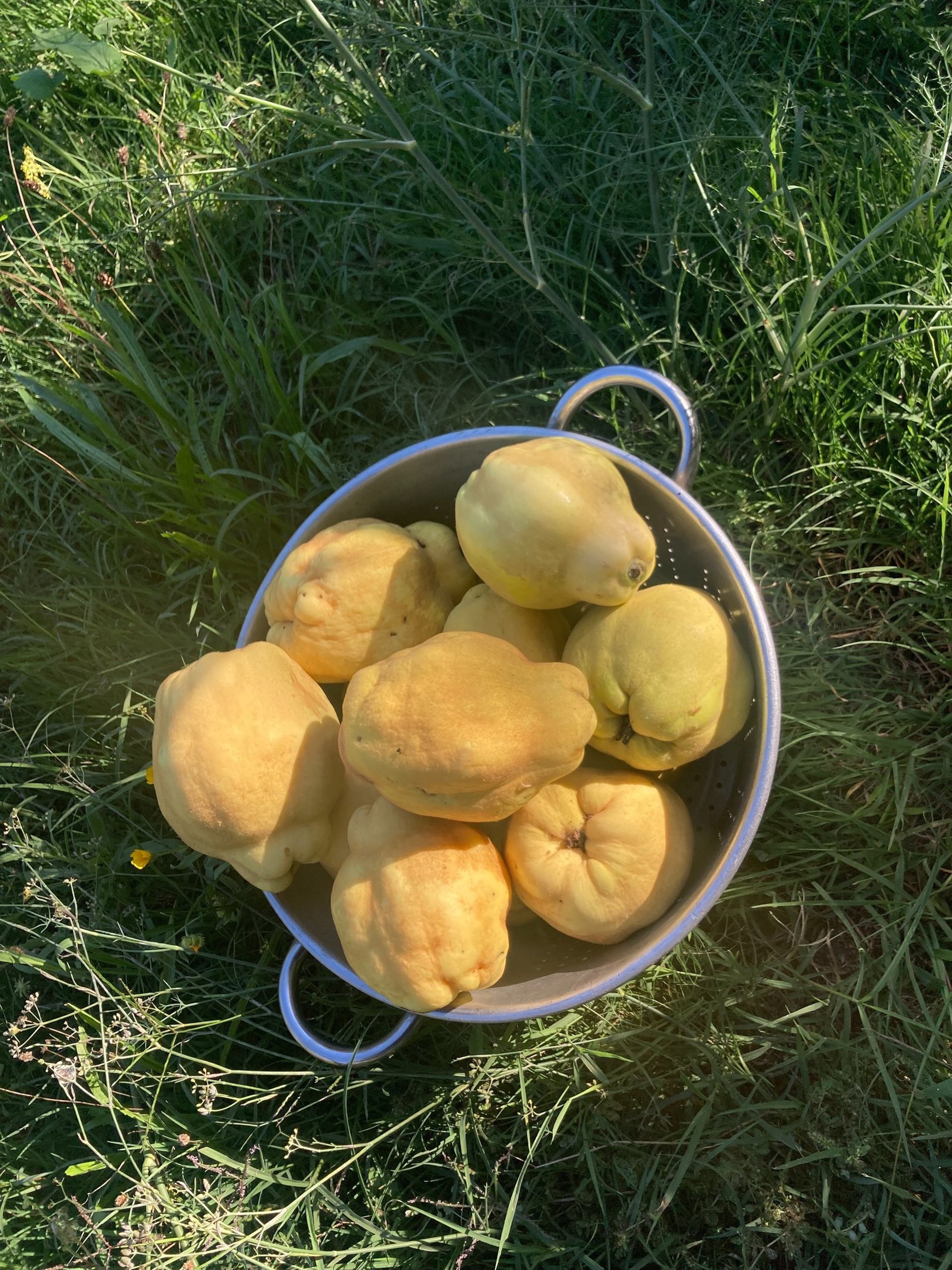
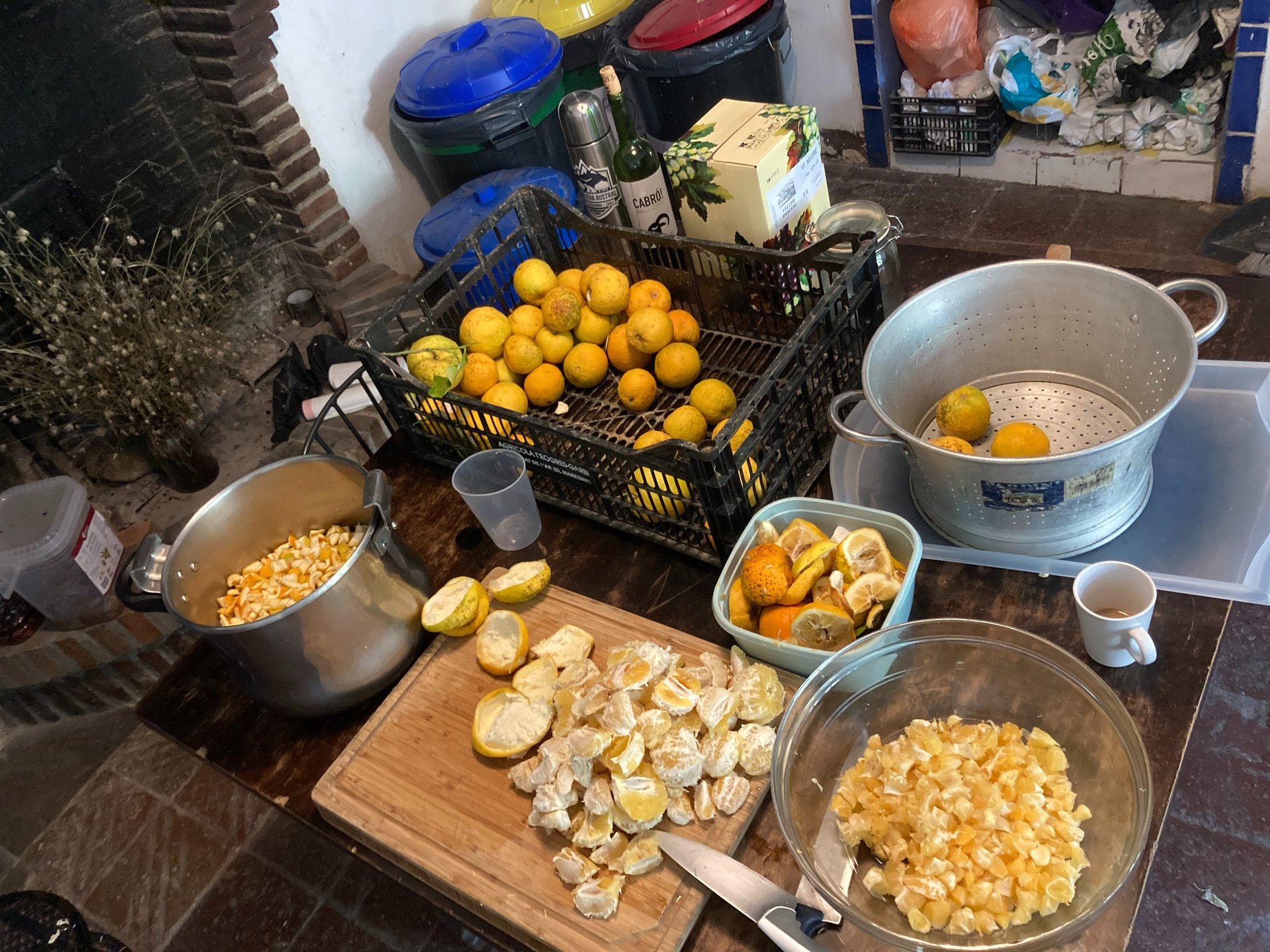
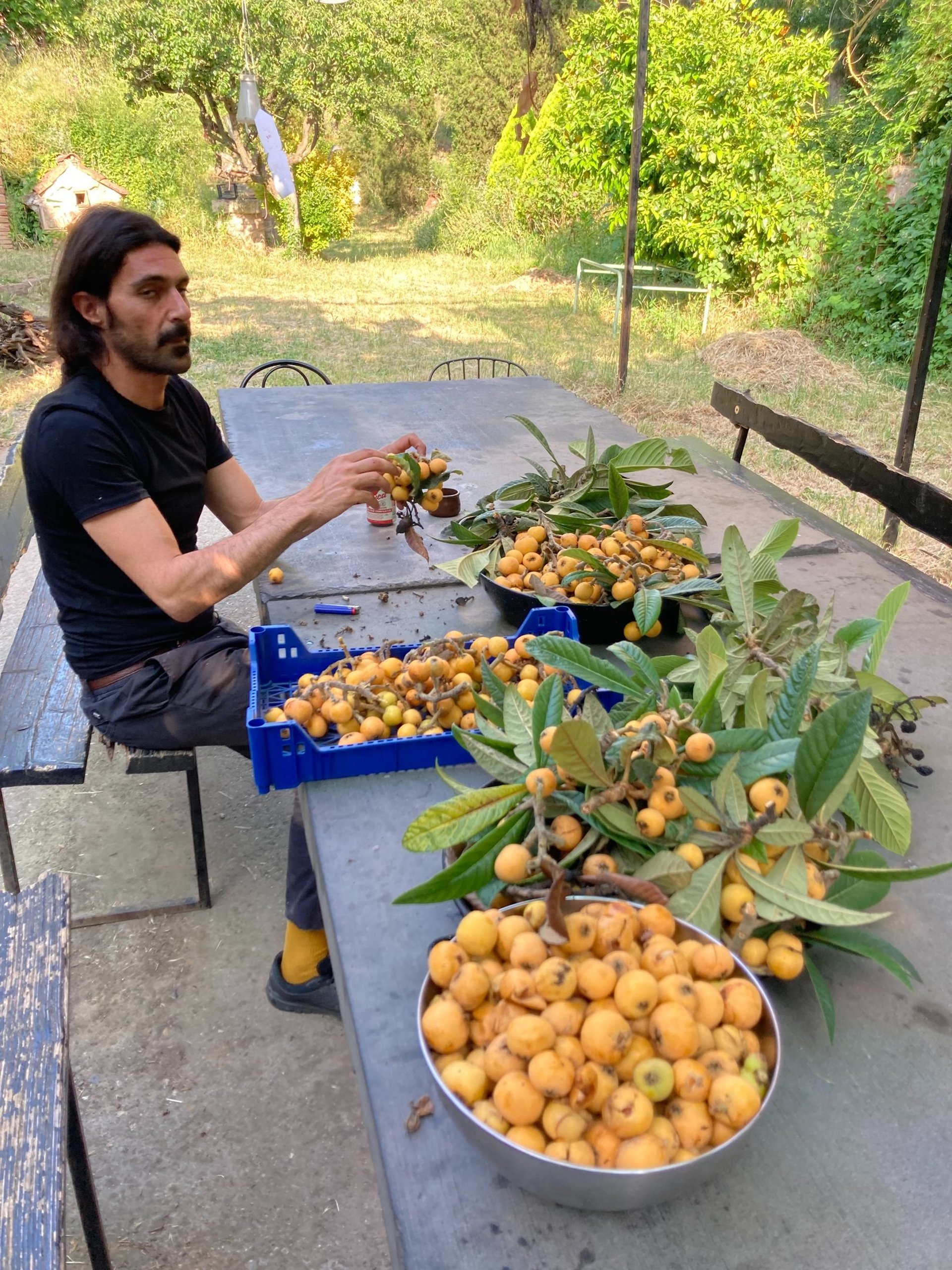
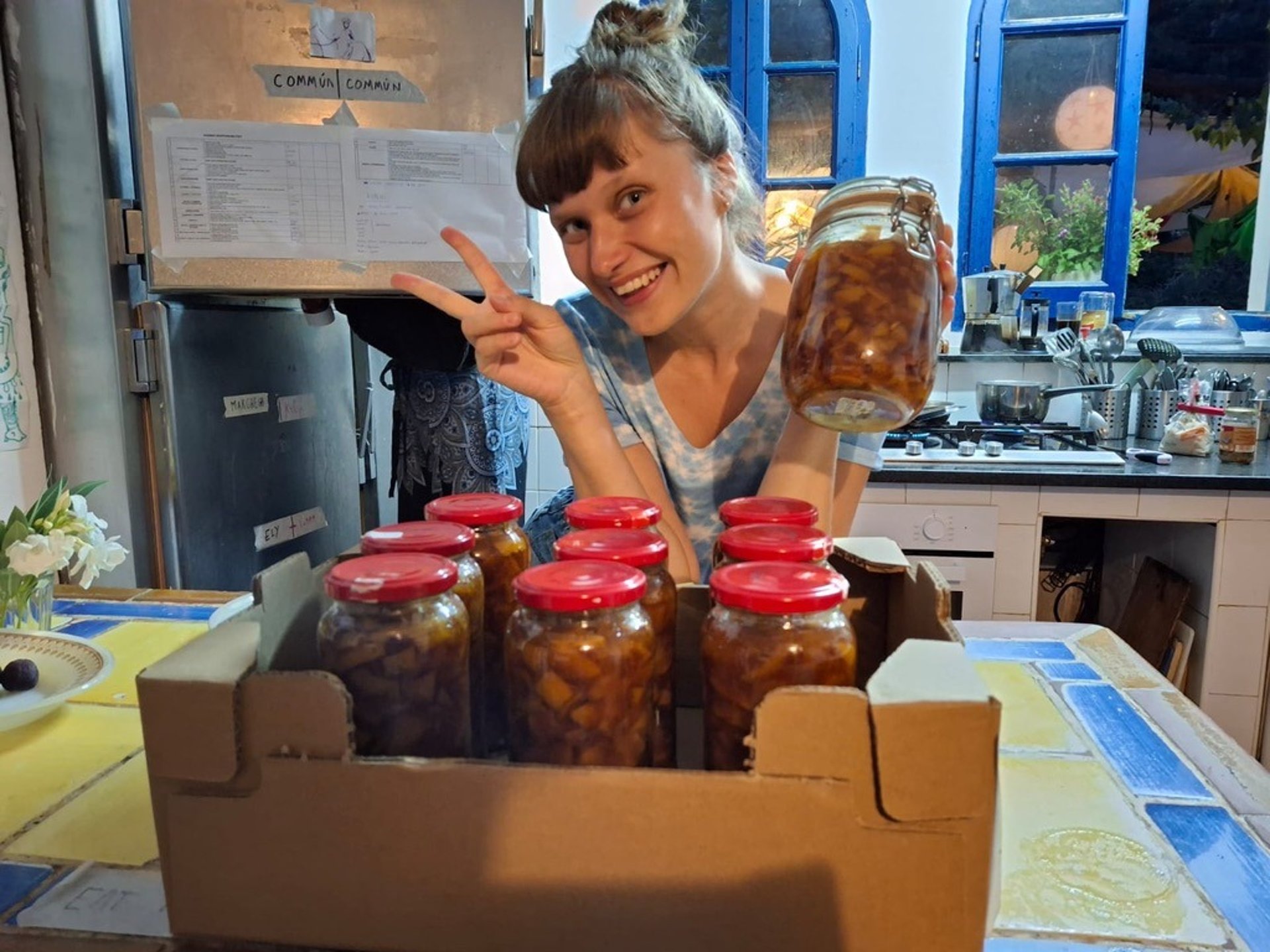
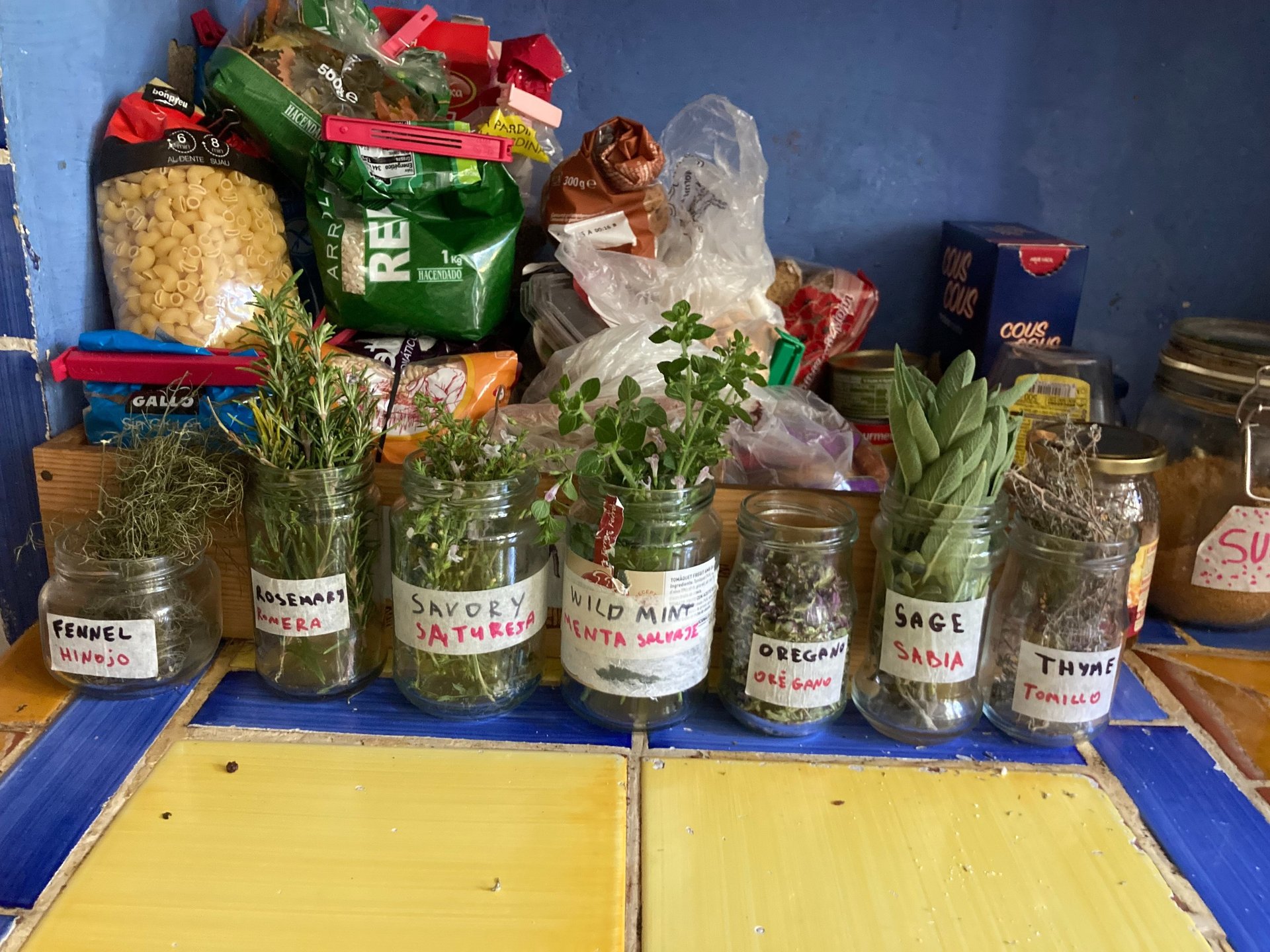
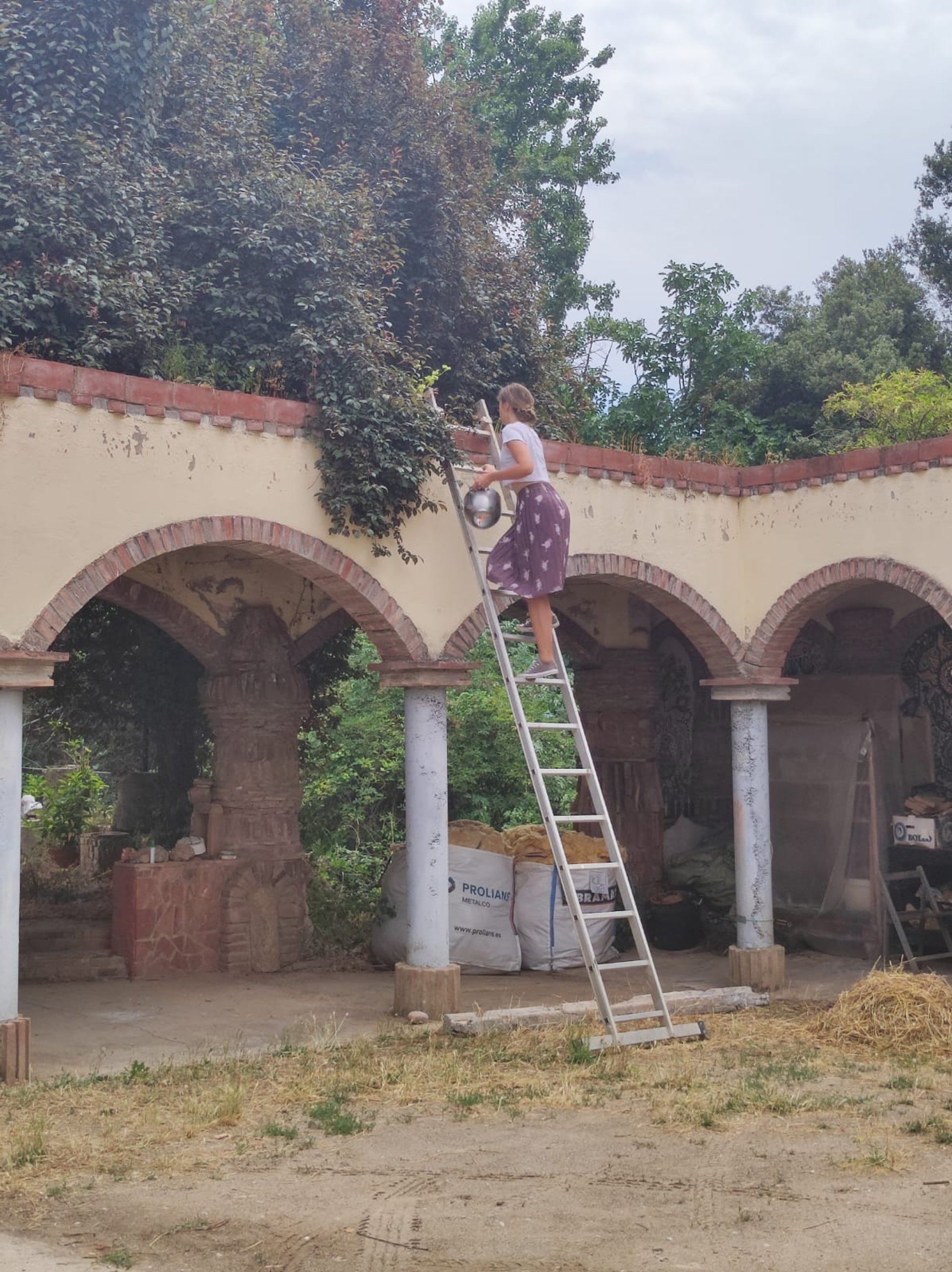
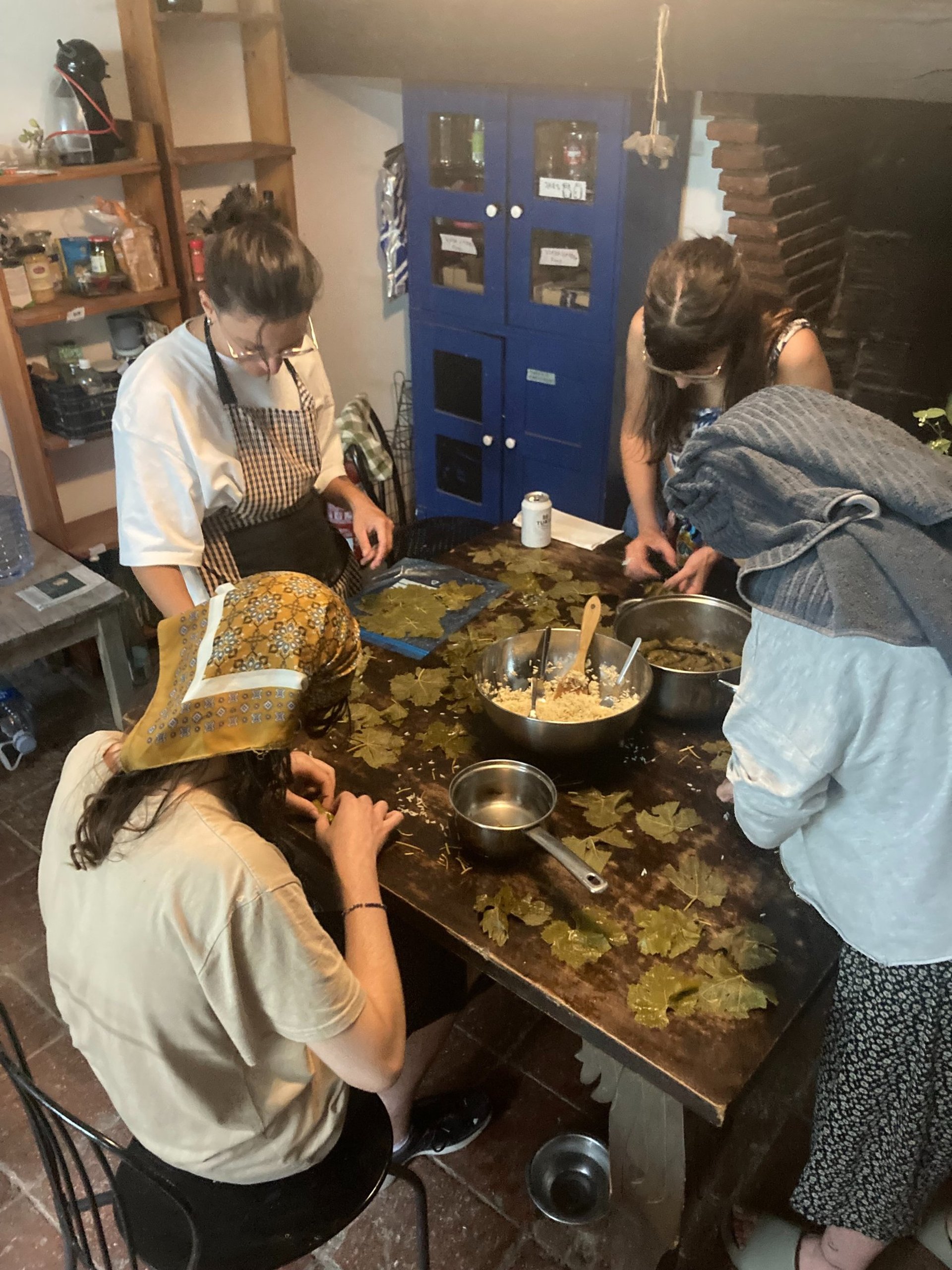
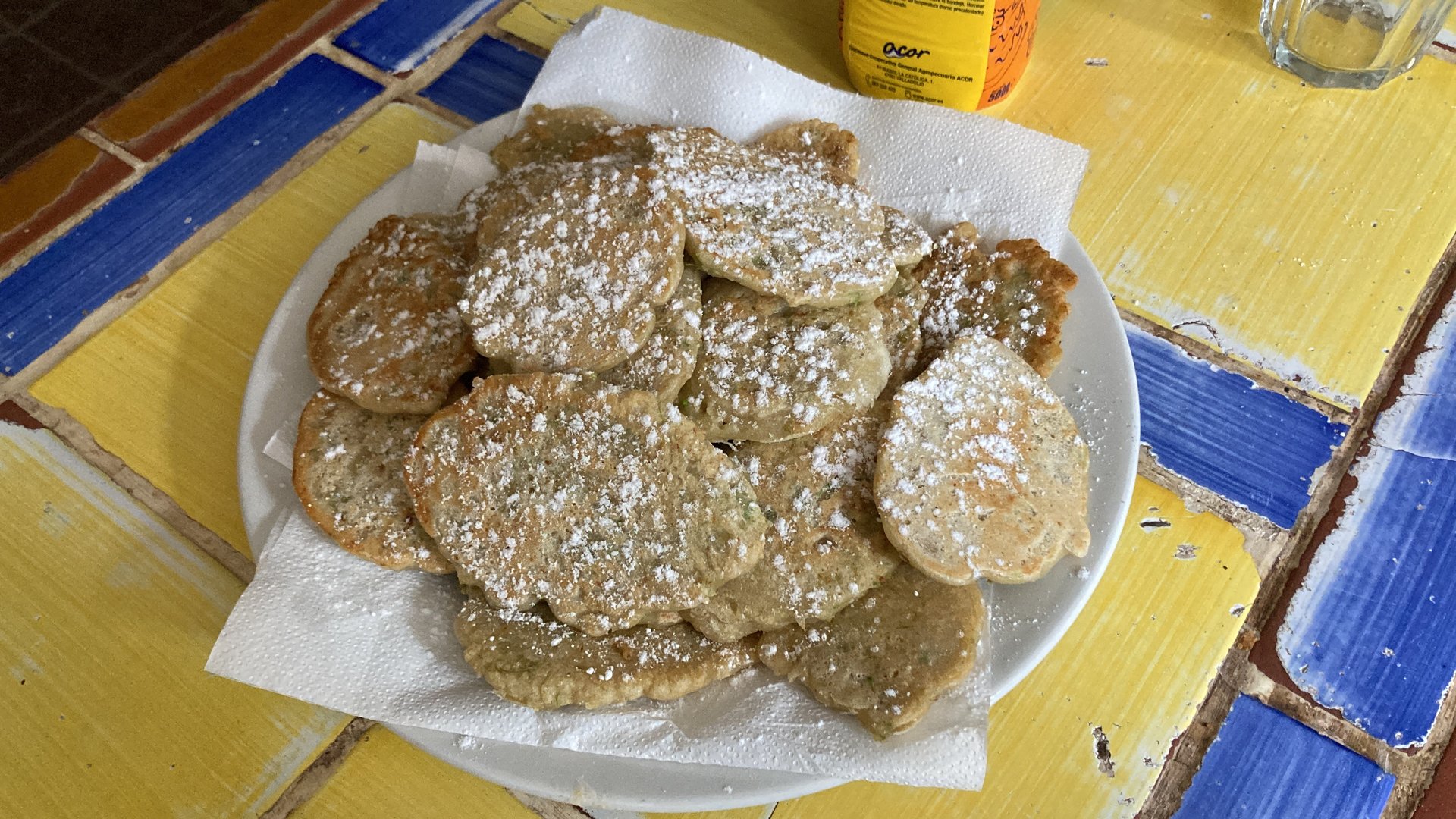
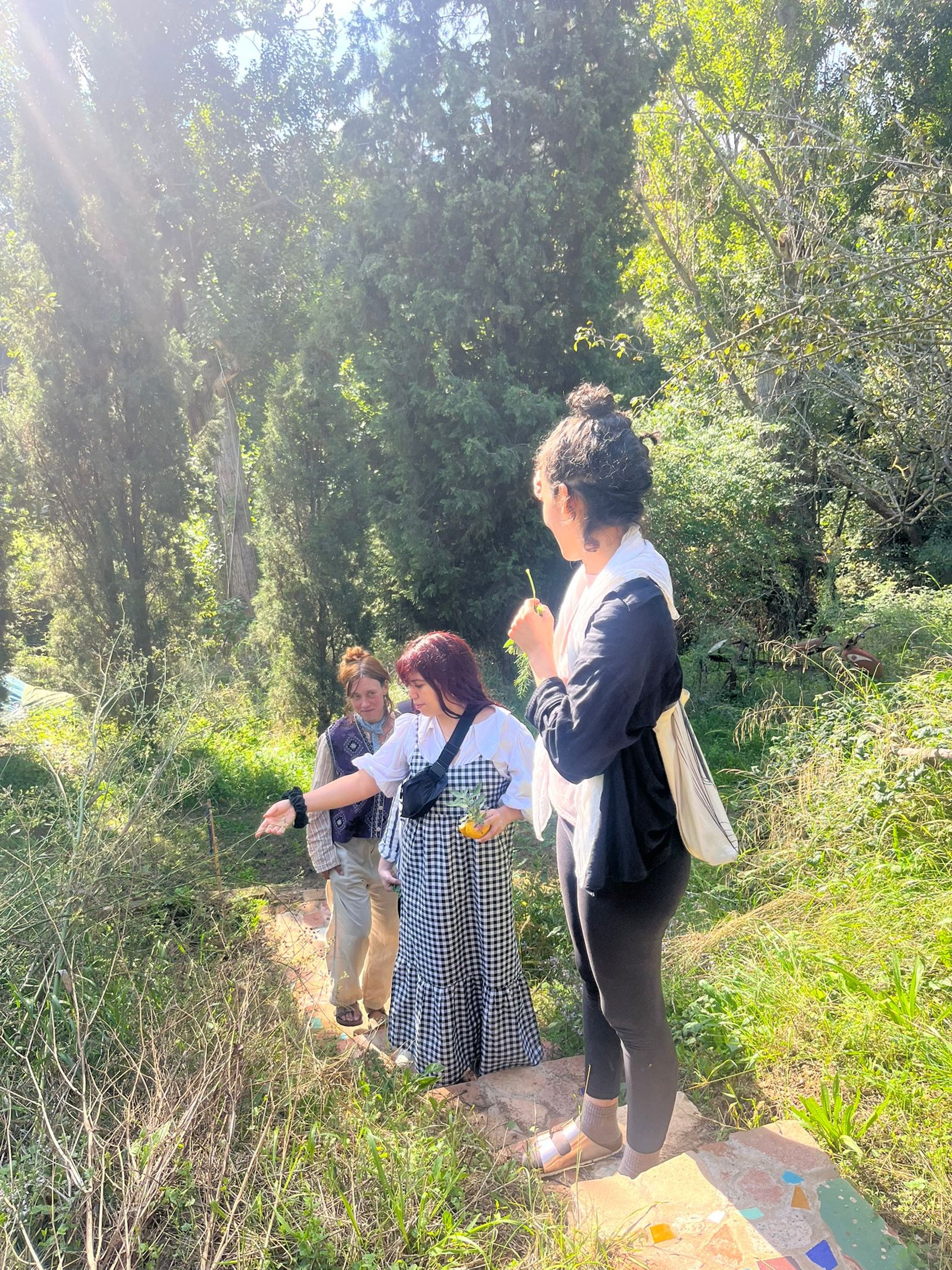
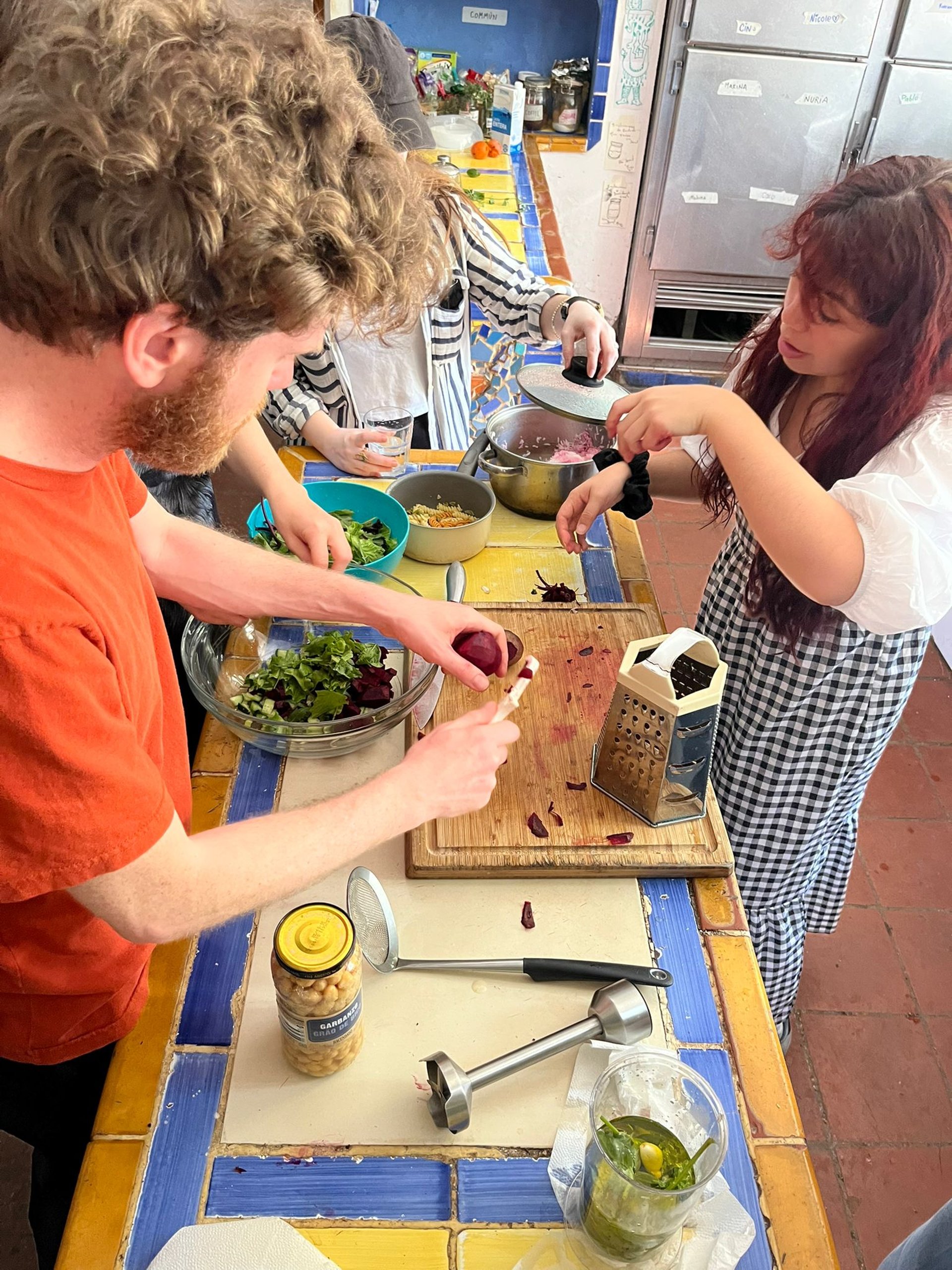
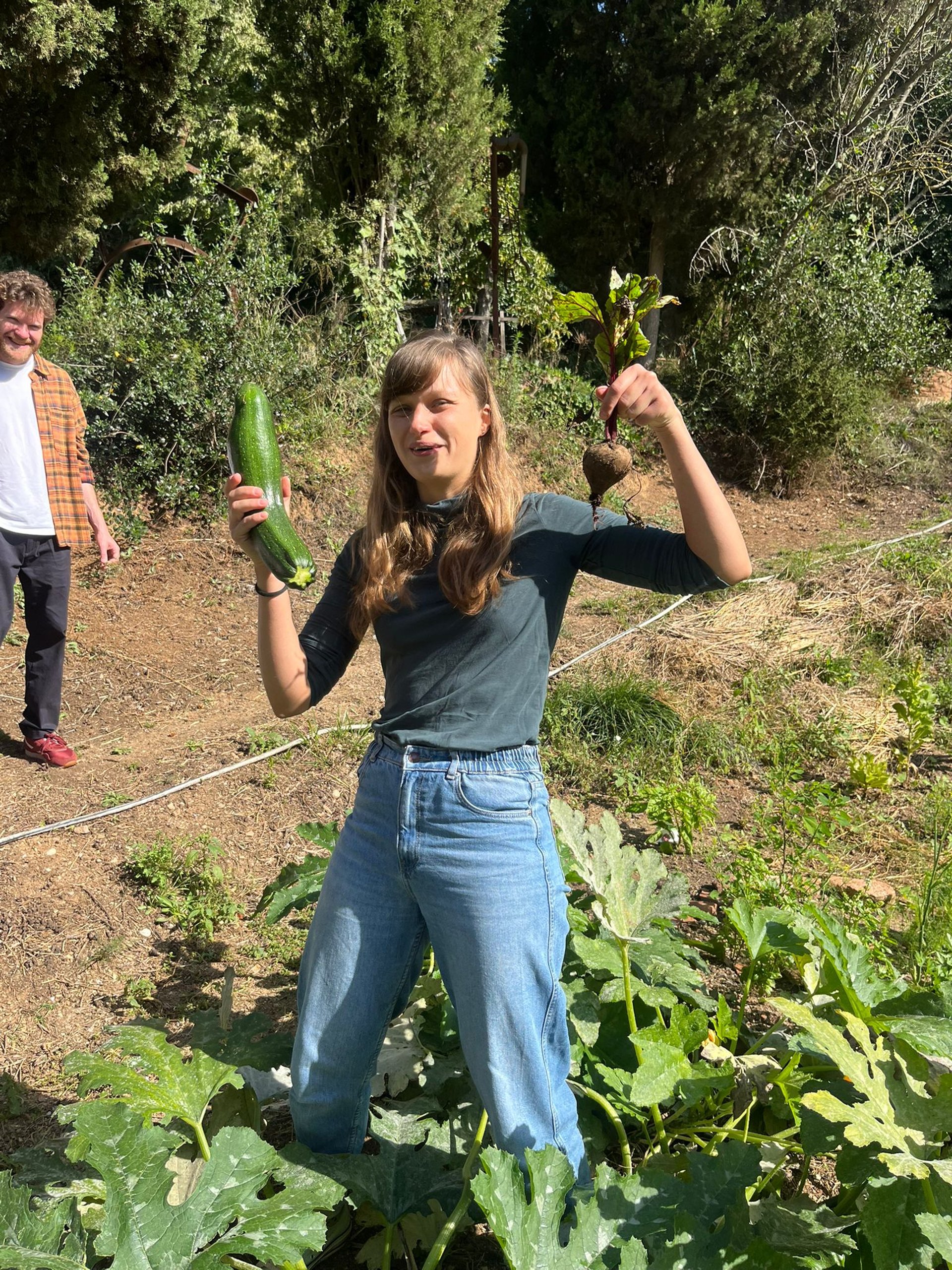
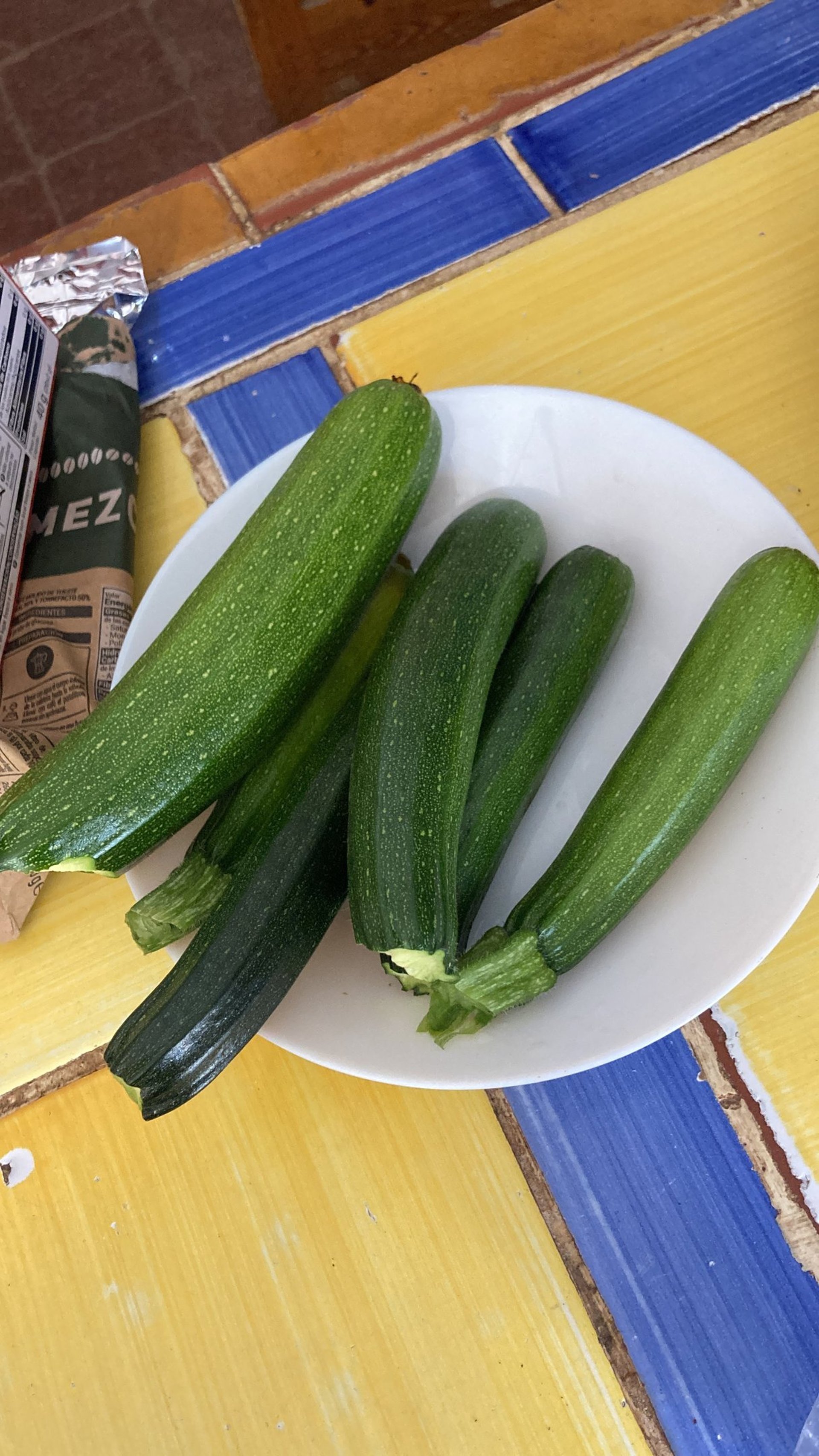
Garden of Tongues is the artistic conceptual framework for the longterm research and maintenance of the land between Can Serrat International Art Residency, Vlada Predelina and Michael McMahon. It seeks to look into the relationship of the human body to the soil both in terms of sustainable agricultural practices and in relation to the larger ecological dialogue. The body is constantly connected to the soil through the food we consume. How does taste dictate what is grown? How does one’s tongue affect the soil? No matter, whether one is a city dweller in an apartment with a fridge containing packaged carrots, or a villager in the countryside picking a carrot from the ground, the tongue will indirectly be touching the soil through the process of eating. We take this image as the idea behind tending to the garden at Can Serrat and using the existing vegetation and fruit trees to cook for and with the residents and the local community of El Bruc and beyond in order to connect their tongues to the soil.
On a practical level this involves garden maintenance, picking and preservation of fruits and herbs, observation and making a vegetable garden, researching gardening and composting techniques, as well as writing and drawing observations.
Project 2025 - ongoing at Can Serrat.